Space telescope
Nancy Grace Roman Space Telescope
A NASA infrared space telescope designed for wide-field surveys of dark energy and exoplanets.
- Type
- Space telescope
- Domain
- Scientific connections
- Connections
- 7
NASA/Goddard Space Flight Center · NASA media (public domain)
- Type: Space telescope
- Domain: Scientific connections
Experience system V6
Space telescope dossier
An observatory-in-space experience for mission context, instruments, wavelength coverage, imagery, and science links.
- 01
Observe
JWST imagery anchors the visual reading with licensed source metadata.
- 02
Measure
Measurement panels use graph coverage, catalog identifiers, and source availability without inventing values.
- 03
Locate
Operated by NASA.
- 04
Connect
7 graph relations shape the knowledge viewport.
- Object type
- Space telescope
- Graph relations
- 7
- Verified sources
- 1
- Image records
- 4
- Domain
- Scientific connections
- Status
- Graph entity
Scientific map
Atlas context
- Operated by
NASA
- Named after
Nancy Grace Roman
- Operated by
Space Telescope Science Institute
- Observes
Near-infrared
Original SVG diagram
Observation system
- Object class
- Space telescope
- Catalog numbers
- Not recorded
- Graph relations
- 7
- Sources
- 1
Visual knowledge graph
Relationships, not isolated facts
This viewport is generated from the Asteria knowledge graph. Science, culture, and interpretive links remain separated by domain so visual context never changes the evidentiary meaning of a relation.
- Member of groupAstrophysics Observatories
- Associated withAtmospheric Retrieval
- ObservesInfrared
- Named afterNancy Grace Roman
- Operated byNASA
- ObservesNear-infrared
- Operated bySpace Telescope Science Institute
Image provenance
Photography as evidence
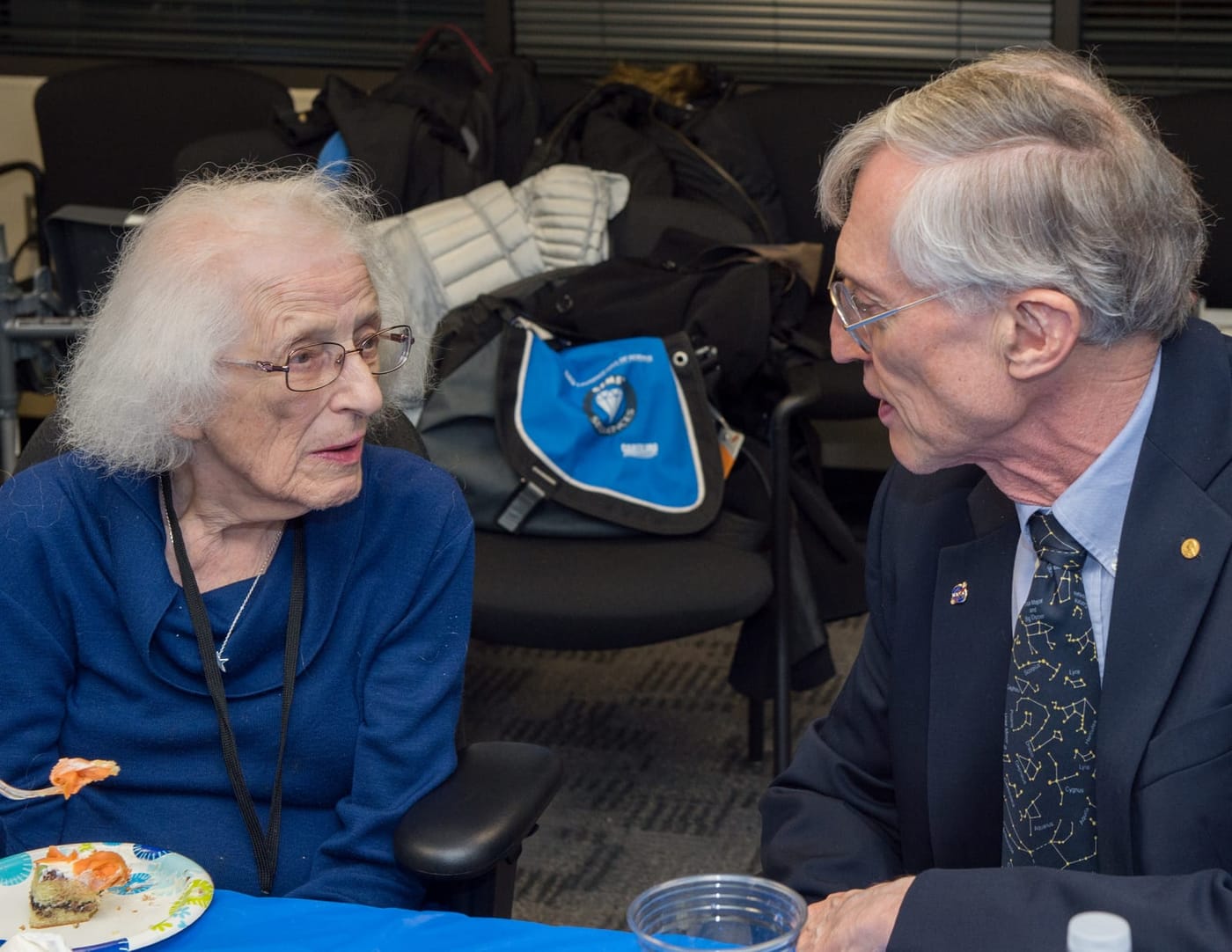
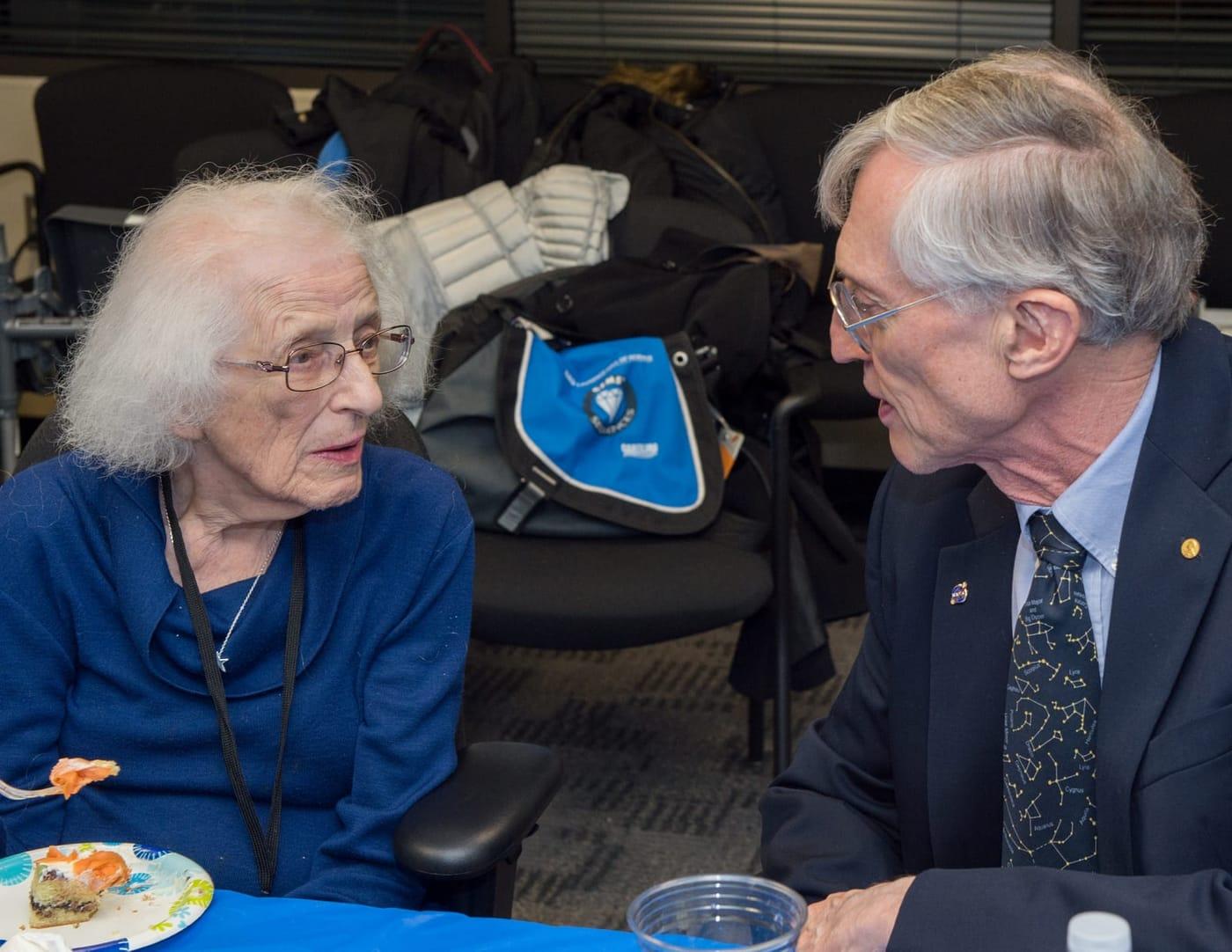
Dr. Nancy Grace Roman visits James Webb Space Telescope (JWST) a
NASA/Goddard Space Flight Center · NASA media (public domain)
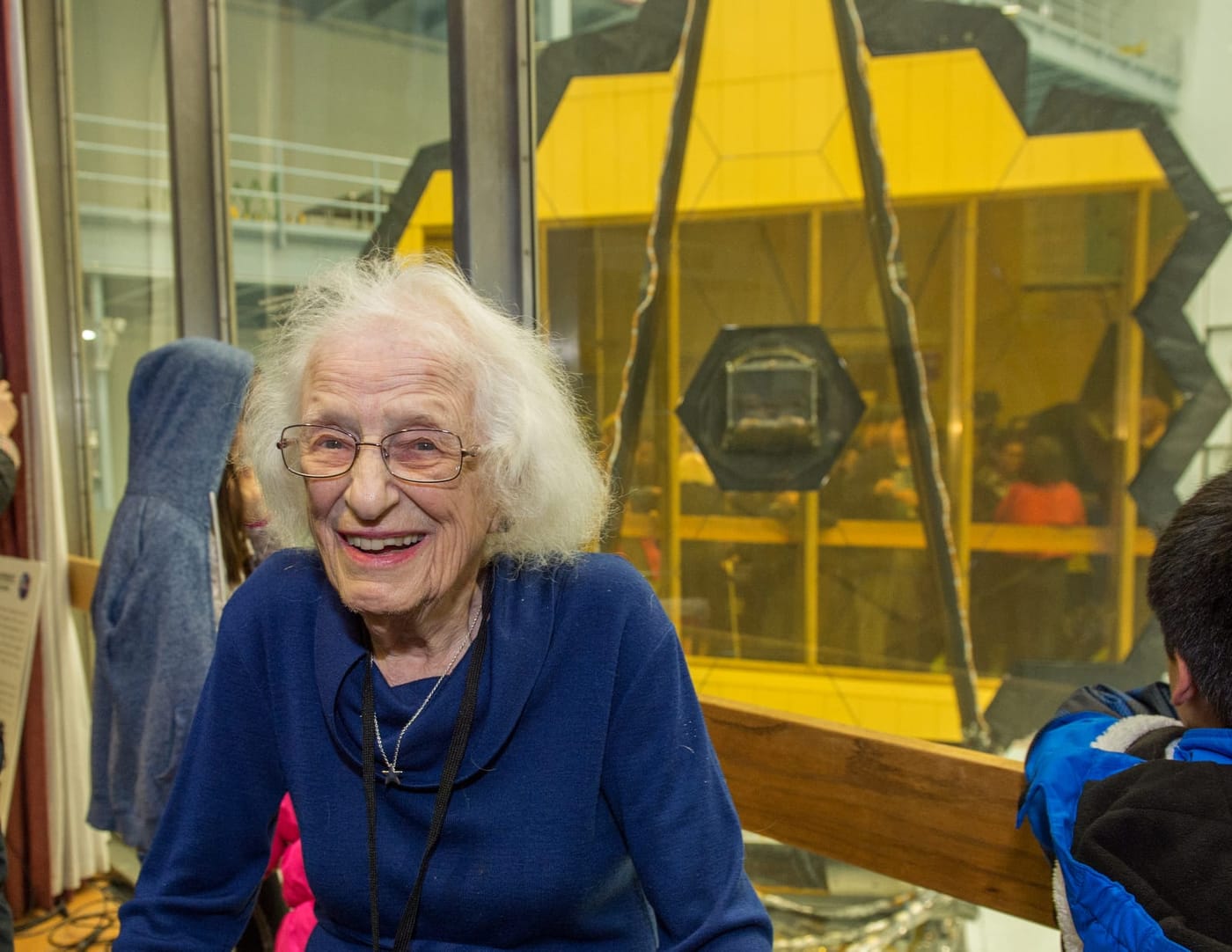
Dr. Nancy Grace Roman visits James Webb Space Telescope (JWST) a
NASA/Goddard Space Flight Center · NASA media (public domain)
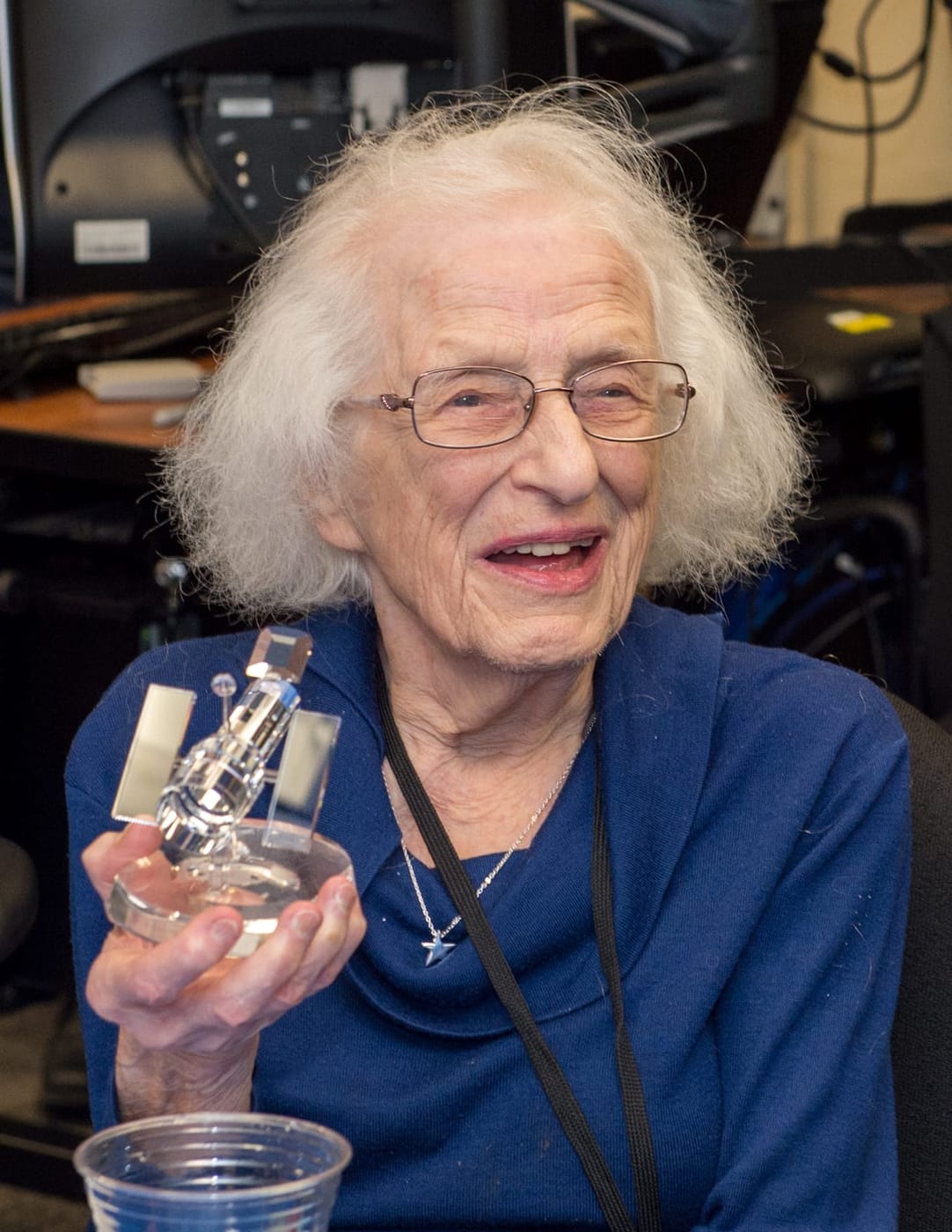
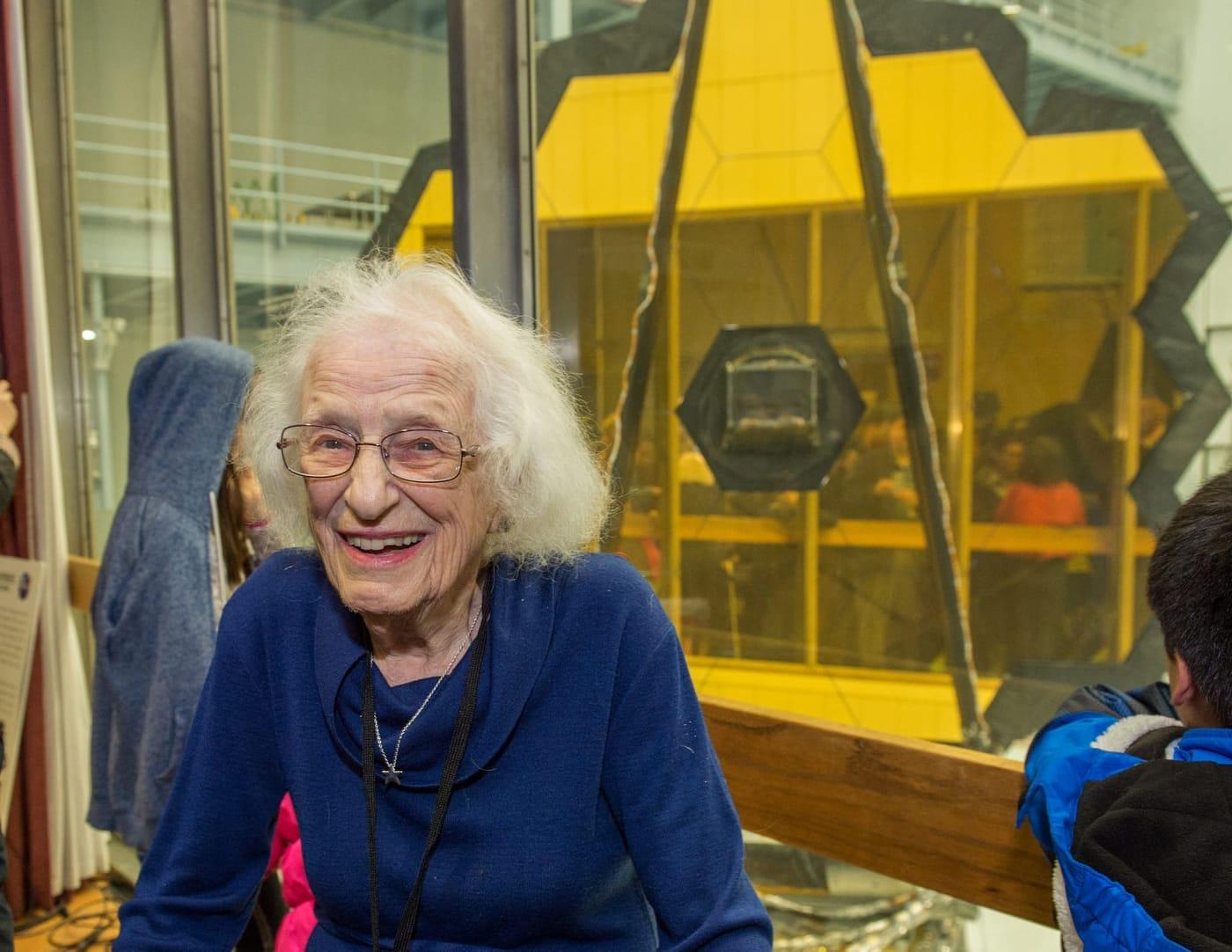
Dr. Nancy Grace Roman visits James Webb Space Telescope (JWST) a
NASA/Goddard Space Flight Center · NASA media (public domain)
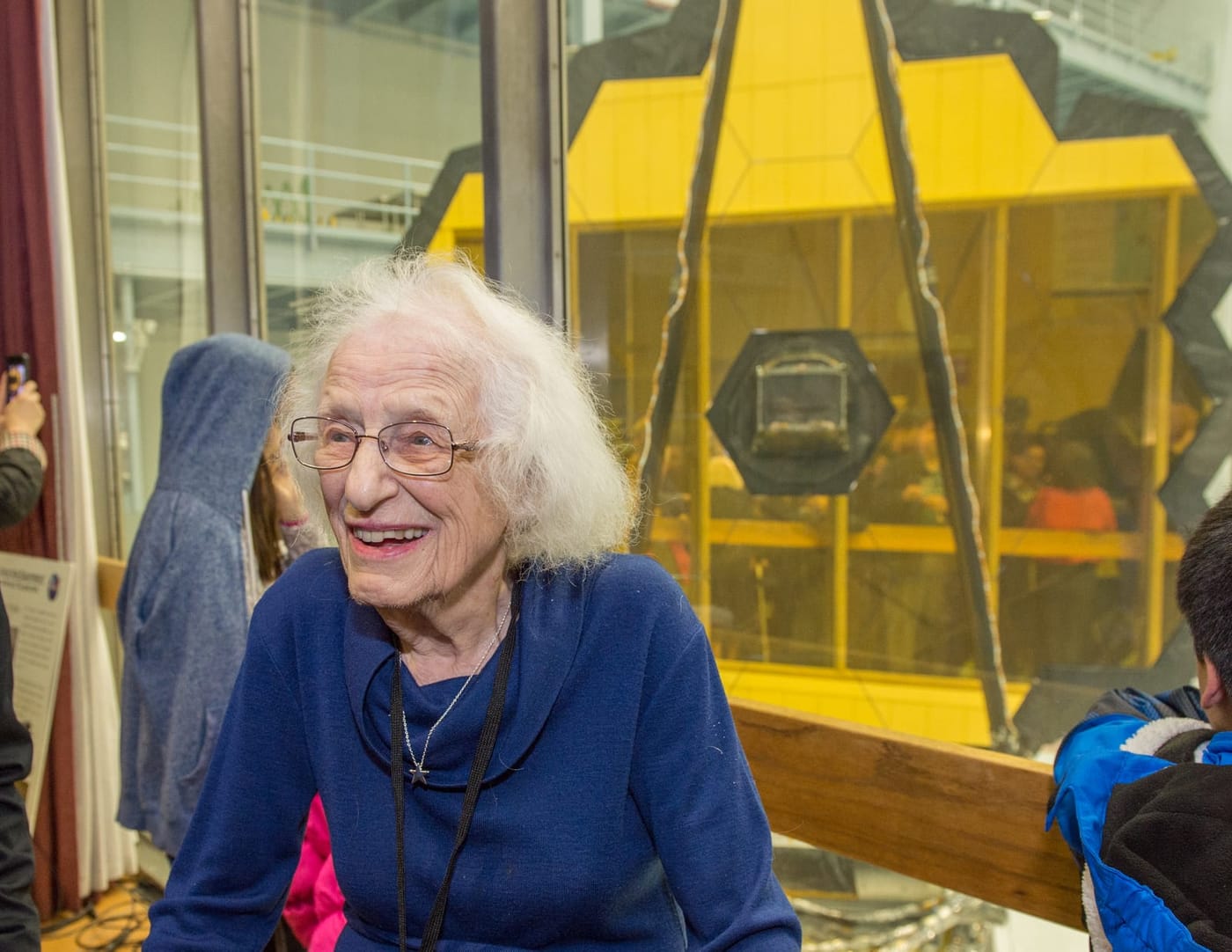
Dr. Nancy Grace Roman visits James Webb Space Telescope (JWST) a
NASA/Goddard Space Flight Center · NASA media (public domain)
Continue the atlas
Curated next objects
NASA
astronomerNancy Grace Roman
An American astronomer and NASA's first chief of astronomy, often called the 'Mother of Hubble' for her role in space-based astronomy.
organizationSpace Telescope Science Institute
STScI conducts the science operations of the Hubble and James Webb space telescopes for NASA.
wavelength bandNear-infrared
The near-infrared bridges visible and thermal infrared light, key for studying the early universe and exoplanet atmospheres.
wavelength bandInfrared
Infrared light penetrates dust and reveals cool objects — forming stars, planets, and distant galaxies.
exploration themeAstrophysics Observatories
The great observatories of the coming decades — surveying dark energy, imaging habitable worlds, and opening the low-frequency gravitational-wave and X-ray skies.
Observation
How this was captured
- Source
- JWST
- Observation date
- 2017-03-31
Gallery
Dr. Nancy Grace Roman visits James Webb Space Telescope (JWST) a
Dr. Nancy Grace Roman visits James Webb Space Telescope (JWST) and the Hubble Project Team.
2017
NASA/Goddard Space Flight Center · NASA media (public domain)
Data
Scientific data & provenance
Data & provenance
- Stable ID
space_telescope:nancy-grace-roman- Type
- Space telescope
- Domain
- Scientific connections
- Relationships
- 7
- Graph version
- 1.0.0
Dataset membership
Open data
In the graph export: graph.json · graph.jsonld
Planned API: GET /api/v0/entities/space_telescope:nancy-grace-roman
Scientific quality
Partial3 of 7 applicable dimensions complete, 1 partial
- Description
- Complete
- Source coverage
- Partial
- Relationship coverage
- Complete
- Review coverage
- None
- Citation coverage
- None
- Image coverage
- Complete
- Timeline coverage
- None
Scientific entity. Dimensions that cannot apply to this object are excluded rather than counted as gaps. See the evidence framework and authority dashboard.
You might also explore
- Space telescopeJames Webb Space TelescopeLinked through NASA
- Space telescopeHubble Space TelescopeLinked through NASA
- Mission conceptHabitable Worlds ObservatoryLinked through NASA
- Space telescopeEuclidLinked through NASA
- Space telescopeSpitzer Space TelescopeLinked through NASA
- Exoplanet-science conceptAtmospheric Metallicity & C/O RatioLinked through Atmospheric Retrieval
Sources & references
The primary and reference sources this topic draws on.
- NASANational Aeronautics and Space Administration
Mission data, planetary science, space telescopes, and public-domain imagery.
Most NASA-produced imagery is in the public domain; individual items are checked for usage terms before publication.