Astronomy · Space Telescopes
Chandra X-ray Observatory
NASA's window onto the high-energy X-ray universe.
- Type
- X-ray telescope
- Agency
- NASA
- Studies
- Hot gas, black holes, supernova remnants
- Named after
- Astrophysicist Subrahmanyan Chandrasekhar
NASA/Marshall · NASA media (public domain)
Gallery
History of Chandra X-Ray Observatory
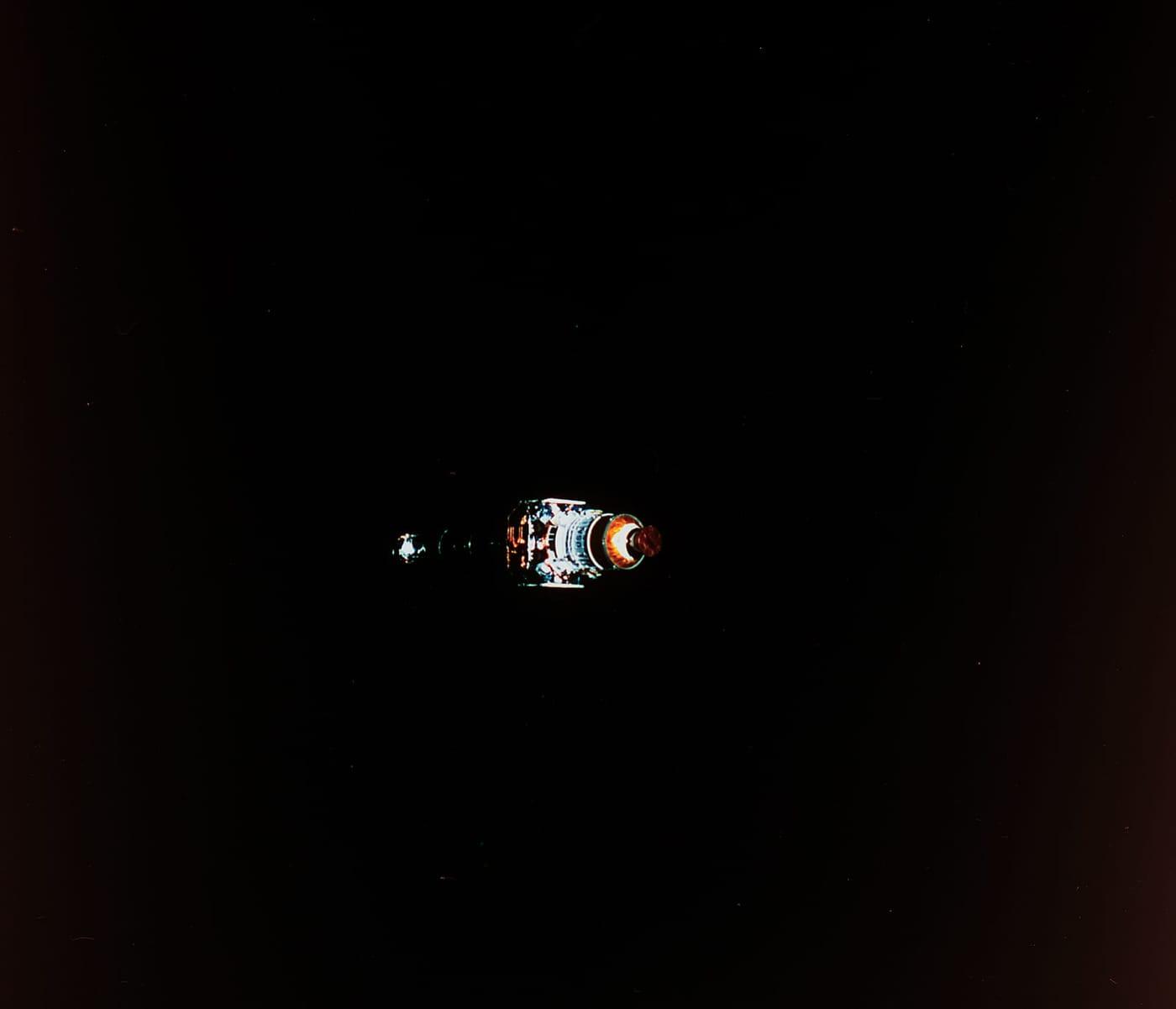
NASA’s Chandra X-Ray Observatory (CXO) was launched July 22, 1999 aboard the Space Shuttle Columbia, STS-93 mission.
2004
NASA/Marshall · NASA media (public domain)
Seeing in X-rays
The Chandra X-ray Observatory detects X-ray light, which is produced by some of the hottest and most violent processes in the universe. Earth's atmosphere blocks X-rays, so this work must be done from orbit.
The high-energy universe
Chandra studies material falling toward black holes, the glowing remnants of supernovae, and vast clouds of hot gas in galaxy clusters — phenomena largely invisible to optical telescopes.
A named observatory
Chandra is named for Subrahmanyan Chandrasekhar, whose theoretical work helped explain the fate of dying stars, including the formation of white dwarfs and the limits that lead to black holes.
Knowledge connections
How this connects across Asteria Star — scientific, cultural, and astrological links are kept separate.
Scientific connections
- Associated withHEASARC
Observational connections
- StudiesSagittarius A*
- ObservesX-ray
- ObservedCrab Nebula
Mission connections
- Operated byNASA
- Operated bySmithsonian Astrophysical Observatory
Discovery connections
- Named afterSubrahmanyan Chandrasekhar
Related entries
You might also explore
- Space telescopeHinodeLinked through NASA
- Space telescopeHubble Space TelescopeLinked through NASA
- Astrophysical objectBlack HoleLinked through Subrahmanyan Chandrasekhar
- Station moduleDestinyLinked through NASA
- Station moduleQuestLinked through NASA
- Open-science practiceThe ADS Literature ServiceLinked through NASA