Astronomy · Stars
Betelgeuse
The red supergiant on Orion's shoulder.
- Constellation
- Orion
- Type
- Red supergiant
- Color
- Distinctly reddish-orange
- Variability
- Semiregular variable (brightness changes over time)
NASA/JPL/Cornell · NASA media (public domain)
Gallery
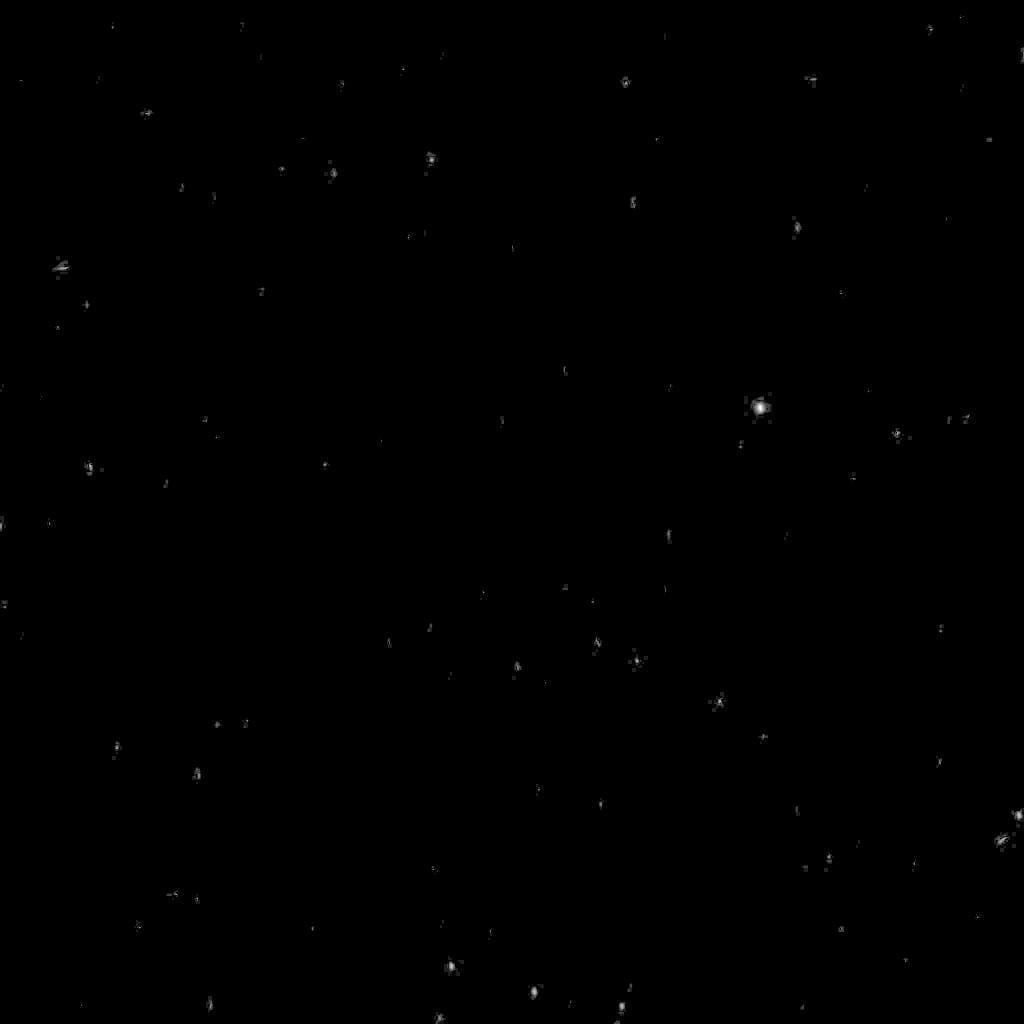
Jupiter Ring, With Orion
As NASA's Juno spacecraft flew through the narrow gap between Jupiter's radiation belts and the planet during its first science flyby, Perijove 1, on August 27, 2016, the Stellar Reference Unit (SRU-1) star camera colle…
2017
NASA/JPL-Caltech/SwRI · NASA media (public domain)
A swollen, dying star
Betelgeuse is a red supergiant: a massive star that has exhausted the hydrogen in its core, swollen enormously, and cooled at the surface to a reddish glow. Its radius is so large that, placed at the Sun's position, it would engulf the inner Solar System.
A changing brightness
Betelgeuse is a semiregular variable star — its brightness rises and falls as the star pulsates and sheds material. A pronounced dimming drew wide attention before the star recovered, a reminder that supergiants are restless rather than steady.
Its future as a supernova
As a massive star in a late stage of life, Betelgeuse is expected to end as a core-collapse supernova. On human timescales it is unpredictable, and could be tens of thousands of years away; the explosion would pose no danger to Earth but would be a spectacular sight.
Knowledge connections
How this connects across Asteria Star — scientific, cultural, and astrological links are kept separate.
Scientific connections
- Belongs toOrion
- Associated withStellar Mass Loss
- Associated withAll-Sky Star Atlas