Understanding Meteors & Meteorites
The small bodies that reach the ground — how meteors become meteorites, how they are classified, where they come from, and the fireballs and craters they leave behind. Built on real Meteoritical Bulletin data that reuses the platform's asteroids, impact events, and meteor showers; nothing is fabricated.
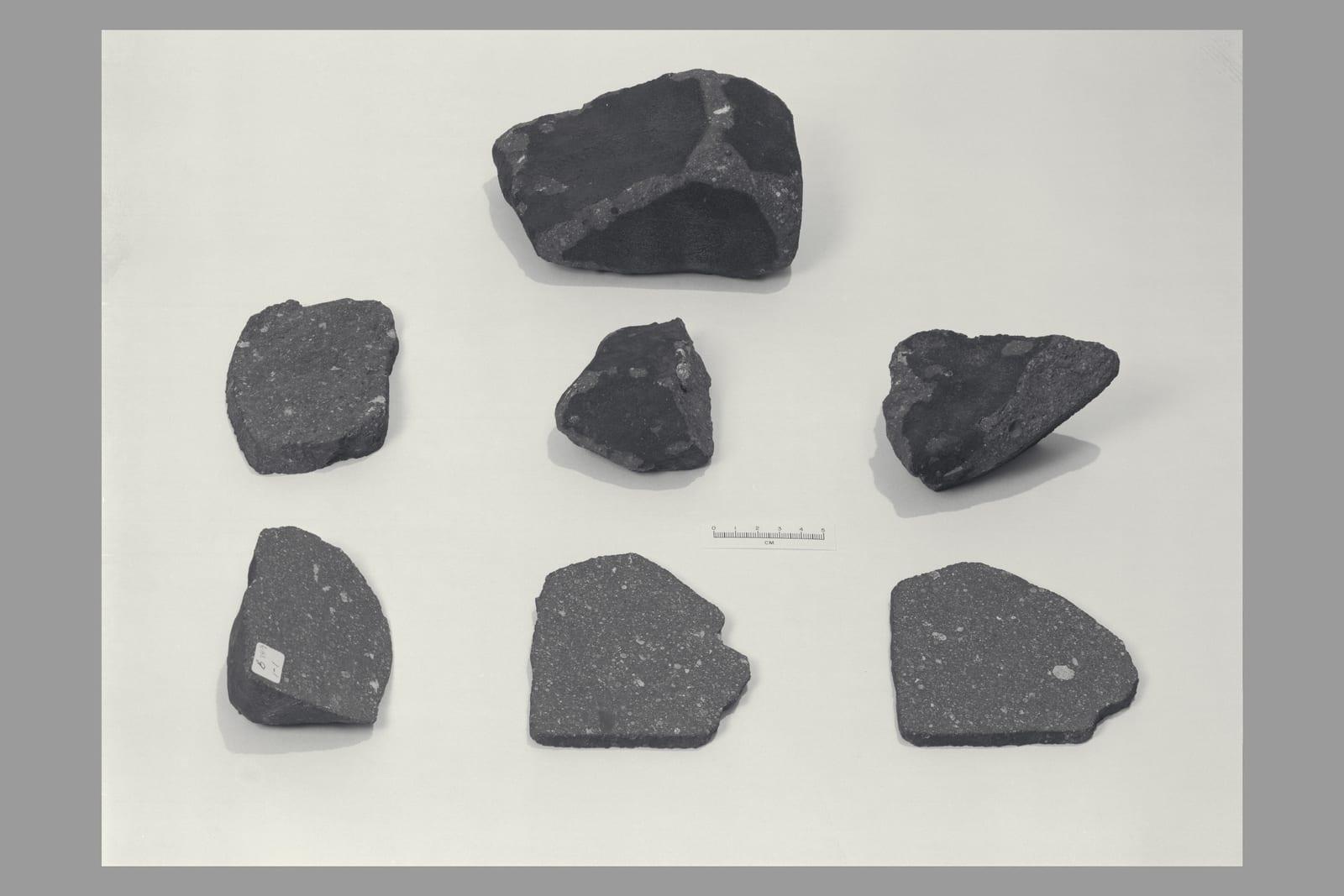
- 1.1Meteors, meteoroids, and meteoritesThe difference between a shooting star, the rock in space, and the piece that lands.
- 1.2Falls and findsMeteorites seen to fall versus those discovered later on the ground.
- 1.3Meteorite classificationThe four great classes: chondrites, achondrites, irons, and stony-irons.
- 1.4The largest meteoritesFrom the ~60-tonne Hoba iron to the great strewn fields.
- 2.1Carbonaceous chondritesPrimitive, water- and organic-rich meteorites carrying the ingredients of life.
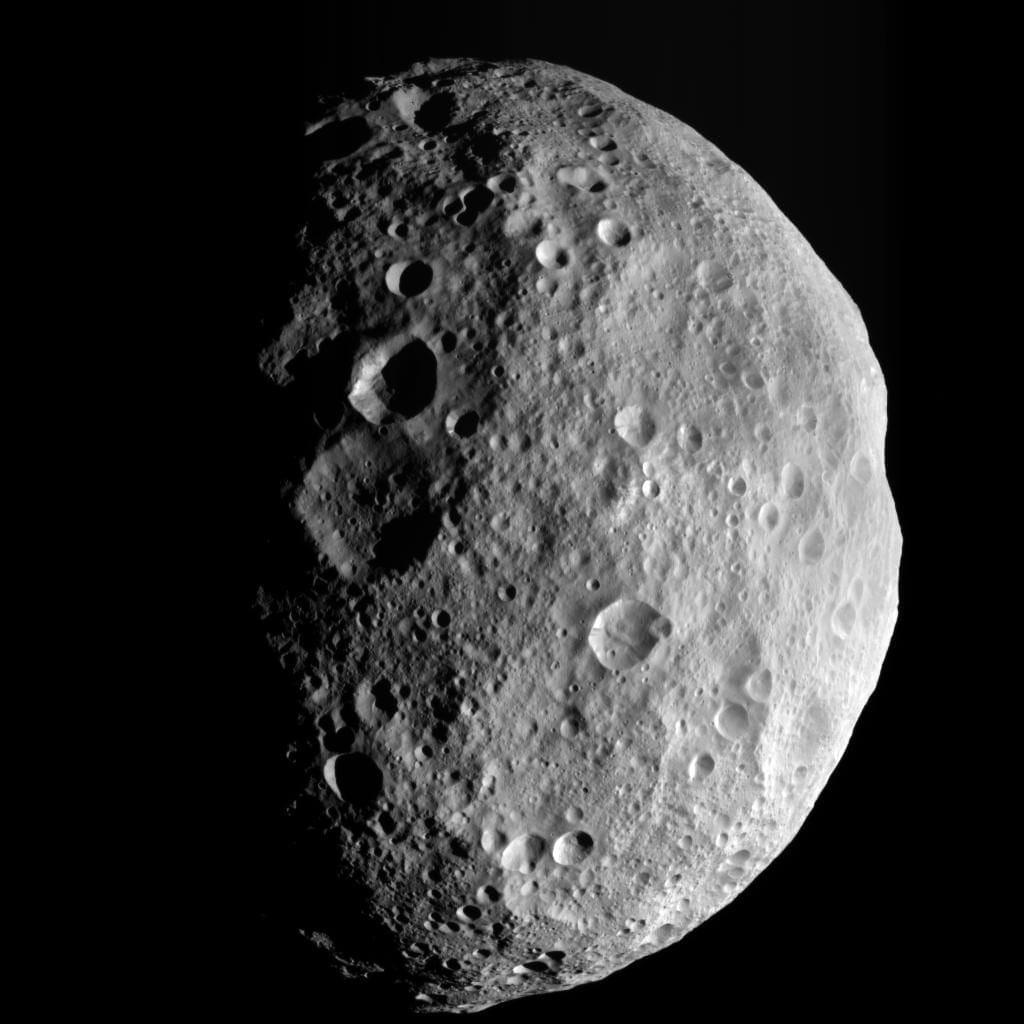
- 2.2Meteorites from VestaThe HED achondrites, matched to the asteroid Vesta's crust.
- 2.3Martian and lunar meteoritesRocks blasted off Mars and the Moon and delivered to Earth for free.
- 2.4Iron and stony-iron meteoritesFragments of the metallic cores of shattered asteroids.
- 3.1Fireballs and bolidesThe bright entries and airbursts — Peekskill, Chelyabinsk, the Bering Sea.
- 3.2Impact structuresThe craters left on Earth, from young Meteor Crater to ancient Vredefort.
- 3.3Meteor showers and their parentsHow comet and asteroid debris streams light up the sky each year.
- 3.4Impact hazard and planetary defenseWhy we track the near-Earth objects that could reach the ground.
Related entities
- Meteorite
Allende
The largest carbonaceous chondrite found on Earth, which fell in 1969 and became the most-studied meteorite in history — its calcium–aluminium inclusions are among the oldest solid material in the Solar System.
- Meteorite group
HED Meteorites
The howardite–eucrite–diogenite clan of basaltic achondrites, whose spectra match the asteroid Vesta so closely that they are considered pieces of its crust, delivered to Earth after impacts.
- Meteorite class
Chondrites
The most common meteorites: primitive, undifferentiated stony rocks that preserve material from the birth of the Solar System, subdivided into carbonaceous, ordinary, and enstatite groups.
- Asteroid
4 Vesta
One of the largest objects in the asteroid belt, visited by NASA's Dawn.