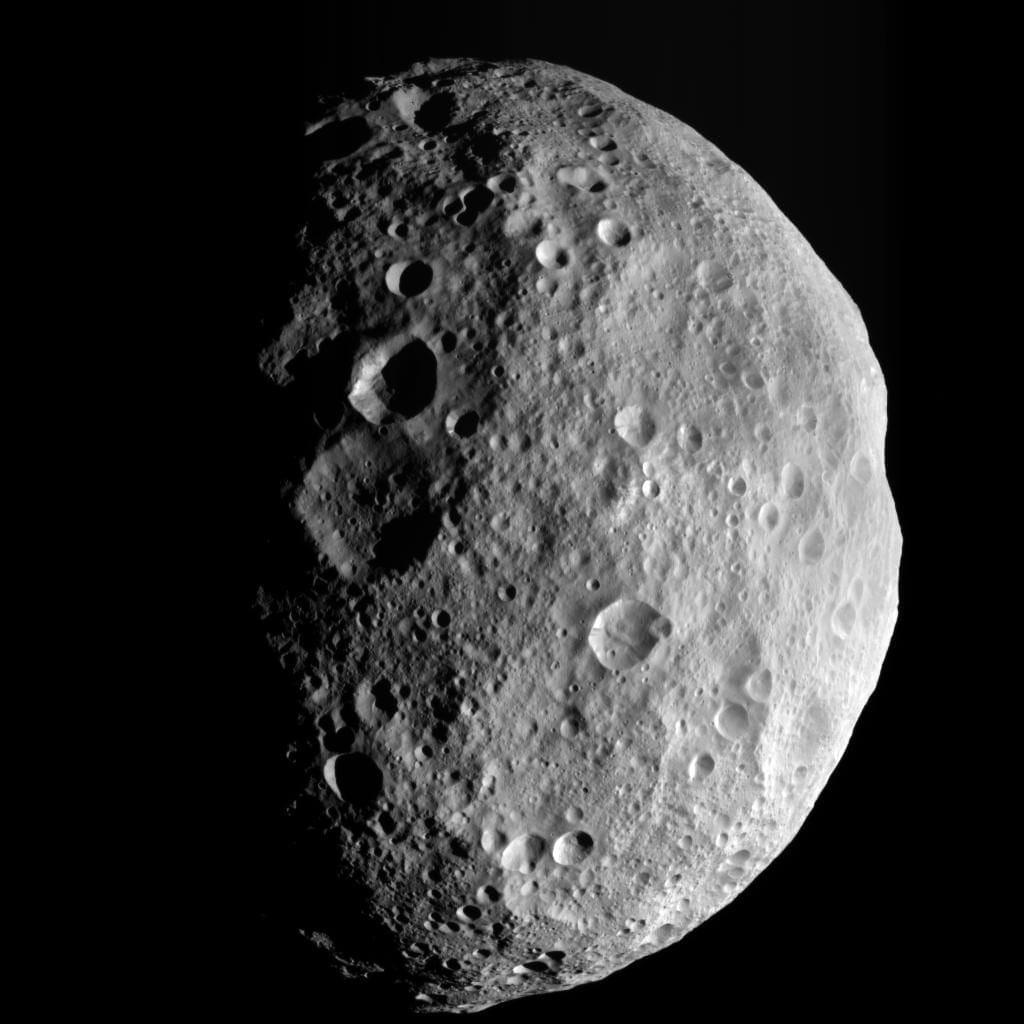
Asteroid
4 Vesta
One of the largest objects in the asteroid belt, visited by NASA's Dawn.
- Type
- Asteroid
- Domain
- Scientific connections
- Connections
- 11
NASA/JPL-Caltech/UCLA/MPS/DLR/IDA · NASA media (public domain)
- Type: Asteroid
- Domain: Scientific connections
Orbit & physical parameters
Osculating orbit and physical parameters from the NASA JPL Small-Body Database · Main-belt Asteroid · epoch 2026-06-09 (JD 2461200.5 TDB) · Earth MOID 1.13603 au
| Semi-major axis | 2.361366 ± 1.5328e-9 au | NASA JPL · calculated |
| Eccentricity | 0.090204 ± 2.2909e-10 | NASA JPL · calculated |
| Perihelion distance | 2.148362 ± 1.9335e-9 au | NASA JPL · calculated |
| Aphelion distance | 2.57437 ± 1.6711e-9 au | NASA JPL · calculated |
| Inclination | 7.143926 ± 2.1704e-7 deg | NASA JPL · calculated |
| Longitude of ascending node | 103.701293 ± 3.8827e-7 deg | NASA JPL · calculated |
| Argument of perihelion | 151.468648 ± 1.8814e-7 deg | NASA JPL · calculated |
| Orbital period | 1,325 ± 1.2905e-6 d | NASA JPL · calculated |
| Diameter | 522.77 ± 0.1 km | NASA JPL · catalogued |
| Geometric albedo | 0.4228 ± 0.053 | NASA JPL · estimated |
| Rotation period | 5.342128 ± 4.0000e-10 h | NASA JPL · catalogued |
| Absolute magnitude (H) | 3.25 mag | NASA JPL · catalogued |
Full field-level provenance
- Semi-major axis: Jet Propulsion Laboratory / Solar System Dynamics · JPL SBDB · orbit.elements · a · JPL orbit determination (least-squares fit to the observation arc) · calculated · JPL solution by Davide Farnocchia, 9451 obs · retrieved 2026-07-11
- Eccentricity: Jet Propulsion Laboratory / Solar System Dynamics · JPL SBDB · orbit.elements · e · JPL orbit determination (least-squares fit to the observation arc) · calculated · JPL solution by Davide Farnocchia, 9451 obs · retrieved 2026-07-11
- Perihelion distance: Jet Propulsion Laboratory / Solar System Dynamics · JPL SBDB · orbit.elements · q · JPL orbit determination (least-squares fit to the observation arc) · calculated · JPL solution by Davide Farnocchia, 9451 obs · retrieved 2026-07-11
- Aphelion distance: Jet Propulsion Laboratory / Solar System Dynamics · JPL SBDB · orbit.elements · ad · JPL orbit determination (least-squares fit to the observation arc) · calculated · JPL solution by Davide Farnocchia, 9451 obs · retrieved 2026-07-11
- Inclination: Jet Propulsion Laboratory / Solar System Dynamics · JPL SBDB · orbit.elements · i · JPL orbit determination (least-squares fit to the observation arc) · calculated · JPL solution by Davide Farnocchia, 9451 obs · retrieved 2026-07-11
- Longitude of ascending node: Jet Propulsion Laboratory / Solar System Dynamics · JPL SBDB · orbit.elements · om · JPL orbit determination (least-squares fit to the observation arc) · calculated · JPL solution by Davide Farnocchia, 9451 obs · retrieved 2026-07-11
- Argument of perihelion: Jet Propulsion Laboratory / Solar System Dynamics · JPL SBDB · orbit.elements · w · JPL orbit determination (least-squares fit to the observation arc) · calculated · JPL solution by Davide Farnocchia, 9451 obs · retrieved 2026-07-11
- Orbital period: Jet Propulsion Laboratory / Solar System Dynamics · JPL SBDB · orbit.elements · per · JPL orbit determination (least-squares fit to the observation arc) · calculated · JPL solution by Davide Farnocchia, 9451 obs · retrieved 2026-07-11
- Diameter: Jet Propulsion Laboratory / Solar System Dynamics · JPL SBDB · phys_par · phys.diameter · catalogued value · JPL solution by Davide Farnocchia, 9451 obs · retrieved 2026-07-11
- Geometric albedo: Jet Propulsion Laboratory / Solar System Dynamics · JPL SBDB · phys_par · phys.albedo · Bayesian estimate · JPL solution by Davide Farnocchia, 9451 obs · retrieved 2026-07-11
- Rotation period: Jet Propulsion Laboratory / Solar System Dynamics · JPL SBDB · phys_par · phys.rot_per · catalogued value · JPL solution by Davide Farnocchia, 9451 obs · retrieved 2026-07-11
- Absolute magnitude (H): Jet Propulsion Laboratory / Solar System Dynamics · JPL SBDB · phys_par · phys.H · catalogued value · JPL solution by Davide Farnocchia, 9451 obs · retrieved 2026-07-11
Orbital elements are a calculated JPL orbit-determination fit, all referred to the single osculating epoch above (solution by Davide Farnocchia); each carries its own uncertainty. Fields the database did not provide are omitted, never invented.
Experience system V6
Small-body profile
A catalog-first story for orbit class, discovery, physical parameters, and planetary-defense context when recorded.
- 01
Observe
NASA imagery anchors the visual reading with licensed source metadata.
- 02
Measure
Numerical fields come from the typed Solar System catalog and are omitted when not available.
- 03
Locate
Part of Solar System.
- 04
Connect
11 graph relations shape the knowledge viewport.
- Object type
- Asteroid
- Graph relations
- 11
- Verified sources
- 2
- Image records
- 4
- Domain
- Scientific connections
- Status
- Graph entity
Scientific map
Orbit context
- Primary orbital anchor
- The Sun
- Measured orbit field
- Orbital distance not recorded in this graph record
Original SVG diagram
Small-body anatomy
- Designation
- (4) Vesta
- Discovery
- Heinrich Olbers, 1807
- Eccentricity
- Not recorded
- Inclination
- Not recorded
Visual knowledge graph
Relationships, not isolated facts
This viewport is generated from the Asteria knowledge graph. Science, culture, and interpretive links remain separated by domain so visual context never changes the evidentiary meaning of a relation.
- TargetsDawn
- Target ofDawn
- Visited byDawn
- Orbited byDawn
- Parent body ofHED Meteorites
- Member of groupMain Asteroid Belt
- Parent body ofMillbillillie
- Has featureRheasilvia
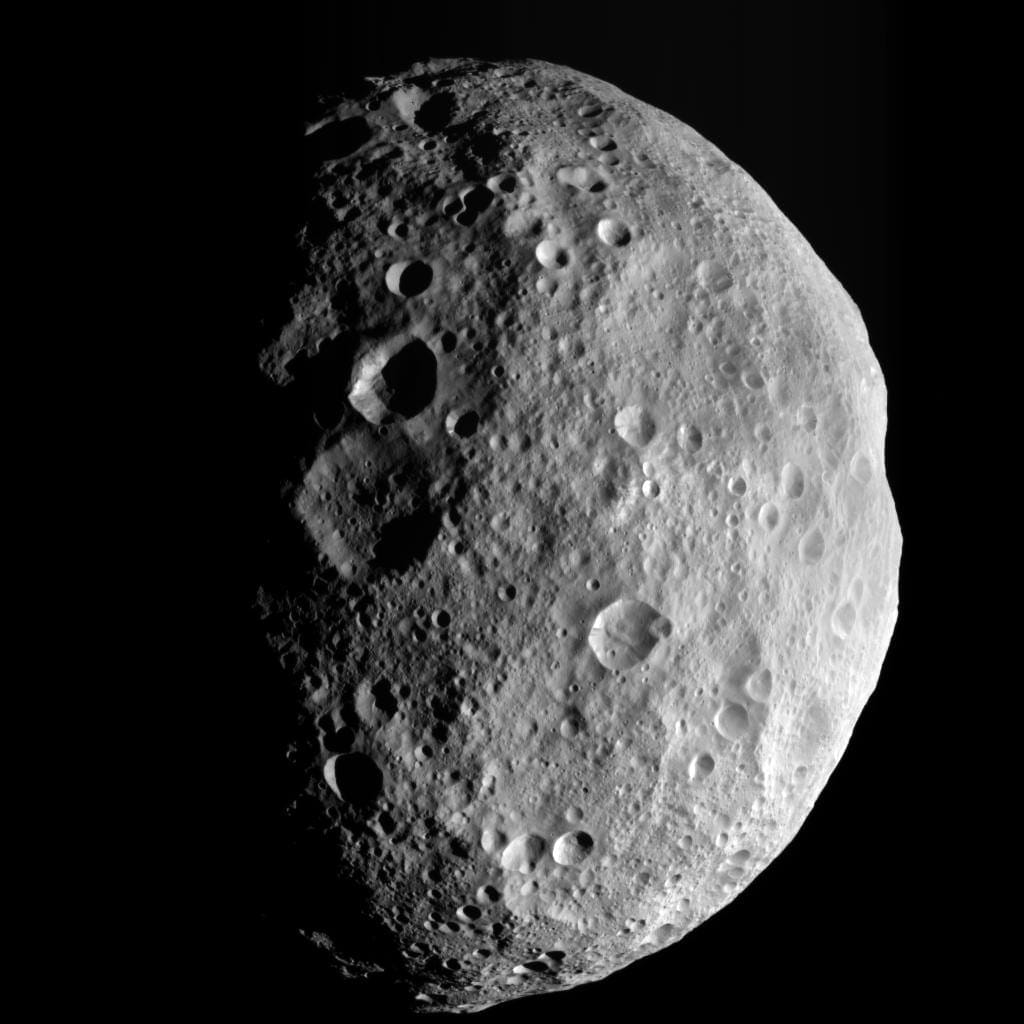
Image provenance
Photography as evidence
Continue the atlas
Curated next objects
Solar System
The Sun and the bodies gravitationally bound to it.
space missionDawn
Vesta & Ceres orbiter · NASA · launched 2007.
asteroid familyVesta family (Vestoids)
Basaltic fragments blasted from the giant south-polar impact basin of 4 Vesta — the source of the HED meteorites found on Earth.
minor planet groupMain Asteroid Belt
The main asteroid belt between Mars and Jupiter, home to the great majority of known asteroids — from the dwarf planet Ceres down to countless small bodies.
meteoriteMillbillillie
A eucrite whose fall was witnessed in October 1960 (the stones recovered in the following years) — one of the HED meteorites, basaltic rocks blasted from the surface of the asteroid Vesta, whose spectra they match.
meteorite groupHED Meteorites
The howardite–eucrite–diogenite clan of basaltic achondrites, whose spectra match the asteroid Vesta so closely that they are considered pieces of its crust, delivered to Earth after impacts.
Observation
How this was captured
- Source
- NASA
- Observation date
- 2012-09-05
Gallery
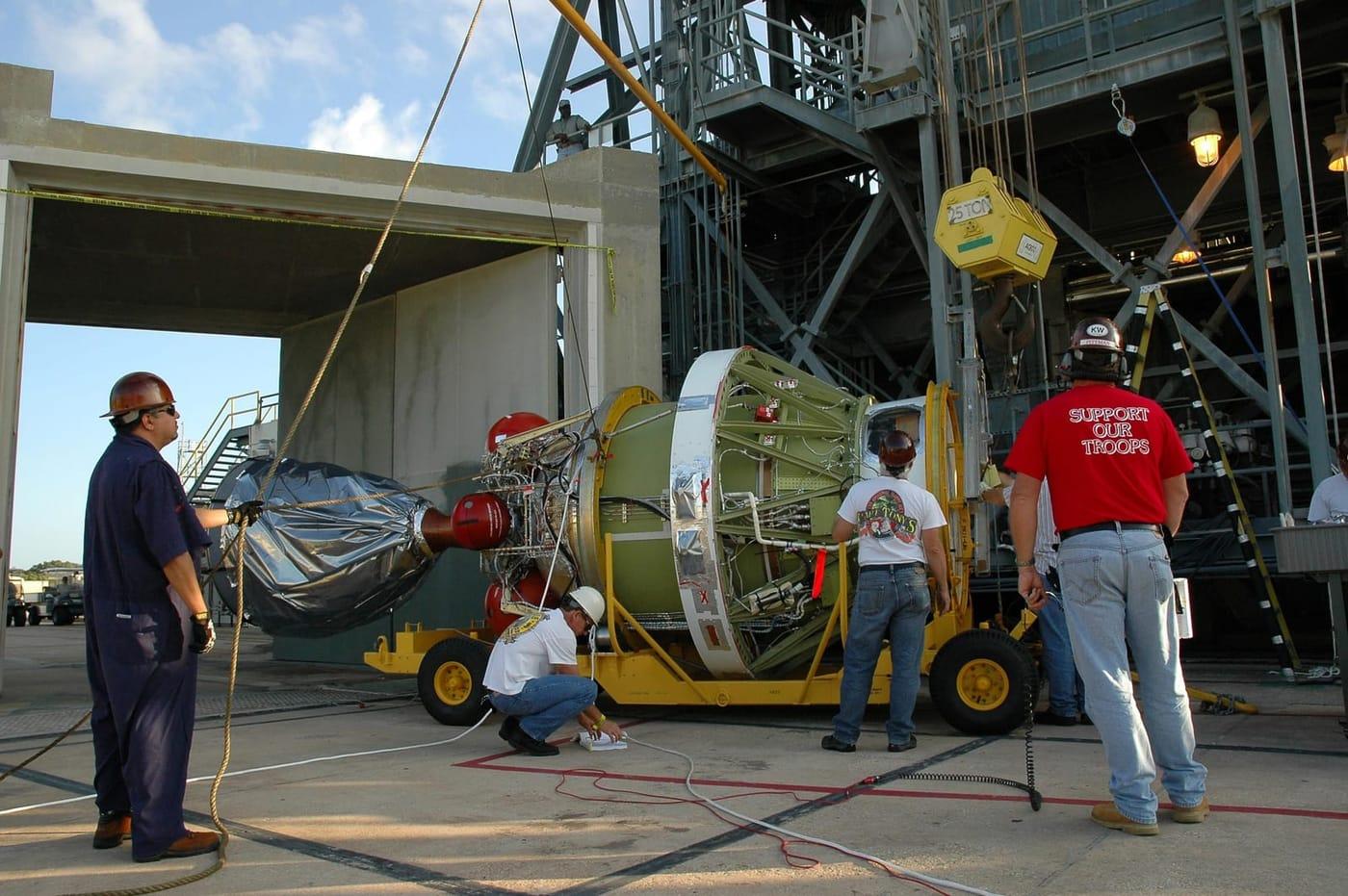
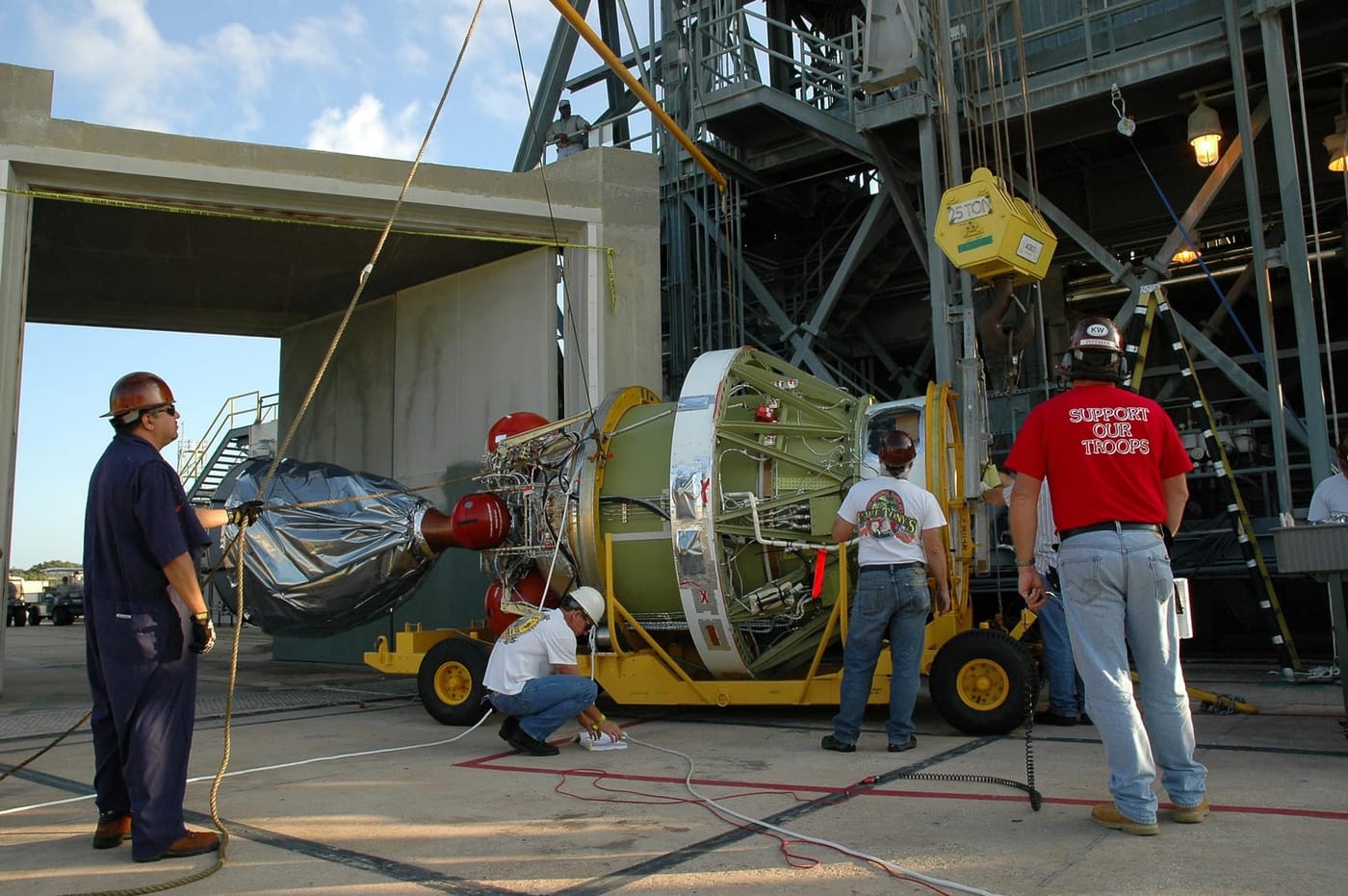
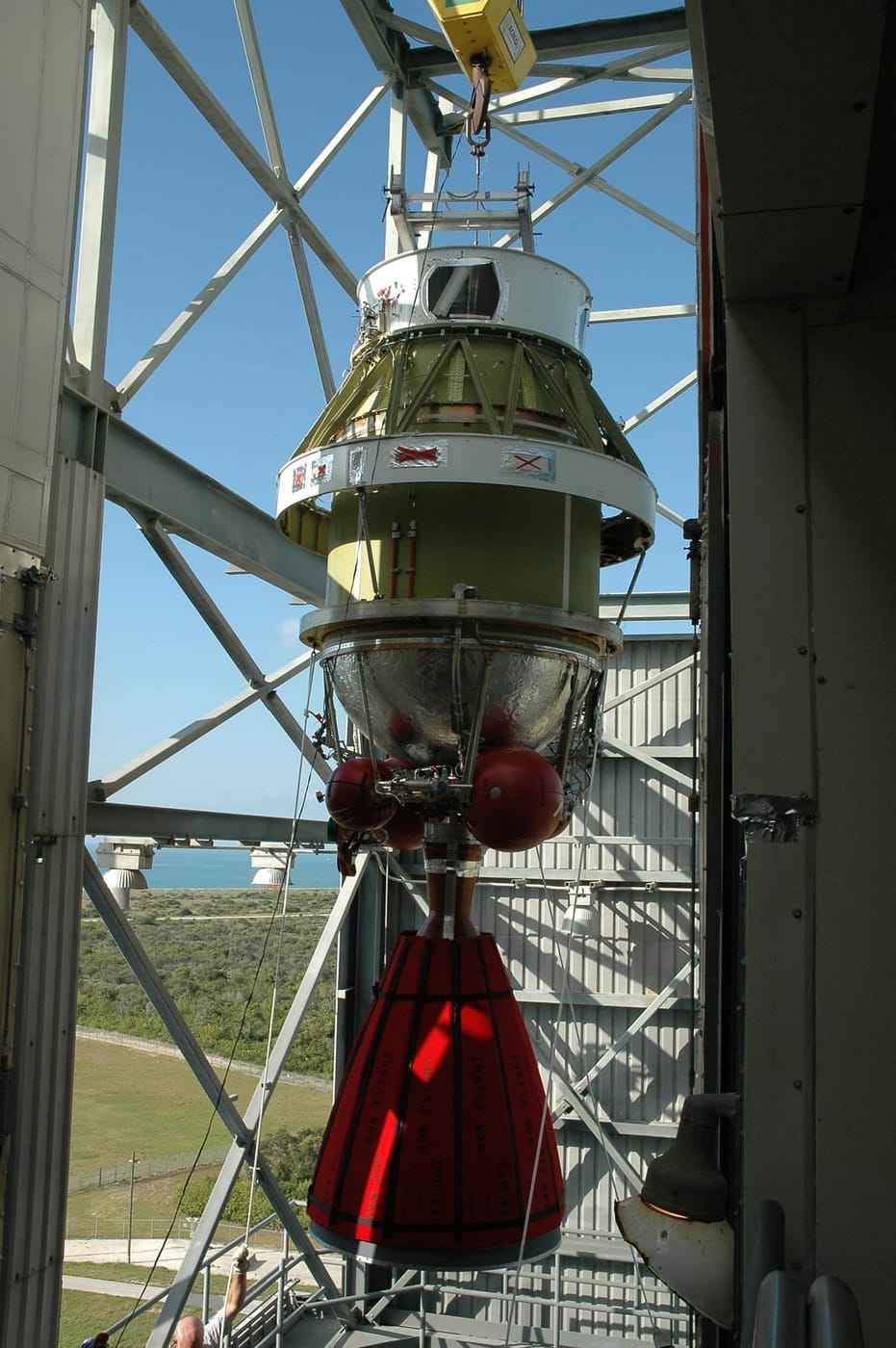
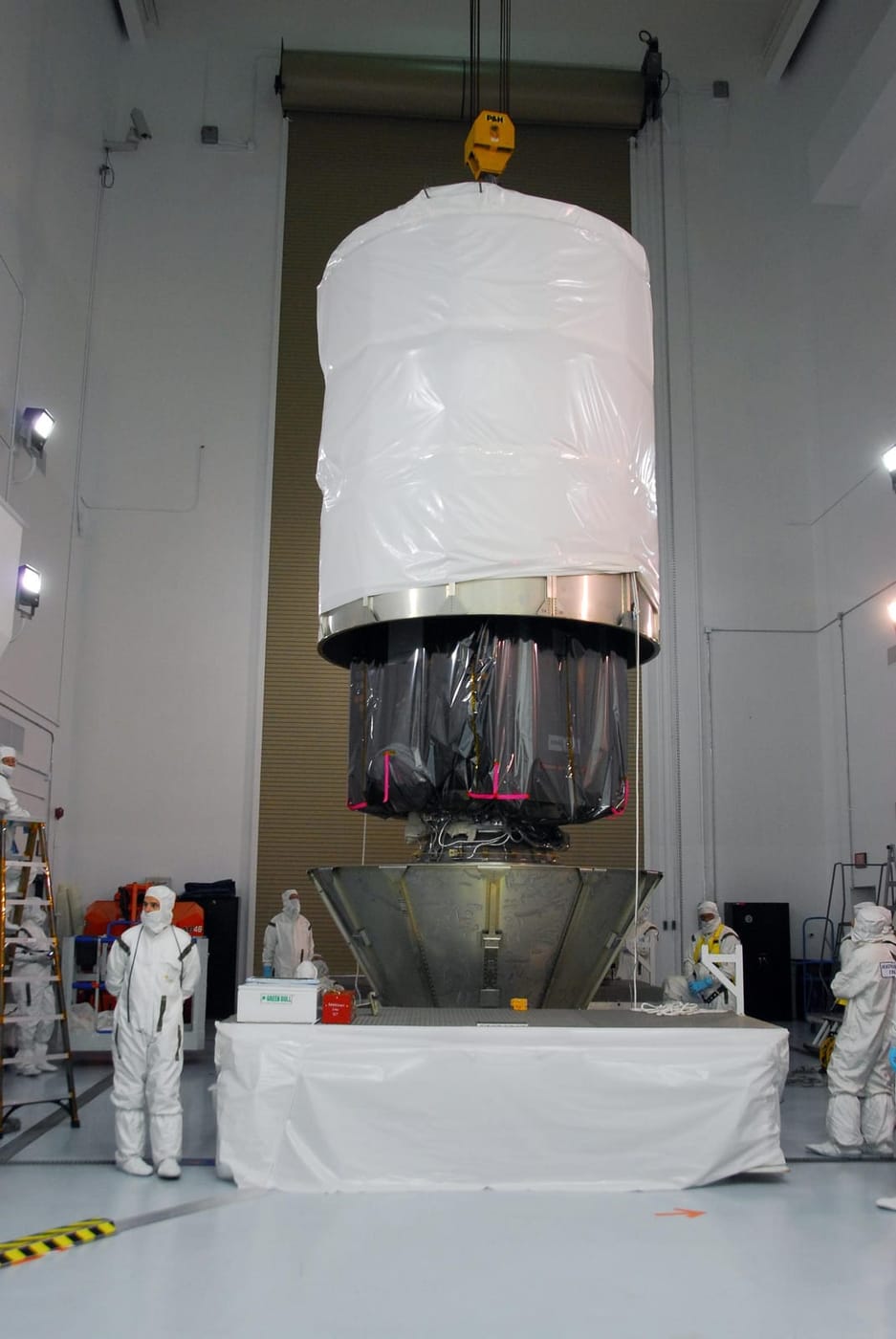
KSC-07pd1513
KENNEDY SPACE CENTER, FLA. -- On Launch Pad 17-B at Cape Canaveral Air Force Station, the second stage of the Delta II launch vehicle for the Dawn spacecraft arrives at the upper level of the mobile service tower. It wi…
2007
NASA/Kennedy · NASA media (public domain)
Data
Scientific data & provenance
Data & provenance
- Stable ID
asteroid:vesta- Type
- Asteroid
- Domain
- Scientific connections
- Relationships
- 11
- Graph version
- 1.0.0
Dataset membership
Open data
In the graph export: graph.json · graph.jsonld
Planned API: GET /api/v0/entities/asteroid:vesta
Scientific quality
Substantial4 of 6 applicable dimensions complete
- Description
- Complete
- Source coverage
- Complete
- Relationship coverage
- Complete
- Review coverage
- None
- Citation coverage
- None
- Image coverage
- Complete
- Timeline coverage
- Not applicable
Scientific entity. Dimensions that cannot apply to this object are excluded rather than counted as gaps. See the evidence framework and authority dashboard.
Scientific citations
2Real, source-backed references — primary papers first, then datasets and institutional sources. Formatted through the citation engine; nothing is fabricated.
- Archive page4 Vesta — JPL Small-Body Database
NASA JPL (Caltech)
Cite (APA / BibTeX)
NASA JPL (Caltech) (n.d.). 4 Vesta — JPL Small-Body Database. NASA JPL (Caltech). https://ssd.jpl.nasa.gov/tools/sbdb_lookup.html @misc{cite:jpl-asteroid-vesta, title = {4 Vesta — JPL Small-Body Database}, organization = {NASA JPL (Caltech)}, year = {n.d.}, url = {https://ssd.jpl.nasa.gov/tools/sbdb_lookup.html}, note = {Orbit and physical data for 4 Vesta.} } - Institutional page4 Vesta — NASA Science
NASA
Cite (APA / BibTeX)
NASA (n.d.). 4 Vesta — NASA Science. NASA. https://science.nasa.gov/

@misc{cite:nasa-asteroid-vesta,
  title        = {4 Vesta — NASA Science},
  organization = {NASA},
  year         = {n.d.},
  url          = {https://science.nasa.gov/},
  note         = {NASA overview of 4 Vesta.}
}
You might also explore
Sources & references
The primary and reference sources this topic draws on.
- NASANational Aeronautics and Space Administration
Mission data, planetary science, space telescopes, and public-domain imagery.
Most NASA-produced imagery is in the public domain; individual items are checked for usage terms before publication.
- NASA JPLJet Propulsion Laboratory / Solar System Dynamics
Orbital data, ephemerides, and small-body parameters for planets, asteroids, and comets.