Space mission
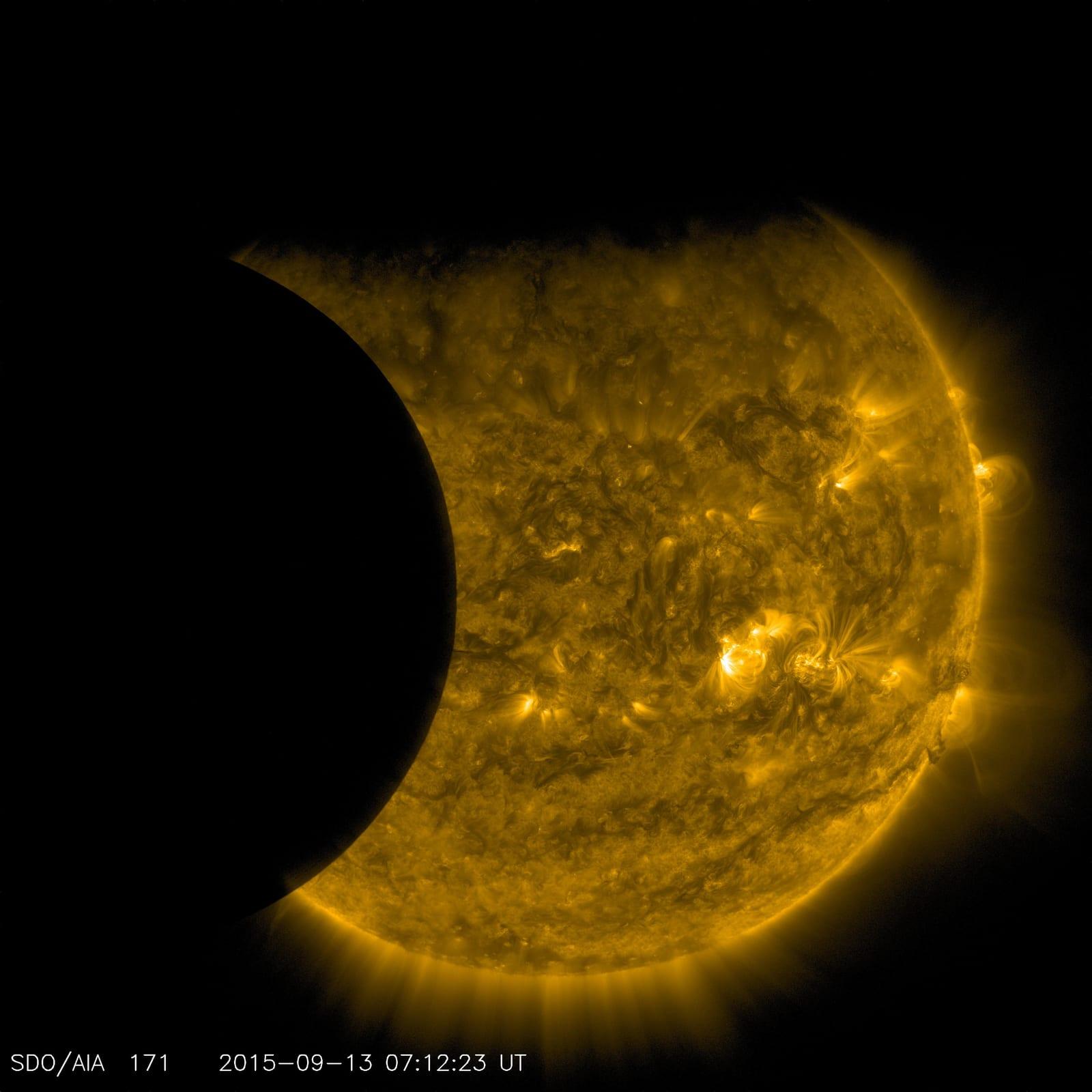
SDO (Solar Dynamics Observatory)
A NASA mission that images the Sun in many ultraviolet wavelengths at high cadence, studying solar activity, flares, and the magnetic field that drives space weather.
- Type
- Space mission
- Domain
- Scientific connections
- Connections
- 1
NASA/GSFC/Solar Dynamics Observatory · NASA media (public domain)
- Type: Space mission
- Domain: Scientific connections
Experience system V6
Mission dossier
A mission-story layout that emphasizes target bodies, spacecraft, timeline, agency, and evidence-backed status.
- 01
Observe
NASA imagery anchors the visual reading with licensed source metadata.
- 02
Measure
Measurement panels use graph coverage, catalog identifiers, and source availability without inventing values.
- 03
Locate
Observes Solar Flare.
- 04
Connect
1 graph relation shape the knowledge viewport.
- Object type
- Space mission
- Graph relations
- 1
- Verified sources
- 1
- Image records
- 4
- Domain
- Scientific connections
- Status
- Graph entity
Scientific map
Mission context
- Observes
Solar Flare
Original SVG diagram
Mission architecture
- Agency
- Not recorded
- Launch year
- Not recorded
- Mission type
- Not recorded
- Status
- Not recorded
Visual knowledge graph
Relationships, not isolated facts
This viewport is generated from the Asteria knowledge graph. Science, culture, and interpretive links remain separated by domain so visual context never changes the evidentiary meaning of a relation.
- ObservesSolar Flare
Image provenance
Photography as evidence
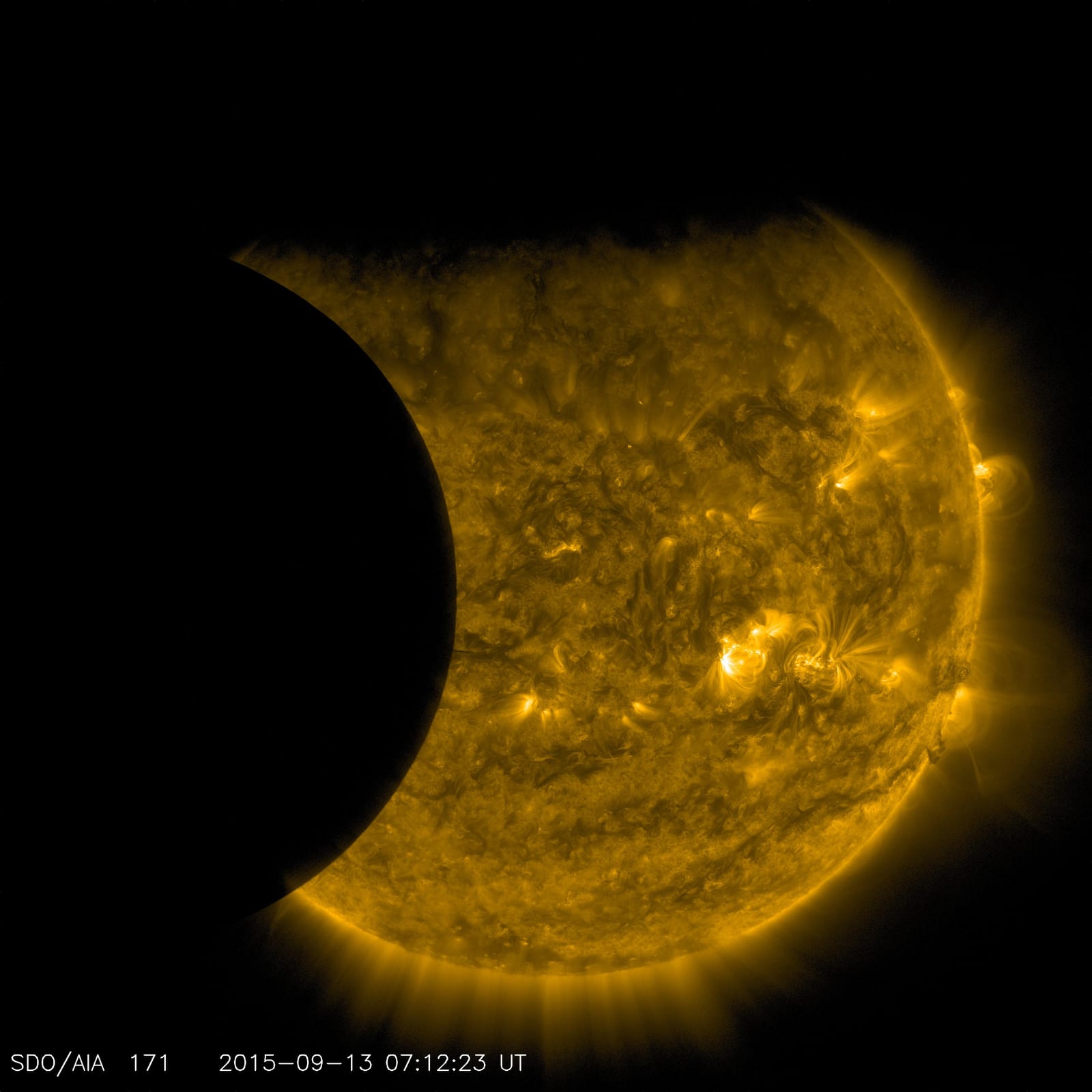
SDO Transit, September 2015
NASA/GSFC/Solar Dynamics Observatory · NASA media (public domain)
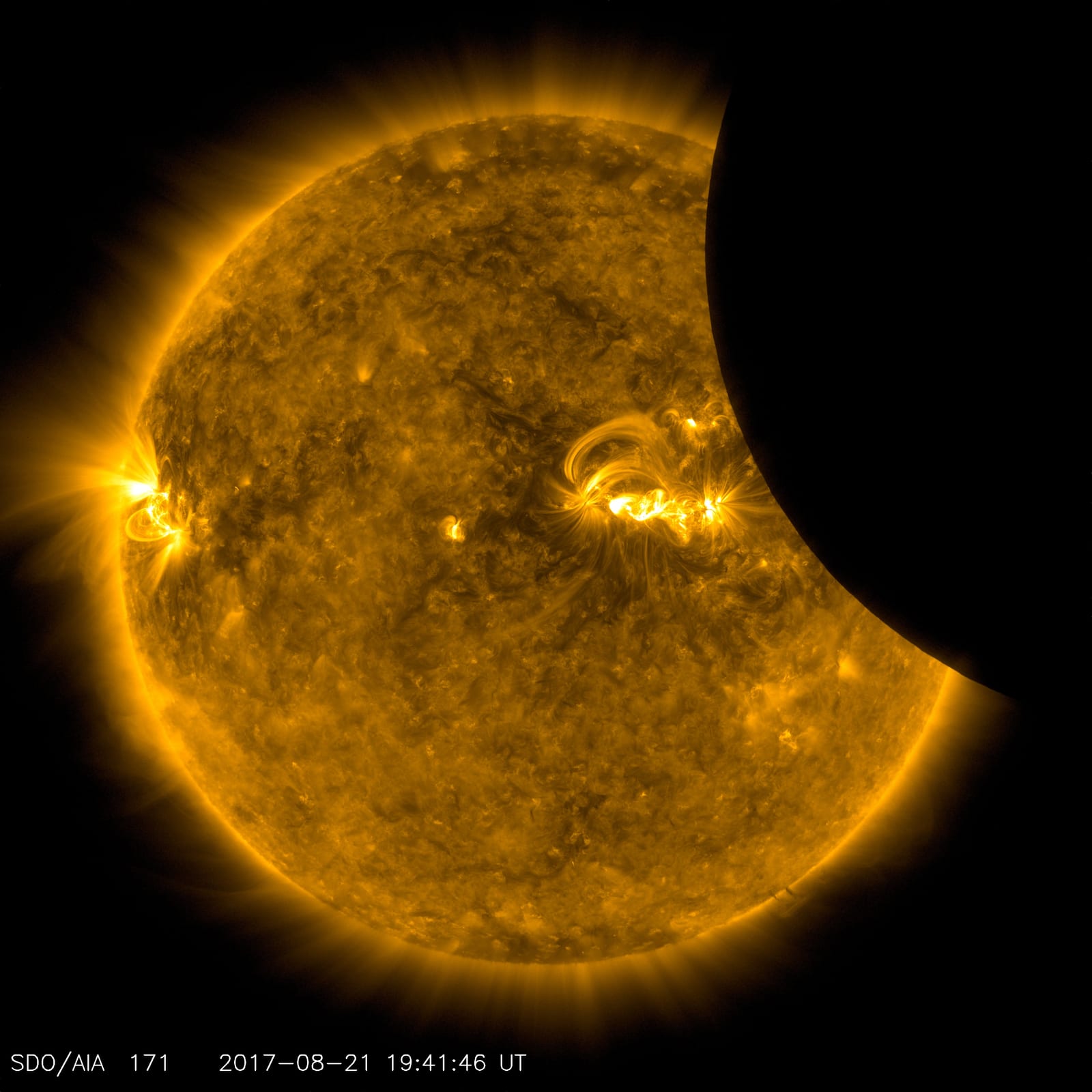
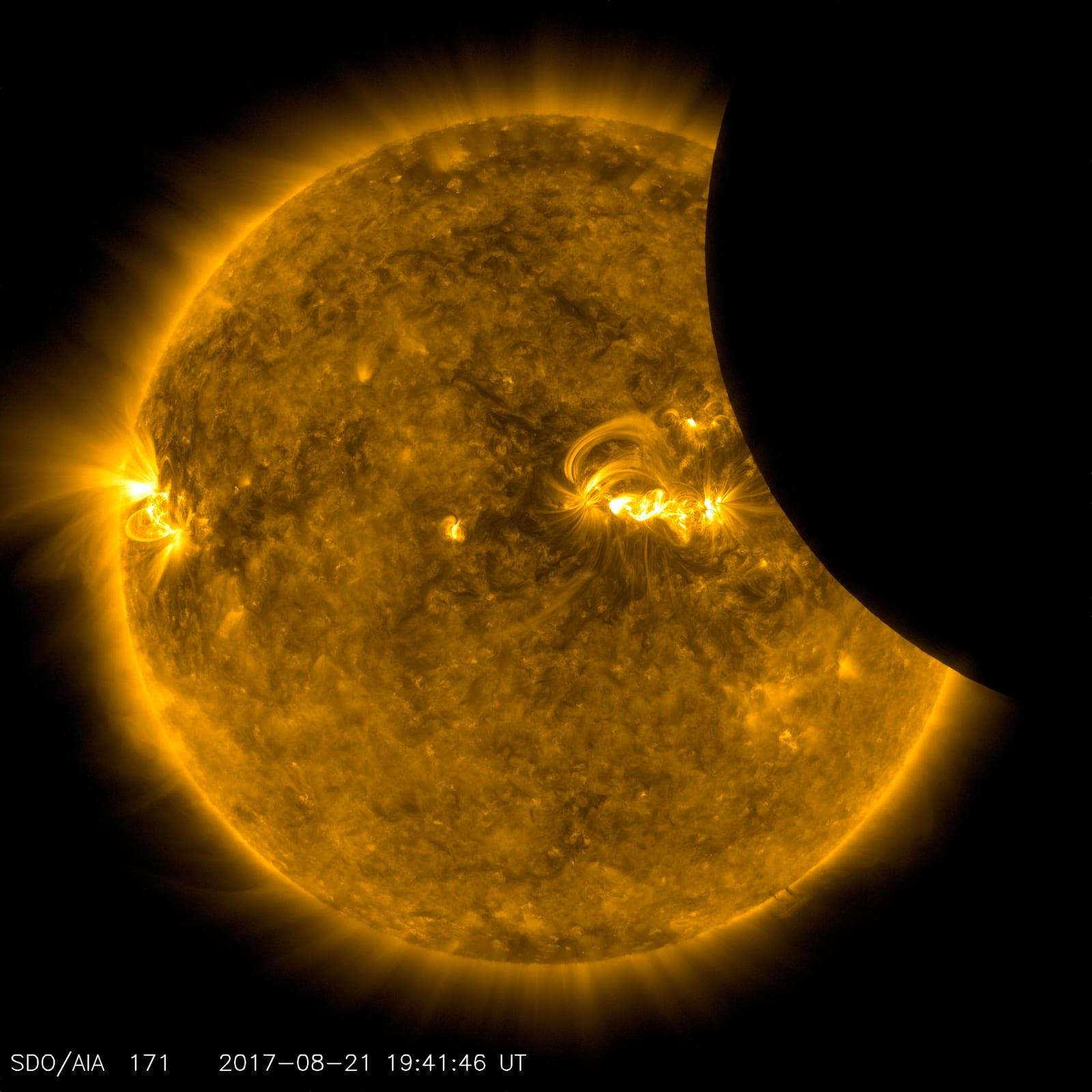
SDO Sees Solar Eclipse
NASA/Goddard Space Flight Center · NASA media (public domain)
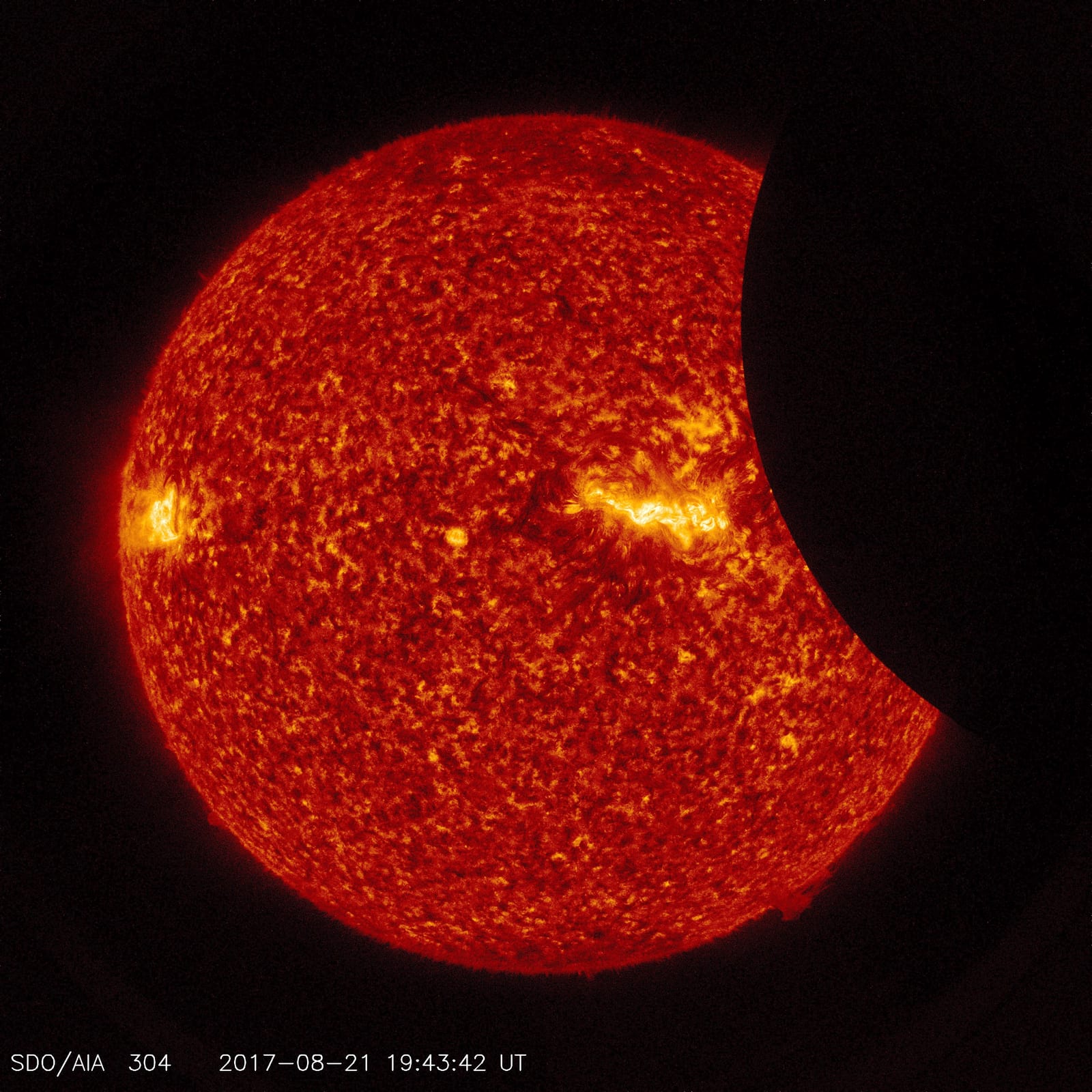
SDO Sees Solar Eclipse
NASA/Goddard Space Flight Center · NASA media (public domain)
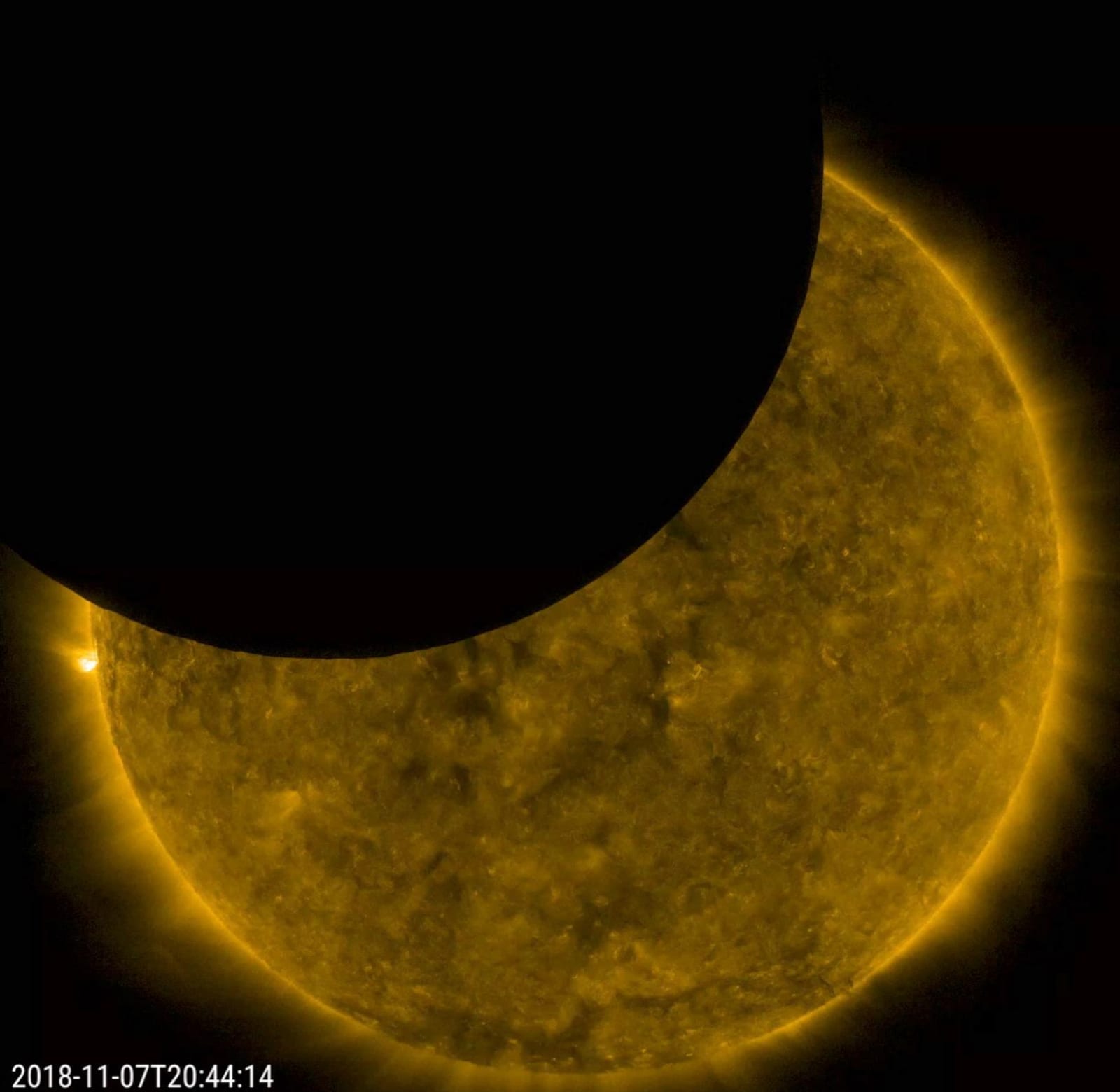
SDO Observes a Partial Lunar Eclipse
NASA/GSFC/Solar Dynamics Observatory · NASA media (public domain)
Continue the atlas
Curated next objects
Solar Flare
A sudden, intense burst of radiation from the Sun's surface, released when magnetic energy in the corona is explosively reconfigured. The X-rays arrive in minutes and can ionise Earth's upper atmosphere, causing radio blackouts.
geomagnetic indexNOAA R-Scale (Radio Blackouts)
NOAA's five-level scale for radio blackouts caused by solar-flare X-rays ionising the dayside upper atmosphere, from R1 (minor) to R5 (extreme).
space missionSOHO (Solar and Heliospheric Observatory)
A joint ESA/NASA solar observatory at the Sun–Earth L1 point, operating since 1995. Its coronagraphs image coronal mass ejections and it is a workhorse of space-weather monitoring (and a prolific comet discoverer).
space weather phenomenonActive Regions
Areas of strong, complex magnetic field on the Sun, usually marked by sunspots, where magnetic energy builds up and is released. Active regions are the launch sites of the largest solar flares and coronal mass ejections, and are watched closely for space-weather forecasting.
space weather phenomenonCoronal Mass Ejection (CME)
An enormous eruption of magnetised plasma from the Sun's corona, launching billions of tonnes of material into space. When aimed at Earth, a CME can drive the largest geomagnetic storms one to three days later.
planetEarth
Earth is the third planet from the Sun and the only world known to support life.
Observation
How this was captured
- Source
- NASA
- Observation date
- 2015-09-13
Gallery
SDO Sees Solar Eclipse
Image of the Moon transiting across the Sun, taken by SDO in 304 angstrom extreme ultraviolet light on August 21, 2017.
2017
NASA/Goddard Space Flight Center · NASA media (public domain)
Data
Scientific data & provenance
Data & provenance
- Stable ID
space_mission:sdo- Type
- Space mission
- Domain
- Scientific connections
- Relationships
- 1
- Graph version
- 1.0.0
Dataset membership
Open data
In the graph export: graph.json · graph.jsonld
Planned API: GET /api/v0/entities/space_mission:sdo
Scientific quality
Partial2 of 7 applicable dimensions complete, 2 partial
- Description
- Complete
- Source coverage
- Partial
- Relationship coverage
- Partial
- Review coverage
- None
- Citation coverage
- None
- Image coverage
- Complete
- Timeline coverage
- None
Scientific entity. Dimensions that cannot apply to this object are excluded rather than counted as gaps. See the evidence framework and authority dashboard.
You might also explore
- Geomagnetic indexNOAA R-Scale (Radio Blackouts)Linked through Solar Flare
- Space missionSOHO (Solar and Heliospheric Observatory)Linked through Solar Flare
- Space-weather phenomenonActive RegionsLinked through Solar Flare
- Space-weather phenomenonCoronal Mass Ejection (CME)Linked through Solar Flare
- PlanetEarthLinked through Solar Flare
- Space-weather impactGPS & NavigationLinked through Solar Flare
Sources & references
The primary and reference sources this topic draws on.
- NASANational Aeronautics and Space Administration
Mission data, planetary science, space telescopes, and public-domain imagery.
Most NASA-produced imagery is in the public domain; individual items are checked for usage terms before publication.