Understanding Small-Body Missions
How we reached the asteroids and comets — the flybys, orbiters, landers, impactors, and sample-return missions that explored them, from Giotto at Halley to OSIRIS-REx at Bennu and DART at Dimorphos. Built on real NASA/JPL, ESA, and JAXA mission data that reuses the platform's spacecraft, rockets, asteroids, and comets; planned missions claim no results they have not achieved and nothing is fabricated.
In pictures
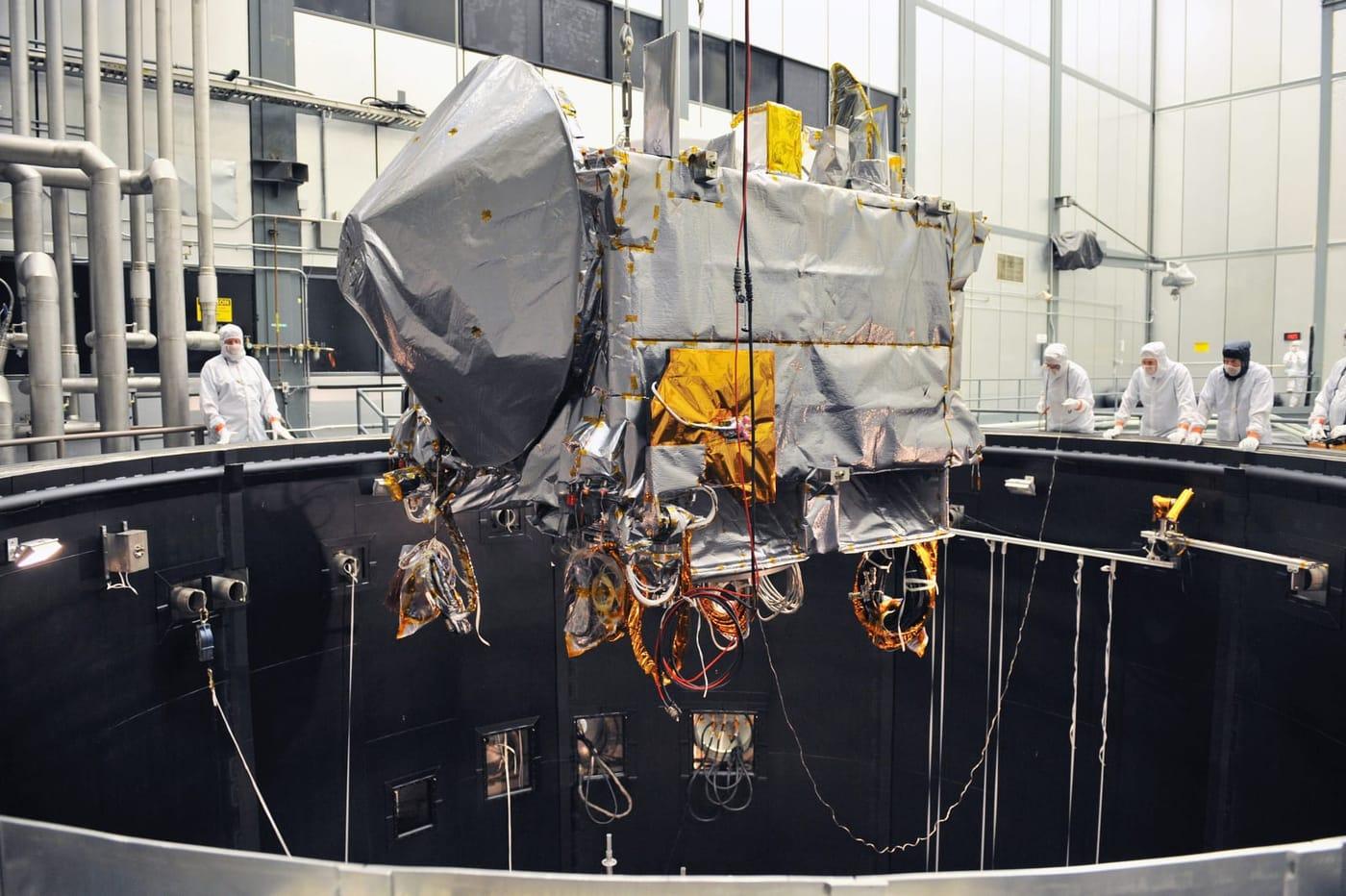
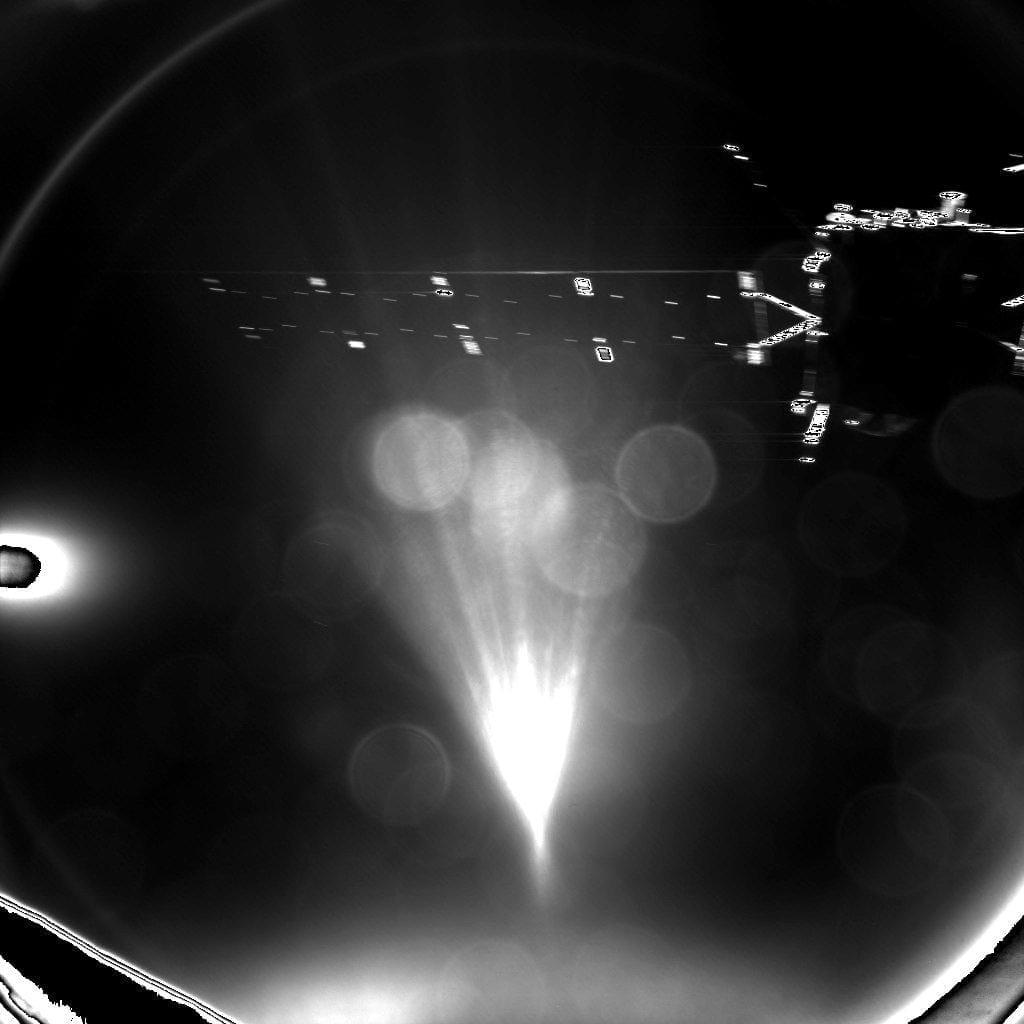
- 1.1Why explore small bodies?Asteroids and comets are pristine leftovers of planet formation — and potential hazards.
- 1.2Flyby missionsThe quickest way to reach a new target: a single high-speed pass.
- 1.3Orbiters and rendezvousStaying with a body to map it in detail — NEAR, Dawn, Rosetta.
- 1.4LandersTouching down on a low-gravity surface — Philae, NEAR, the Hayabusa touchdowns.
- 2.1Impactor missionsDeliberately striking a body — to look inside it, or to deflect it.
- 2.2Sample returnBringing pieces of an asteroid or comet back to Earth's laboratories.
- 2.3The Hayabusa lineJAXA's pioneering asteroid sample-return missions, Hayabusa and Hayabusa2.
- 2.4OSIRIS-REx at BennuNASA's first asteroid sample return — 121.6 grams of a carbon-rich world.
- 3.1Comet missionsFrom Giotto's first close-up of Halley to Rosetta orbiting comet 67P.
- 3.2Planetary defenseDART's kinetic impact and Hera's follow-up — testing asteroid deflection.
- 3.3What returned samples revealWater, organics, and amino acids in pristine asteroid material.
- 3.4Future missionsMMX, Comet Interceptor, Psyche, and the missions still to come.
Related entities
- Space mission
OSIRIS-REx
OSIRIS-REx collected a sample from the near-Earth asteroid Bennu and returned it to Earth in 2023.
- Space mission
Rosetta
Comet orbiter & lander · ESA · launched 2004.
- Returned sample
Ryugu Sample (Hayabusa2)
5.4 grams of surface and subsurface material from the carbonaceous asteroid 162173 Ryugu, returned by Hayabusa2 in 2020. The pristine, water- and organic-bearing grains contain amino acids and predate the Solar System's planets.
- Mission class
Sample-Return Mission
A mission that collects material from a small body and brings it back to Earth for laboratory study — Hayabusa (Itokawa), Hayabusa2 (Ryugu), OSIRIS-REx (Bennu), and Stardust (comet Wild 2).