Space mission
DSCOVR (Deep Space Climate Observatory)
A NOAA/NASA mission at the Sun–Earth L1 point that provides real-time solar-wind measurements for operational space-weather forecasting, along with full-disc images of Earth.
- Type
- Space mission
- Domain
- Scientific connections
- Connections
- 3
NASA/Goddard Space Flight Center · NASA media (public domain)
- Type: Space mission
- Domain: Scientific connections
Experience system V6
Mission dossier
A mission-story layout that emphasizes target bodies, spacecraft, timeline, agency, and evidence-backed status.
- 01
Observe
NASA imagery anchors the visual reading with licensed source metadata.
- 02
Measure
Measurement panels use graph coverage, catalog identifiers, and source availability without inventing values.
- 03
Locate
Observes Solar Wind.
- 04
Connect
3 graph relations shape the knowledge viewport.
- Object type
- Space mission
- Graph relations
- 3
- Verified sources
- 2
- Image records
- 4
- Domain
- Scientific connections
- Status
- Graph entity
Scientific map
Mission context
- Observes
Solar Wind
- Observes
Geomagnetic Storm
- Associated with
Satellites
Original SVG diagram
Mission architecture
- Agency
- Not recorded
- Launch year
- Not recorded
- Mission type
- Not recorded
- Status
- Not recorded
Visual knowledge graph
Relationships, not isolated facts
This viewport is generated from the Asteria knowledge graph. Science, culture, and interpretive links remain separated by domain so visual context never changes the evidentiary meaning of a relation.
- ObservesGeomagnetic Storm
- Associated withSatellites
- ObservesSolar Wind
Image provenance
Photography as evidence
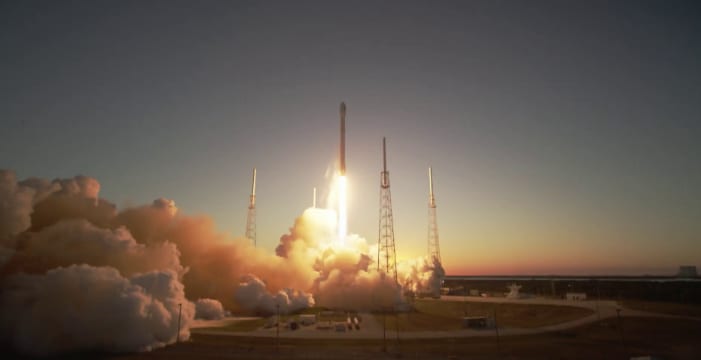
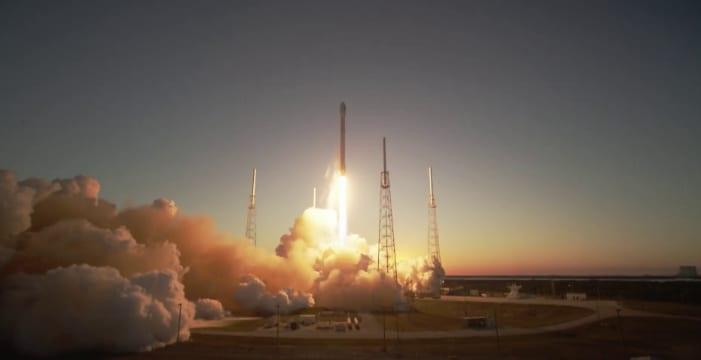
DSCOVR Liftoff
NASA/Goddard Space Flight Center · NASA media (public domain)
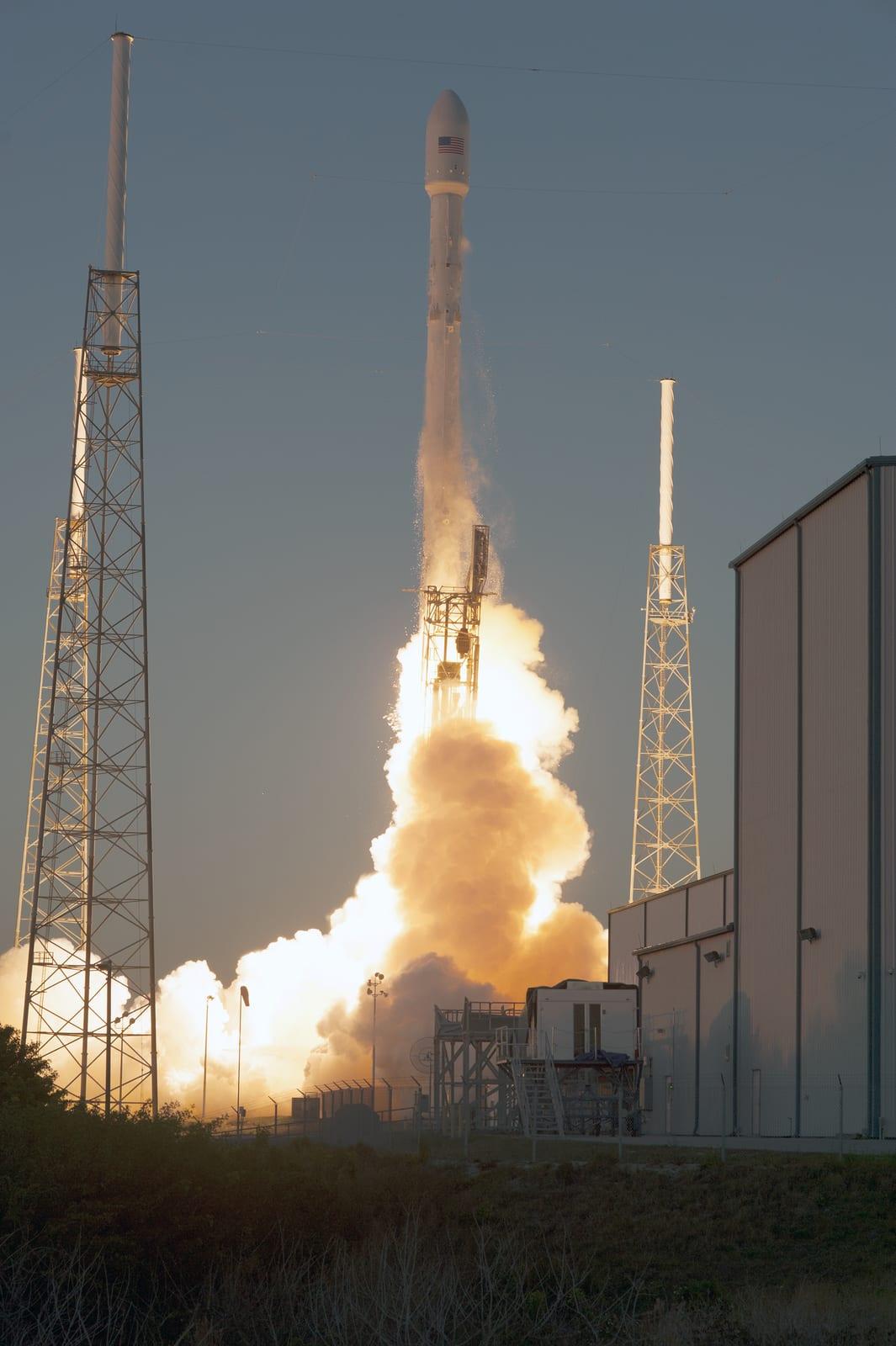
Deep Space Climate Observatory (DSCOVR) lifted off from Cape Canaveral
NASA/Goddard Space Flight Center · NASA media (public domain)
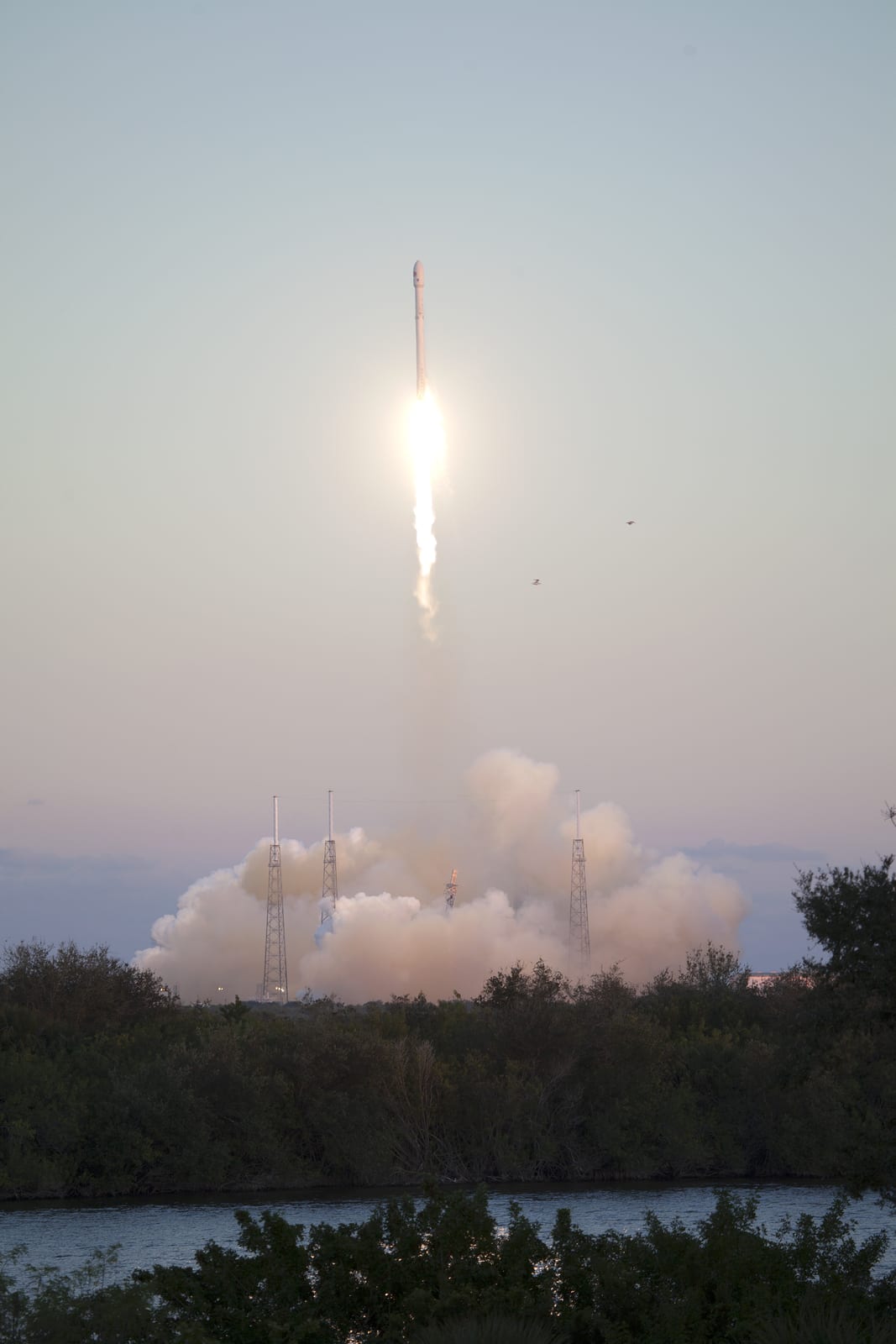
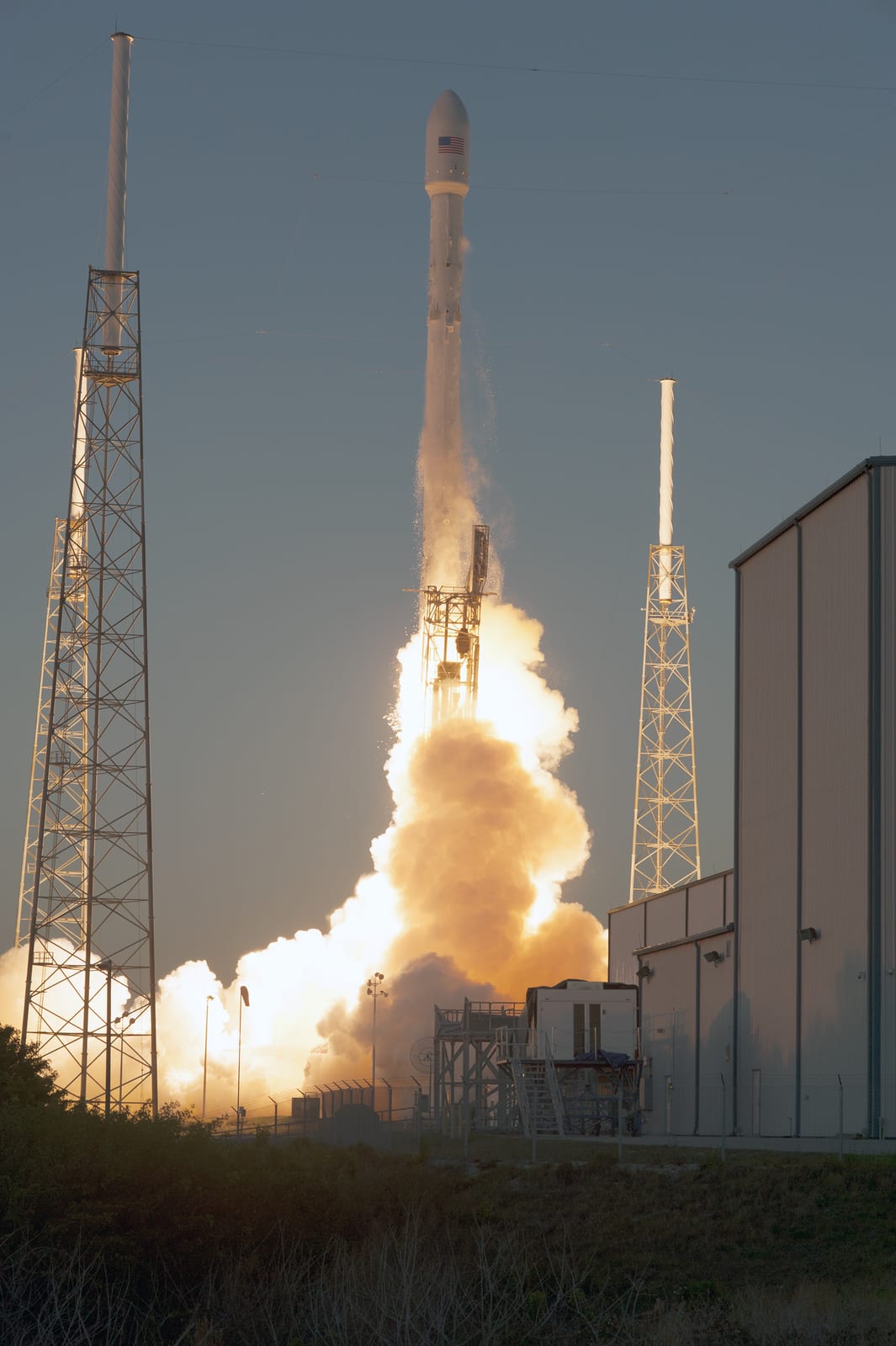
Deep Space Climate Observatory (DSCOVR) lifted off from Cape Canaveral
NASA/Goddard Space Flight Center · NASA media (public domain)
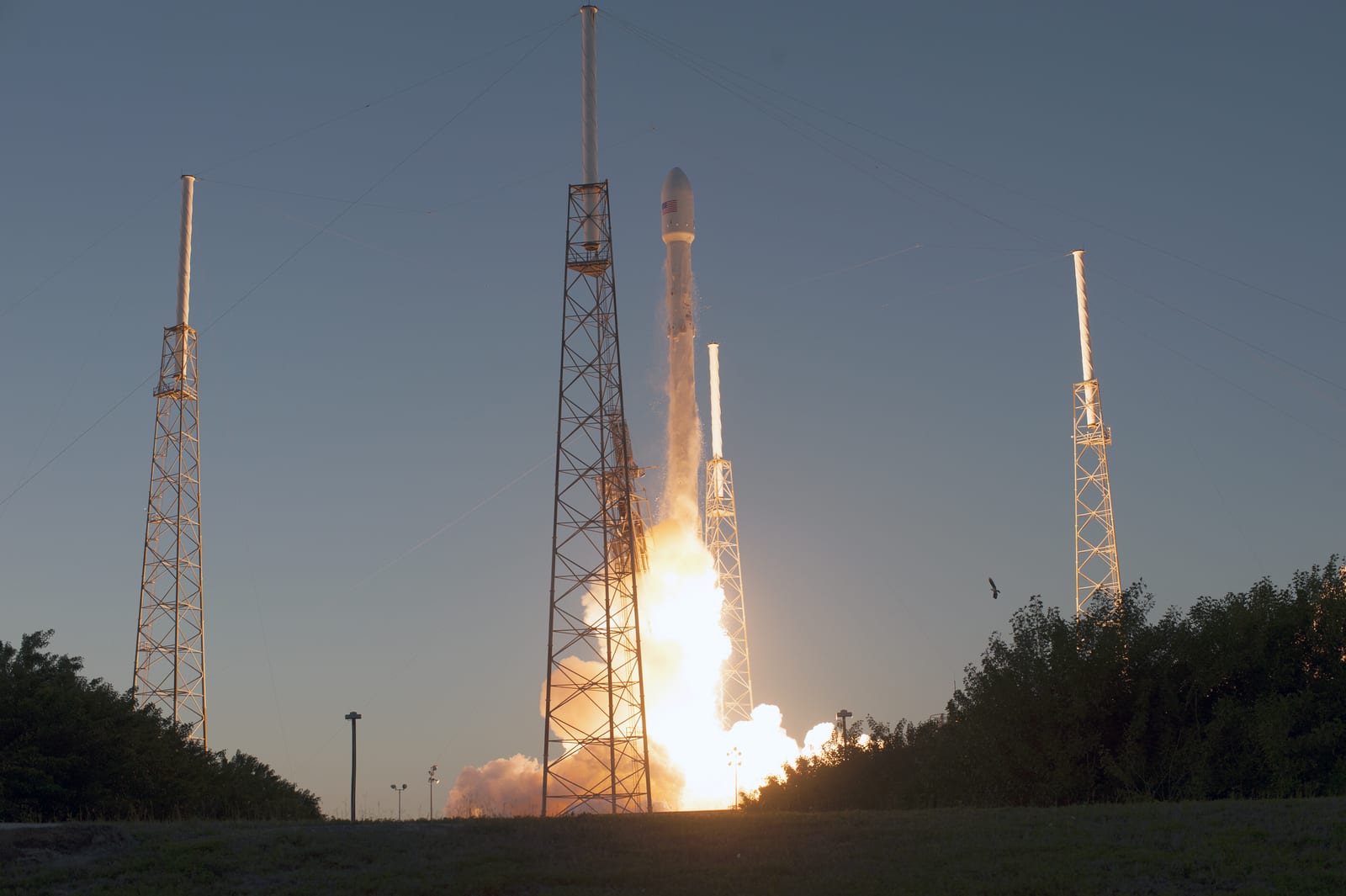
Deep Space Climate Observatory (DSCOVR) lifted off from Cape Canaveral
NASA/Goddard Space Flight Center · NASA media (public domain)
Continue the atlas
Curated next objects
Solar Wind
The continuous stream of charged particles — mostly protons and electrons — that flows outward from the Sun's corona at hundreds of kilometres per second, filling the Solar System and shaping planetary magnetospheres.
space weather phenomenonGeomagnetic Storm
A temporary disturbance of Earth's magnetosphere, driven by the arrival of a fast solar wind or a coronal mass ejection. Strong storms can disrupt satellites, power grids, and navigation, and drive bright auroras.
space weather impactSatellites
Spacecraft are exposed to the full force of space weather: energetic particles charge their surfaces and interiors and flip bits in their electronics, while geomagnetic storms heat and expand the upper atmosphere, increasing drag and pulling low-orbit satellites down faster.
space weather phenomenonCoronal Mass Ejection (CME)
An enormous eruption of magnetised plasma from the Sun's corona, launching billions of tonnes of material into space. When aimed at Earth, a CME can drive the largest geomagnetic storms one to three days later.
geomagnetic indexDst Index
The Disturbance storm-time index, which tracks the strength of the equatorial ring current and so measures the intensity of a geomagnetic storm — the more negative the Dst, the stronger the storm.
planetEarth
Earth is the third planet from the Sun and the only world known to support life.
Observation
How this was captured
- Source
- NASA
- Observation date
- 2017-12-08
Gallery
Deep Space Climate Observatory (DSCOVR) lifted off from Cape Canaveral
KSC-2015-1341 (02/11/2015) --- The SpaceX Falcon 9 rocket carrying NOAA’s Deep Space Climate Observatory spacecraft, or DSCOVR, lifts off from Space Launch Complex 40 at Cape Canaveral Air Force Station in Florida.
2017
NASA/Goddard Space Flight Center · NASA media (public domain)
Data
Scientific data & provenance
Data & provenance
- Stable ID
space_mission:dscovr- Type
- Space mission
- Domain
- Scientific connections
- Relationships
- 3
- Graph version
- 1.0.0
Dataset membership
Open data
In the graph export: graph.json · graph.jsonld
Planned API: GET /api/v0/entities/space_mission:dscovr
Scientific quality
Partial4 of 7 applicable dimensions complete
- Description
- Complete
- Source coverage
- Complete
- Relationship coverage
- Complete
- Review coverage
- None
- Citation coverage
- None
- Image coverage
- Complete
- Timeline coverage
- None
Scientific entity. Dimensions that cannot apply to this object are excluded rather than counted as gaps. See the evidence framework and authority dashboard.
You might also explore
- Space-weather phenomenonCoronal Mass Ejection (CME)Linked through Geomagnetic Storm
- Geomagnetic indexDst IndexLinked through Geomagnetic Storm
- PlanetEarthLinked through Solar Wind
- Geomagnetic indexKp IndexLinked through Geomagnetic Storm
- Geomagnetic indexNOAA G-Scale (Geomagnetic Storms)Linked through Geomagnetic Storm
- Live data sourceNOAA Space Weather Prediction CenterLinked through Solar Wind
Sources & references
The primary and reference sources this topic draws on.
- NOAA Solar CalculatorNOAA Global Monitoring Laboratory
Public-domain solar-position geometry: sunrise, sunset, solar noon, twilight, declination, and the equation of time.
Public domain (US Government work).
- NASANational Aeronautics and Space Administration
Mission data, planetary science, space telescopes, and public-domain imagery.
Most NASA-produced imagery is in the public domain; individual items are checked for usage terms before publication.