Space mission
Deep Space 1
NASA's ion-propulsion technology demonstrator that flew past comet Borrelly in 2001, returning detailed images of its nucleus.
- Type
- Space mission
- Domain
- Scientific connections
- Connections
- 6
NASA · NASA media (public domain)
- Type: Space mission
- Domain: Scientific connections
Experience system V6
Mission dossier
A mission-story layout that emphasizes target bodies, spacecraft, timeline, agency, and evidence-backed status.
- 01
Observe
NASA imagery anchors the visual reading with licensed source metadata.
- 02
Measure
Measurement panels use graph coverage, catalog identifiers, and source availability without inventing values.
- 03
Locate
Visited Borrelly.
- 04
Connect
6 graph relations shape the knowledge viewport.
- Object type
- Space mission
- Graph relations
- 6
- Verified sources
- 1
- Image records
- 4
- Domain
- Scientific connections
- Status
- Graph entity
Scientific map
Mission context
- Visited
Borrelly
- Member of group
Flyby Mission
- Launched by
Delta II
- Operated by
NASA Jet Propulsion Laboratory
Original SVG diagram
Mission architecture
- Agency
- Not recorded
- Launch year
- Not recorded
- Mission type
- Not recorded
- Status
- Not recorded
Visual knowledge graph
Relationships, not isolated facts
This viewport is generated from the Asteria knowledge graph. Science, culture, and interpretive links remain separated by domain so visual context never changes the evidentiary meaning of a relation.
- Associated withAutonomous Navigation
- VisitedBorrelly
- VisitedBorrelly
- Launched byDelta II
- Member of groupFlyby Mission
- Operated byNASA Jet Propulsion Laboratory
Image provenance
Photography as evidence
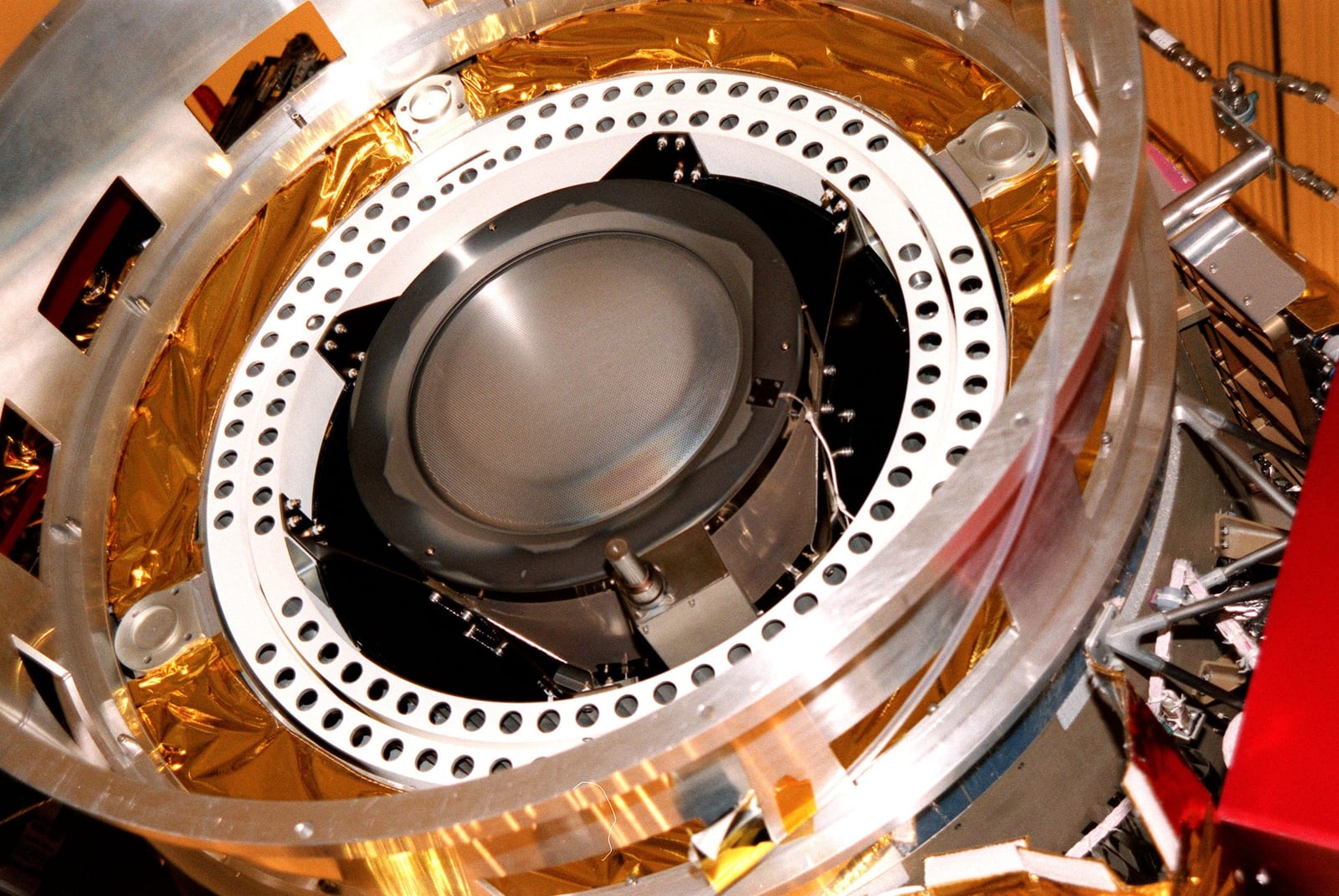
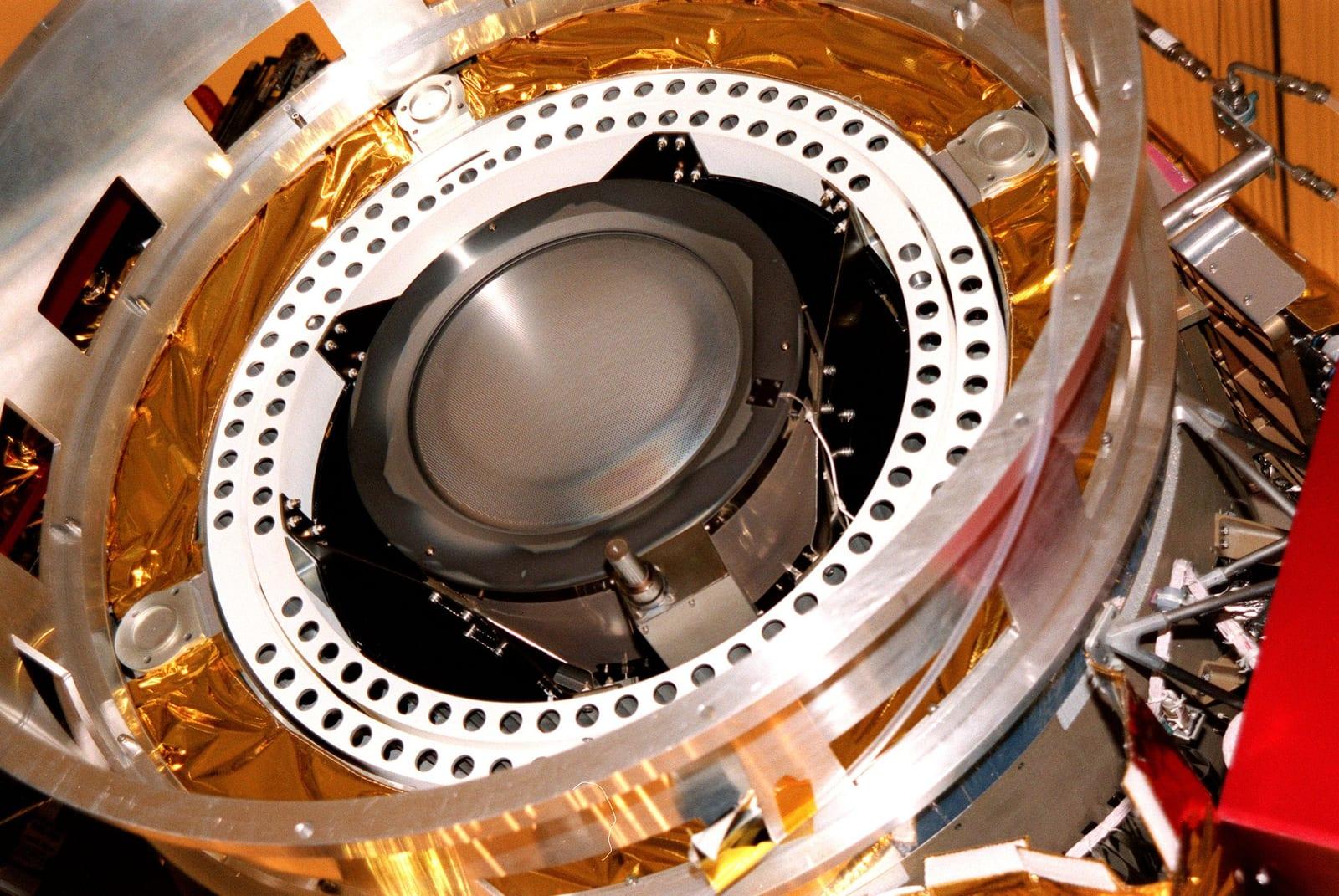
Deep Space 1 Ion Engine
NASA · NASA media (public domain)
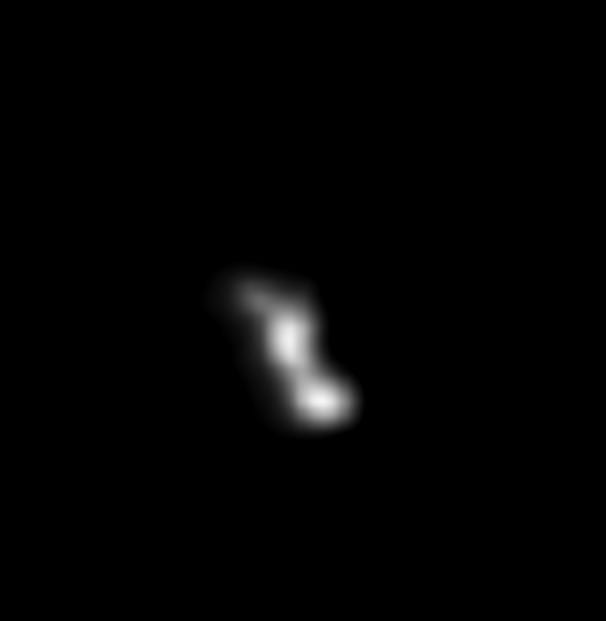
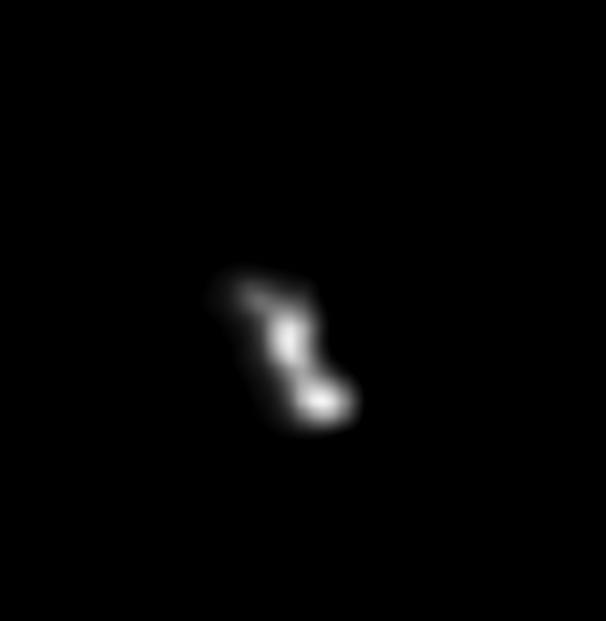
Enhanced Image of Asteroid Braille from Deep Space 1
NASA/JPL/USGS · NASA media (public domain)
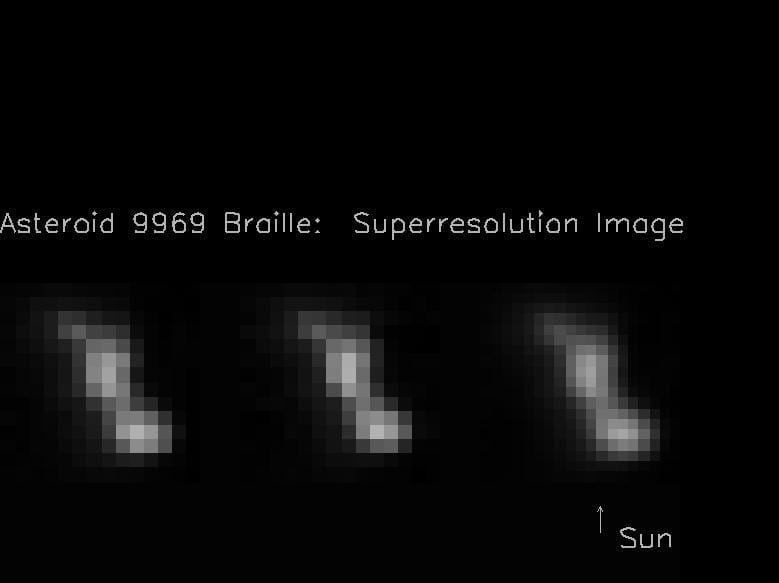
Composite View of Asteroid Braille from Deep Space 1
NASA/JPL/USGS · NASA media (public domain)
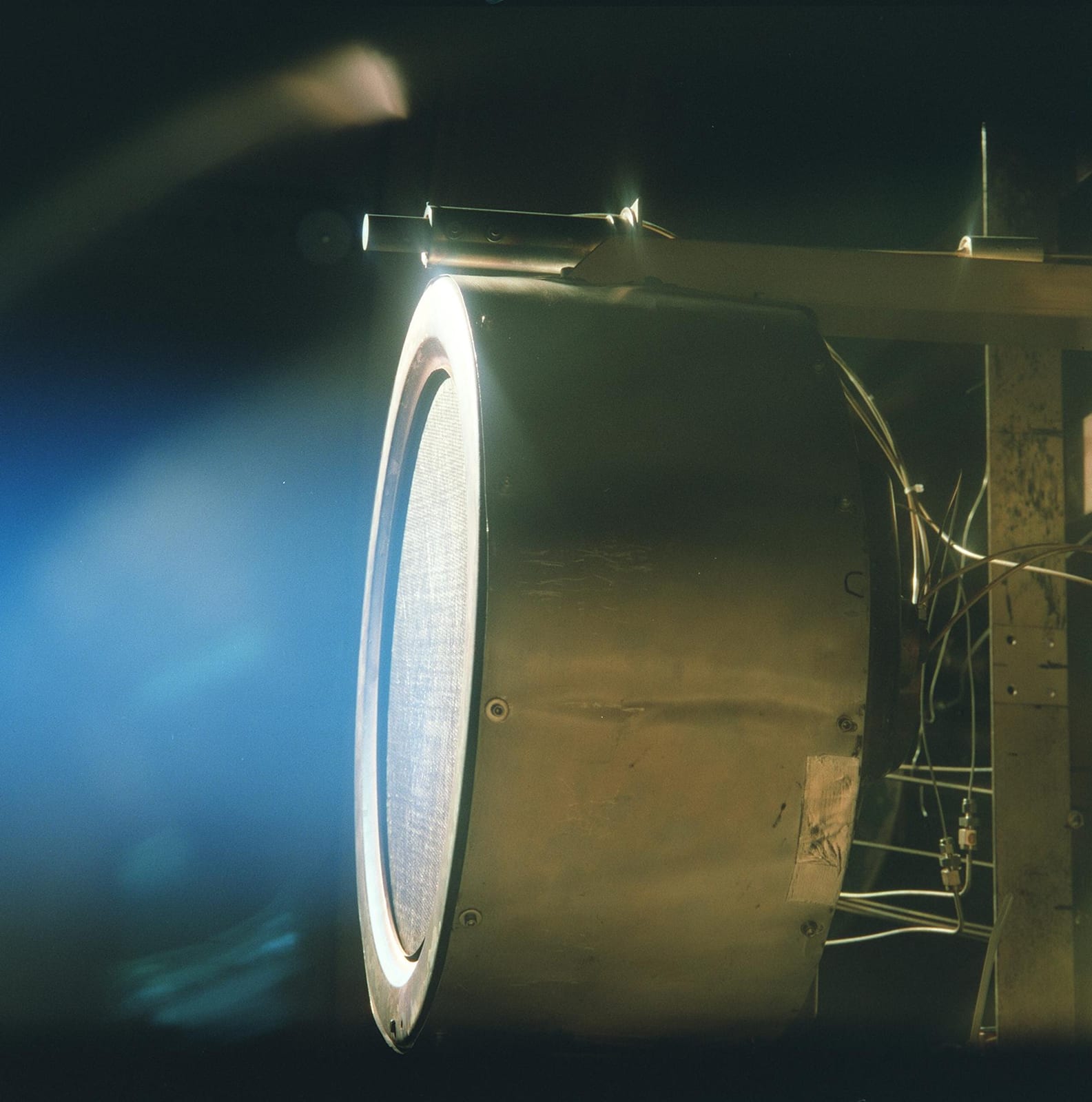
Deep Space 1 Ion Engine
NASA/JPL · NASA media (public domain)
Continue the atlas
Curated next objects
Borrelly
Periodic comet — 19P/Borrelly.
mission classFlyby Mission
A spacecraft that passes a small body once at high speed, gathering images and data during a brief encounter. Flybys are the cheapest way to reach a new target — Giotto at Halley, Deep Space 1 at Borrelly, Lucy at the Trojans.
launch vehicleDelta II
A highly reliable medium-lift workhorse that launched GPS satellites and many NASA planetary missions, including the Mars rovers Spirit and Opportunity and the Kepler telescope.
organizationNASA Jet Propulsion Laboratory
The Jet Propulsion Laboratory is a NASA federally funded research and development center in California that builds and operates robotic spacecraft.
navigation systemAutonomous Navigation
Onboard software that processes optical-navigation images in real time and steers the spacecraft itself, without waiting for commands from Earth. It was pioneered by Deep Space 1 and used for terminal guidance in fast flybys and the DART impact.
space missionDeep Impact
NASA's mission that fired a 370-kg impactor into comet Tempel 1 in 2005 to excavate and study the material beneath a comet's surface.
Observation
How this was captured
- Source
- NASA
- Observation date
- 2002-12-21
Gallery
Composite View of Asteroid Braille from Deep Space 1
The two images on the left hand side of this composite image frame were taken 914 seconds and 932 seconds after the NASA Deep Space 1 encounter with the asteroid 9969 Braille.
1999
NASA/JPL/USGS · NASA media (public domain)
Data
Scientific data & provenance
Data & provenance
- Stable ID
space_mission:deep-space-1- Type
- Space mission
- Domain
- Scientific connections
- Relationships
- 6
- Graph version
- 1.0.0
Dataset membership
Open data
In the graph export: graph.json · graph.jsonld
Planned API: GET /api/v0/entities/space_mission:deep-space-1
Scientific quality
Partial3 of 7 applicable dimensions complete, 1 partial
- Description
- Complete
- Source coverage
- Partial
- Relationship coverage
- Complete
- Review coverage
- None
- Citation coverage
- None
- Image coverage
- Complete
- Timeline coverage
- None
Scientific entity. Dimensions that cannot apply to this object are excluded rather than counted as gaps. See the evidence framework and authority dashboard.
You might also explore
Sources & references
The primary and reference sources this topic draws on.
- NASANational Aeronautics and Space Administration
Mission data, planetary science, space telescopes, and public-domain imagery.
Most NASA-produced imagery is in the public domain; individual items are checked for usage terms before publication.