Launch vehicle
Soyuz
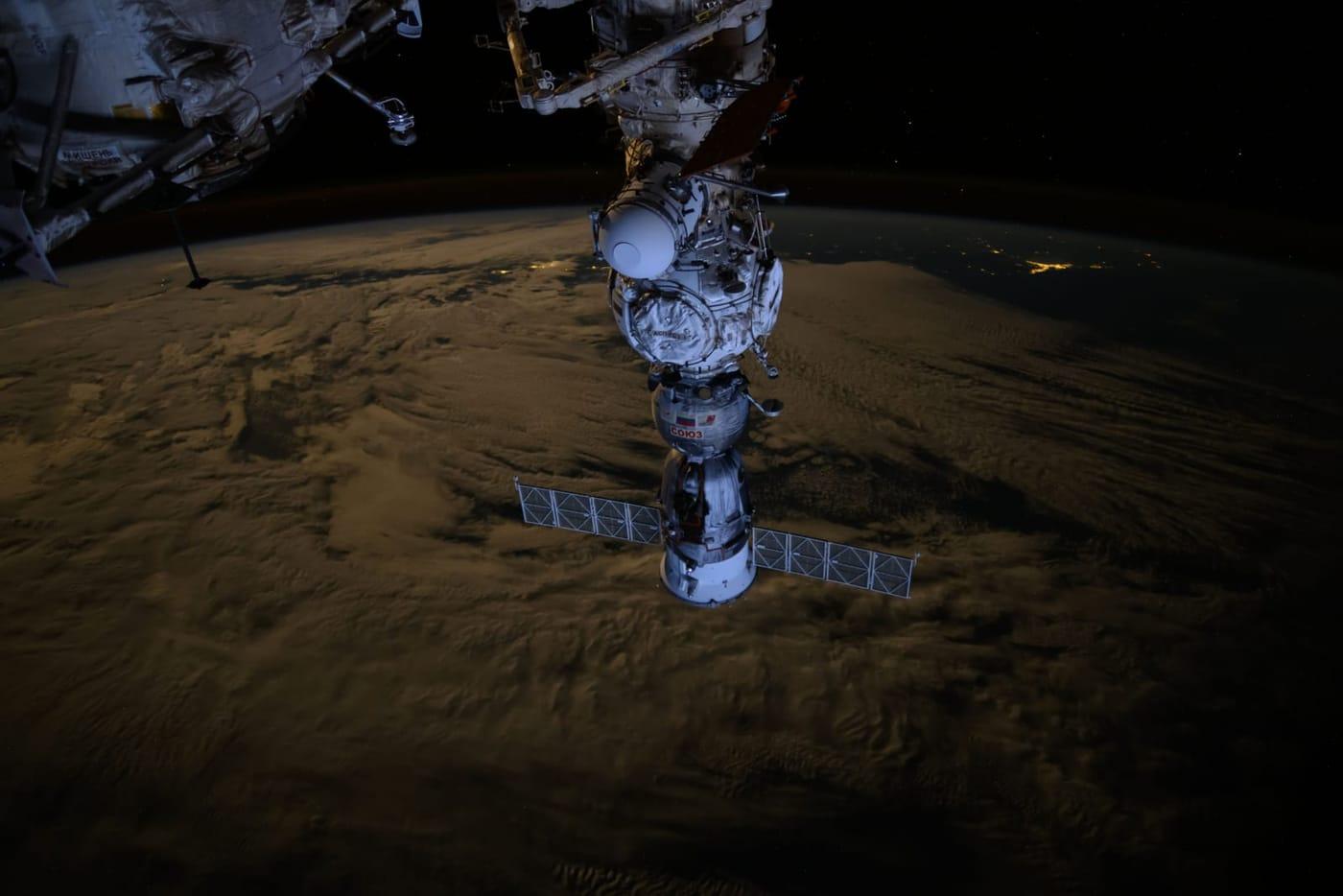
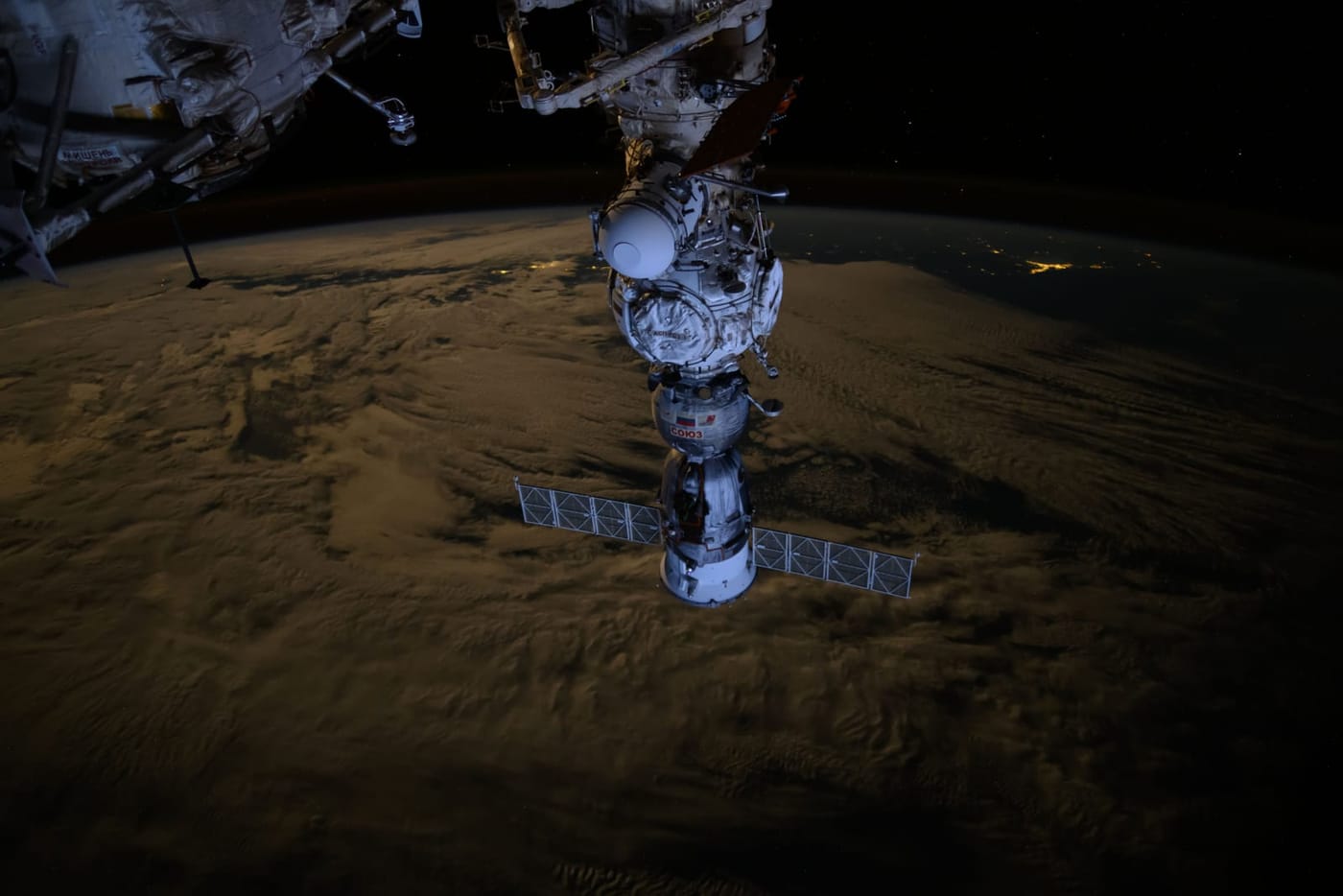
Soyuz is a family of expendable launch vehicles operated by Roscosmos that has long carried crews and cargo to orbit, including to the International Space Station.
- Type
- Launch vehicle
- Domain
- Scientific connections
- Connections
- 18
NASA/Johnson · NASA media (public domain)
- Type: Launch vehicle
- Domain: Scientific connections

Experience system V6
Rocket engineering profile
A vehicle-first layout for staging, launch context, organizations, and mission graph relations.
- 01
Observe
NASA imagery anchors the visual reading with licensed source metadata.
- 02
Measure
Measurement panels use graph coverage, catalog identifiers, and source availability without inventing values.
- 03
Locate
Operated by Roscosmos.
- 04
Connect
18 graph relations shape the knowledge viewport.
- Object type
- Launch vehicle
- Graph relations
- 18
- Verified sources
- 1
- Image records
- 4
- Domain
- Scientific connections
- Status
- Graph entity
Scientific map
Mission context
- Operated by
Roscosmos
- Launched
Venus Express
- Launched
Mars Express
- Launched
Gaia
Original SVG diagram
Mission architecture
- Agency
- Not recorded
- Launch year
- Not recorded
- Mission type
- Not recorded
- Status
- Not recorded
Visual knowledge graph
Relationships, not isolated facts
This viewport is generated from the Asteria knowledge graph. Science, culture, and interpretive links remain separated by domain so visual context never changes the evidentiary meaning of a relation.
- Launched fromGagarin's Start (Site 1)
- LaunchedGaia
- LaunchedISS Expedition 1
- LaunchedISS Expedition 10
- LaunchedISS Expedition 2
- LaunchedISS Expedition 3
- LaunchedISS Expedition 4
- LaunchedISS Expedition 5
Image provenance
Photography as evidence

Continue the atlas
Curated next objects
Roscosmos
Roscosmos is the state corporation responsible for the space program of the Russian Federation.
space missionVenus Express
Venus Express was ESA's first mission to Venus, studying its dense atmosphere from orbit.
space missionMars Express
Mars orbiter · ESA · launched 2003.
space telescopeGaia
An ESA space observatory charting the positions, distances, and motions of nearly two billion stars in the Milky Way.
expeditionISS Expedition 1
ISS Expedition 1 was the first resident crew of the International Space Station, beginning continuous human presence in orbit. The crew was William Shepherd, Yuri Gidzenko, and Sergei Krikalev.
expeditionISS Expedition 2
ISS Expedition 2 was the second resident crew, comprising Yury Usachev, Susan Helms, and James Voss.
Observation
How this was captured
- Source
- NASA
- Observation date
- 2024-07-19
Gallery
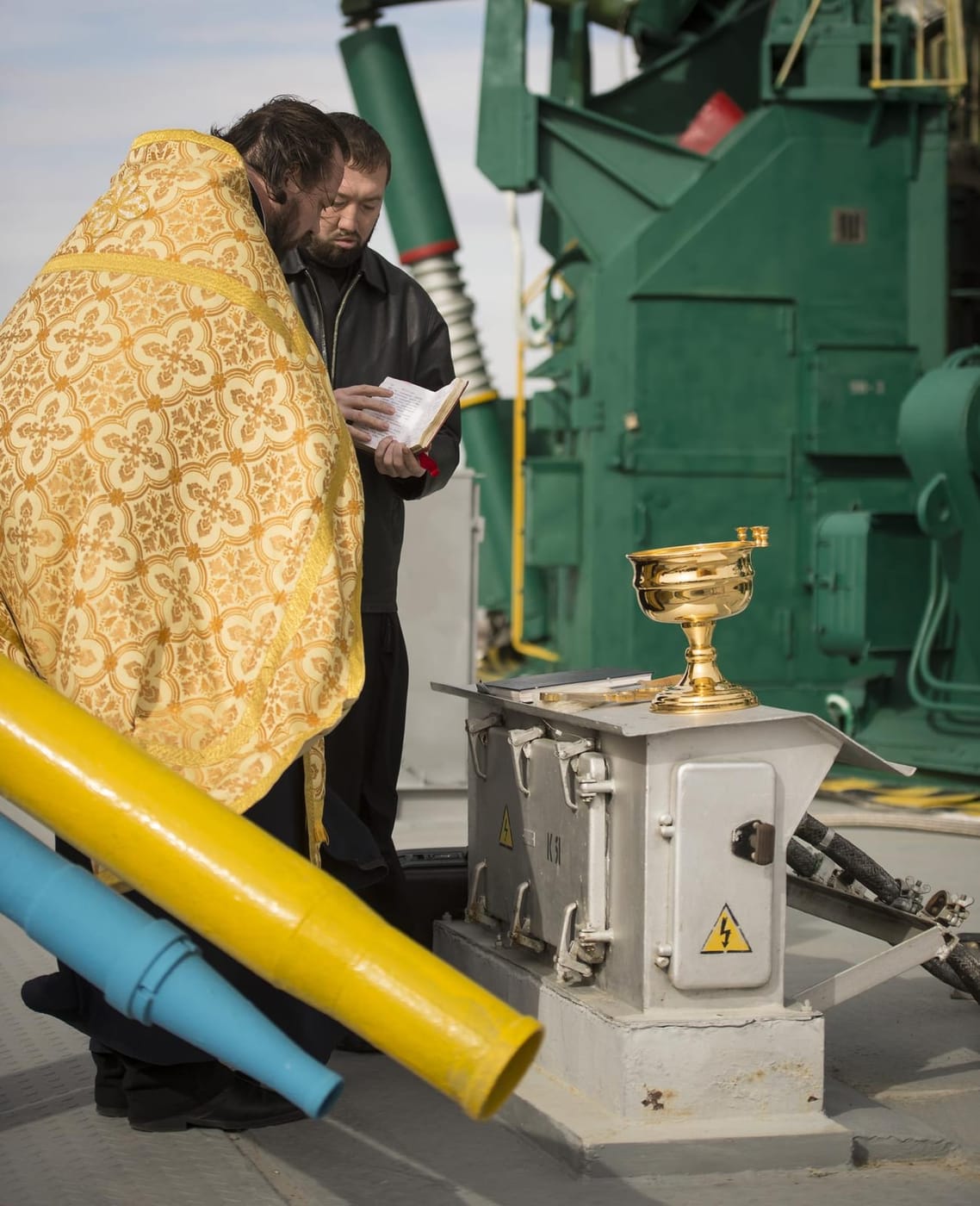
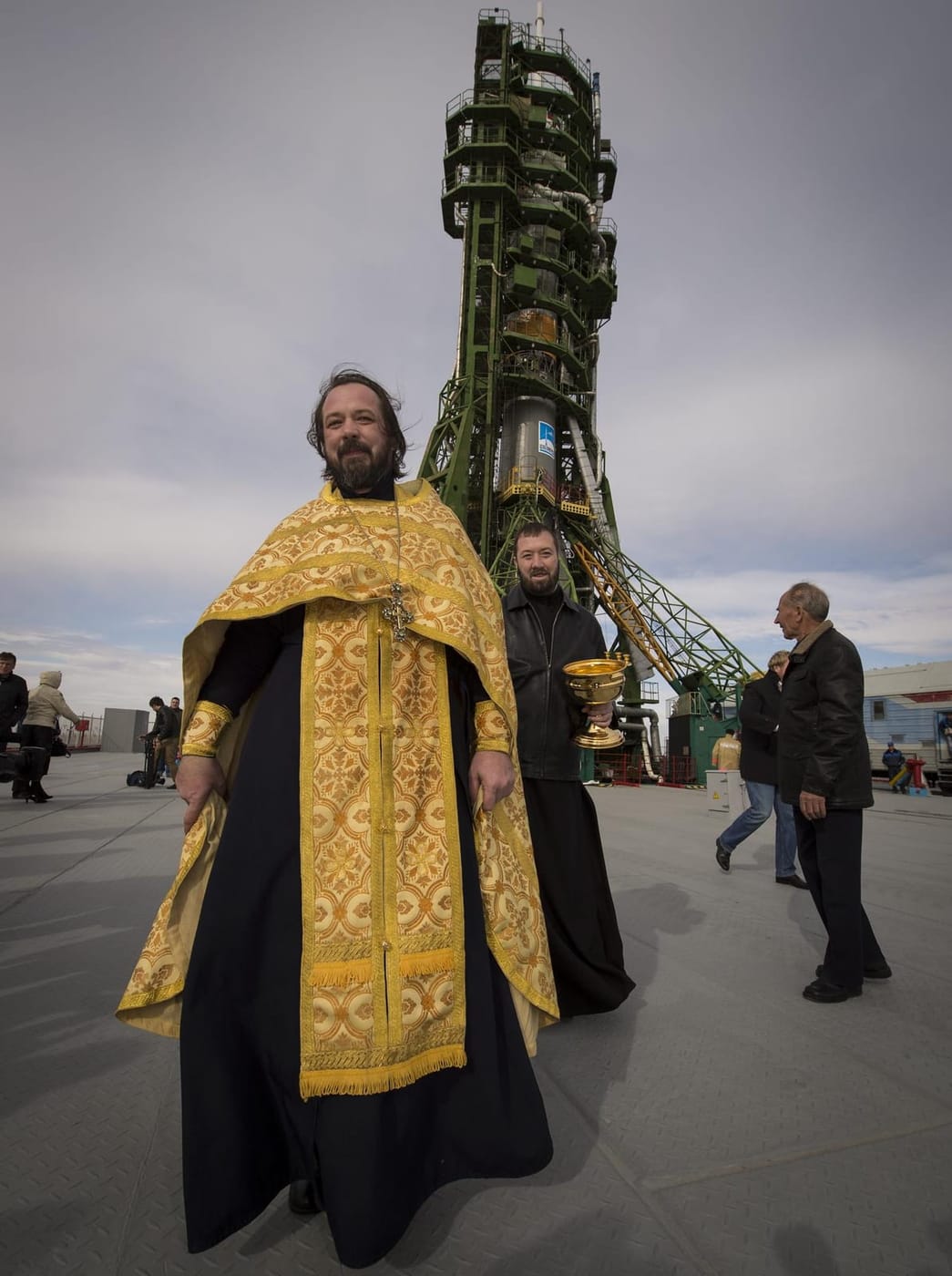
Expedition 33 Soyuz Blessing
An Orthodox priest blesses the Soyuz rocket at the Baikonur Cosmodrome Launch pad on Monday, Oct.
2012
NASA · NASA media (public domain)
Data
Scientific data & provenance
Data & provenance
- Stable ID
launch_vehicle:soyuz- Type
- Launch vehicle
- Domain
- Scientific connections
- Relationships
- 18
- Graph version
- 1.0.0
Dataset membership
Open data
In the graph export: graph.json · graph.jsonld
Planned API: GET /api/v0/entities/launch_vehicle:soyuz
Scientific quality
Substantial5 of 7 applicable dimensions complete, 1 partial
- Description
- Complete
- Source coverage
- Partial
- Relationship coverage
- Complete
- Review coverage
- Complete
- Citation coverage
- Complete
- Image coverage
- Complete
- Timeline coverage
- None
Scientific entity. Dimensions that cannot apply to this object are excluded rather than counted as gaps. See the evidence framework and authority dashboard.
Provenance & sources
review 2026.1Asteria Scientific Review Process · verification: sourced · accurate
- High evidenceconfirmed
The Soyuz is a human-rated member of the R-7 rocket lineage — the most-launched family in history — which has carried crews and cargo to orbit for over five decades.
Source: Roscosmos
Reviewed by the internal Asteria Scientific Review Process — not an external institutional review. See the evidence framework and authority dashboard.
You might also explore
Sources & references
The primary and reference sources this topic draws on.
- NASANational Aeronautics and Space Administration
Mission data, planetary science, space telescopes, and public-domain imagery.
Most NASA-produced imagery is in the public domain; individual items are checked for usage terms before publication.