Launch vehicle
Ariane 5
Ariane 5 was a European heavy-lift launch vehicle operated by Arianespace, notable for launching the James Webb Space Telescope in 2021.
- Type
- Launch vehicle
- Domain
- Scientific connections
- Connections
- 15
NASA/Glenn · NASA media (public domain)
- Type: Launch vehicle
- Domain: Scientific connections
Experience system V6
Rocket engineering profile
A vehicle-first layout for staging, launch context, organizations, and mission graph relations.
- 01
Observe
NASA imagery anchors the visual reading with licensed source metadata.
- 02
Measure
Measurement panels use graph coverage, catalog identifiers, and source availability without inventing values.
- 03
Locate
Operated by Arianespace.
- 04
Connect
15 graph relations shape the knowledge viewport.
- Object type
- Launch vehicle
- Graph relations
- 15
- Verified sources
- 1
- Image records
- 4
- Domain
- Scientific connections
- Status
- Graph entity
Scientific map
Mission context
- Operated by
Arianespace
- Launched
BepiColombo
- Launched
JUICE (Jupiter Icy Moons Explorer)
- Launched
Rosetta
Original SVG diagram
Mission architecture
- Agency
- Not recorded
- Launch year
- Not recorded
- Mission type
- Not recorded
- Status
- Not recorded
Visual knowledge graph
Relationships, not isolated facts
This viewport is generated from the Asteria knowledge graph. Science, culture, and interpretive links remain separated by domain so visual context never changes the evidentiary meaning of a relation.
- Powered byAestus
- Member of familyAriane
- ReplacedAriane 4
- Has stageAriane 5 core stage (EPC)
- Has stageAriane 5 solid boosters (EAP)
- Replaced byAriane 6
- Basis forAriane 6
- Operated byArianespace
3 more graph links
Image provenance
Photography as evidence
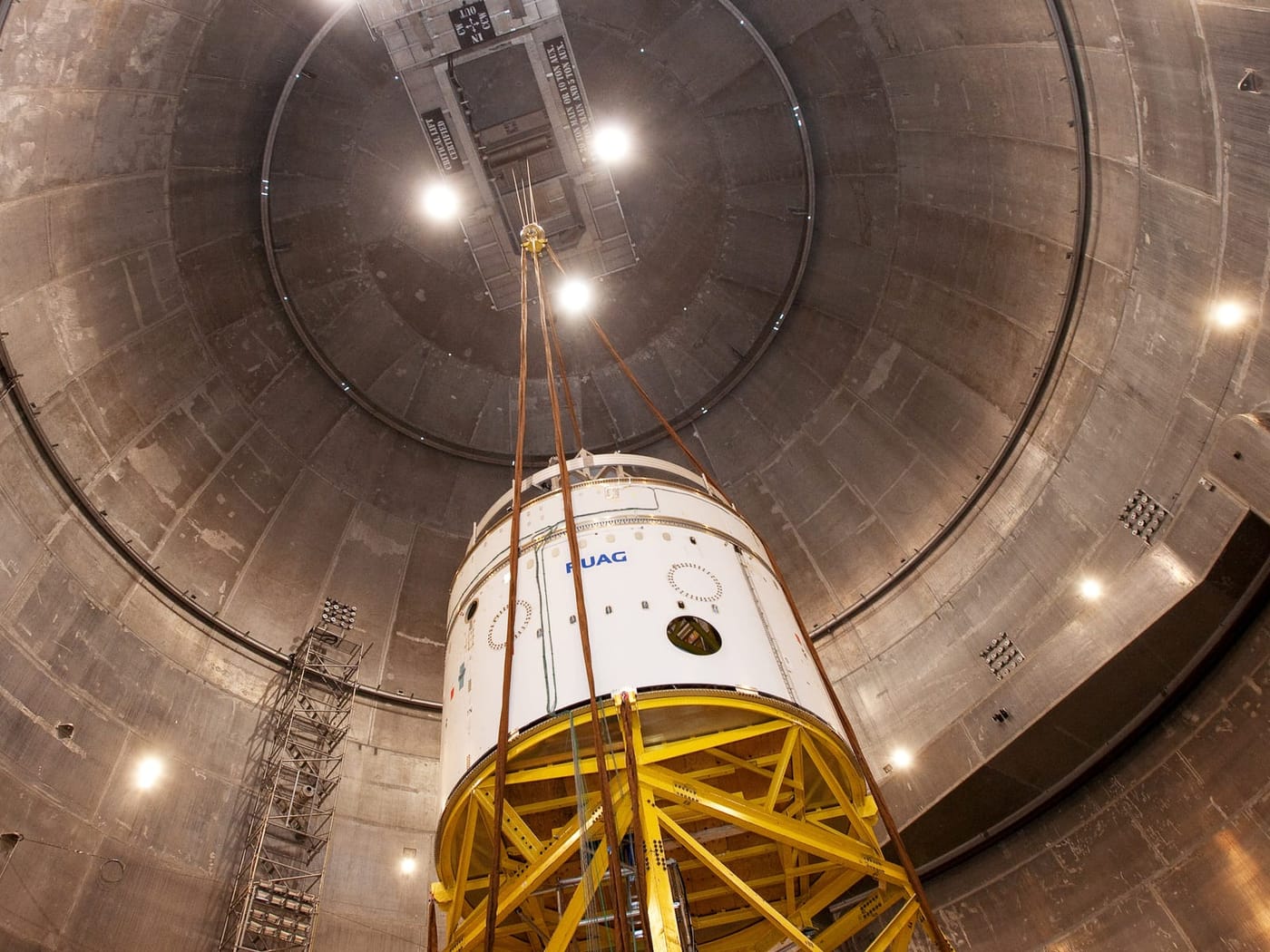
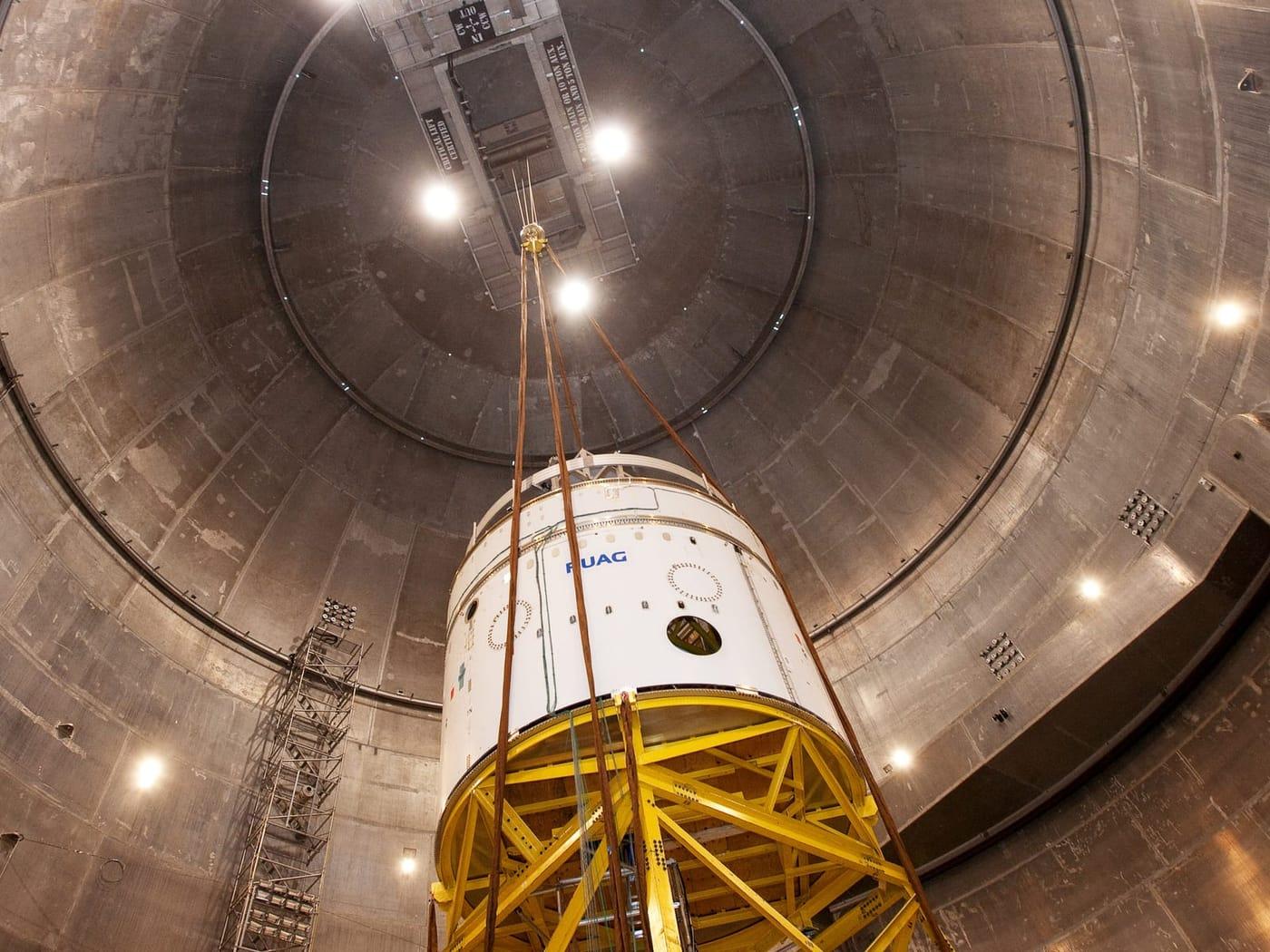
Ariane 5 Payload Fairing Test
NASA/Glenn · NASA media (public domain)
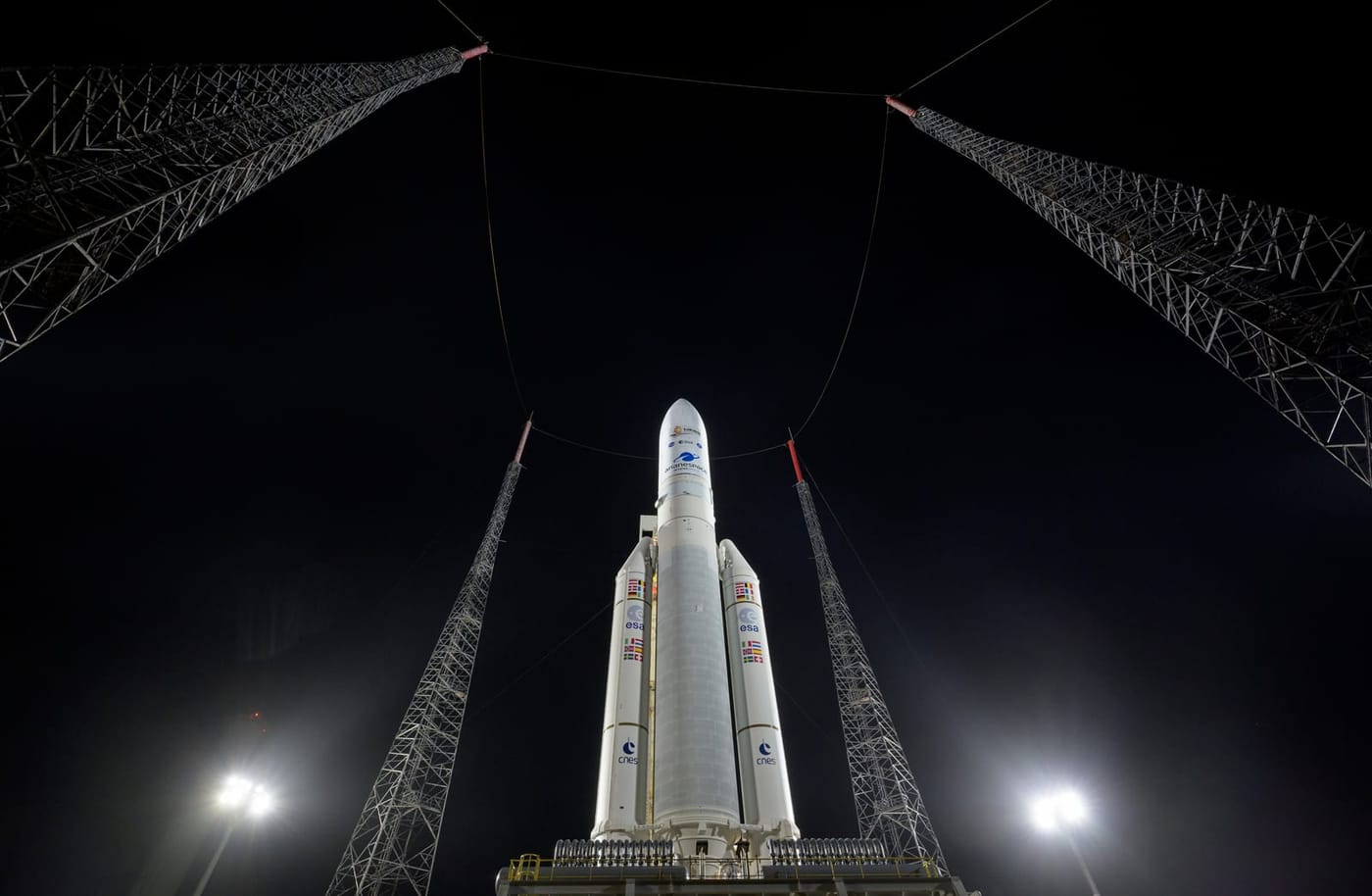
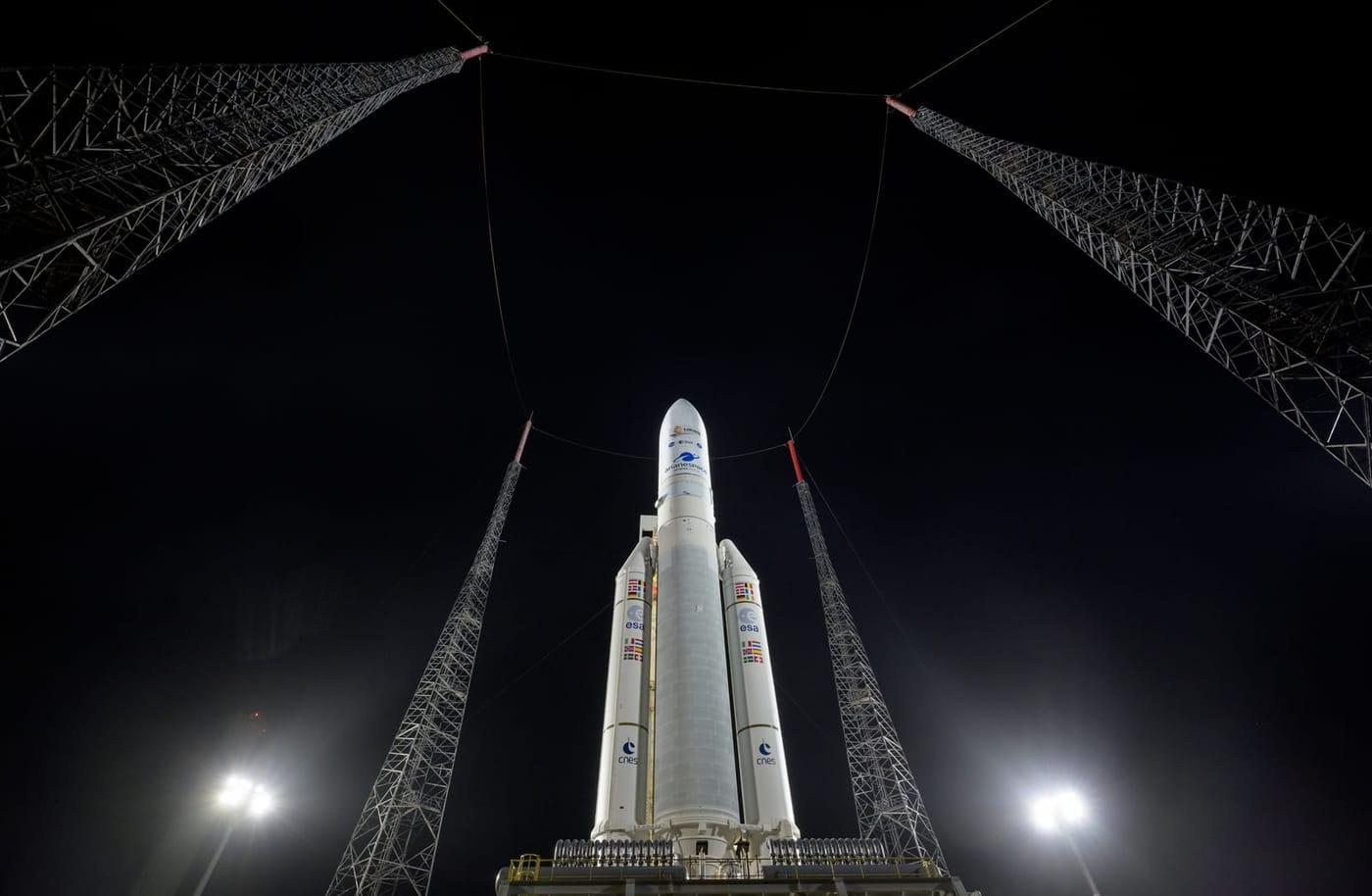
Ariane 5 with James Webb Space Telescope Prelaunch
NASA · NASA media (public domain)
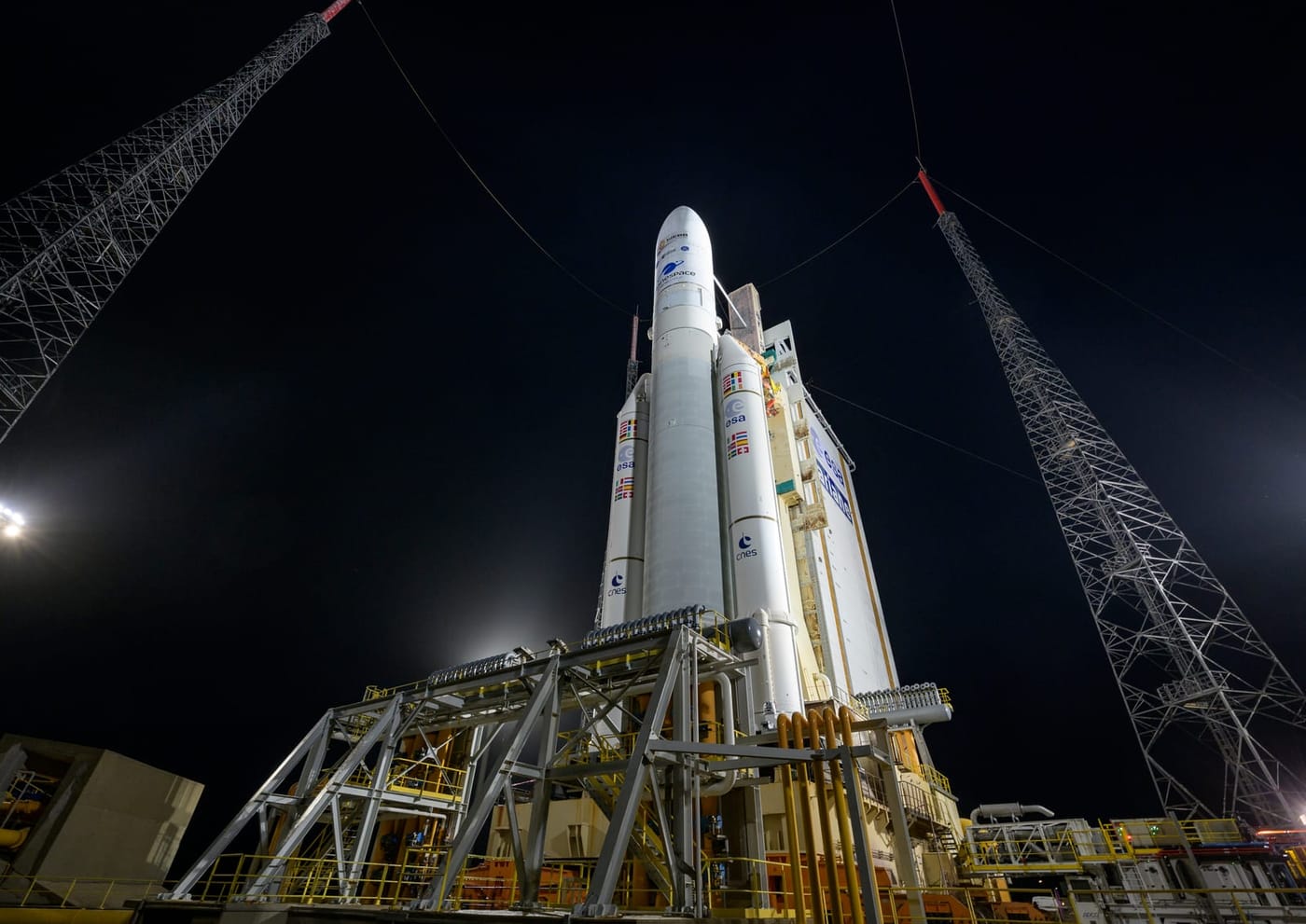
Ariane 5 with James Webb Space Telescope Prelaunch
NASA · NASA media (public domain)
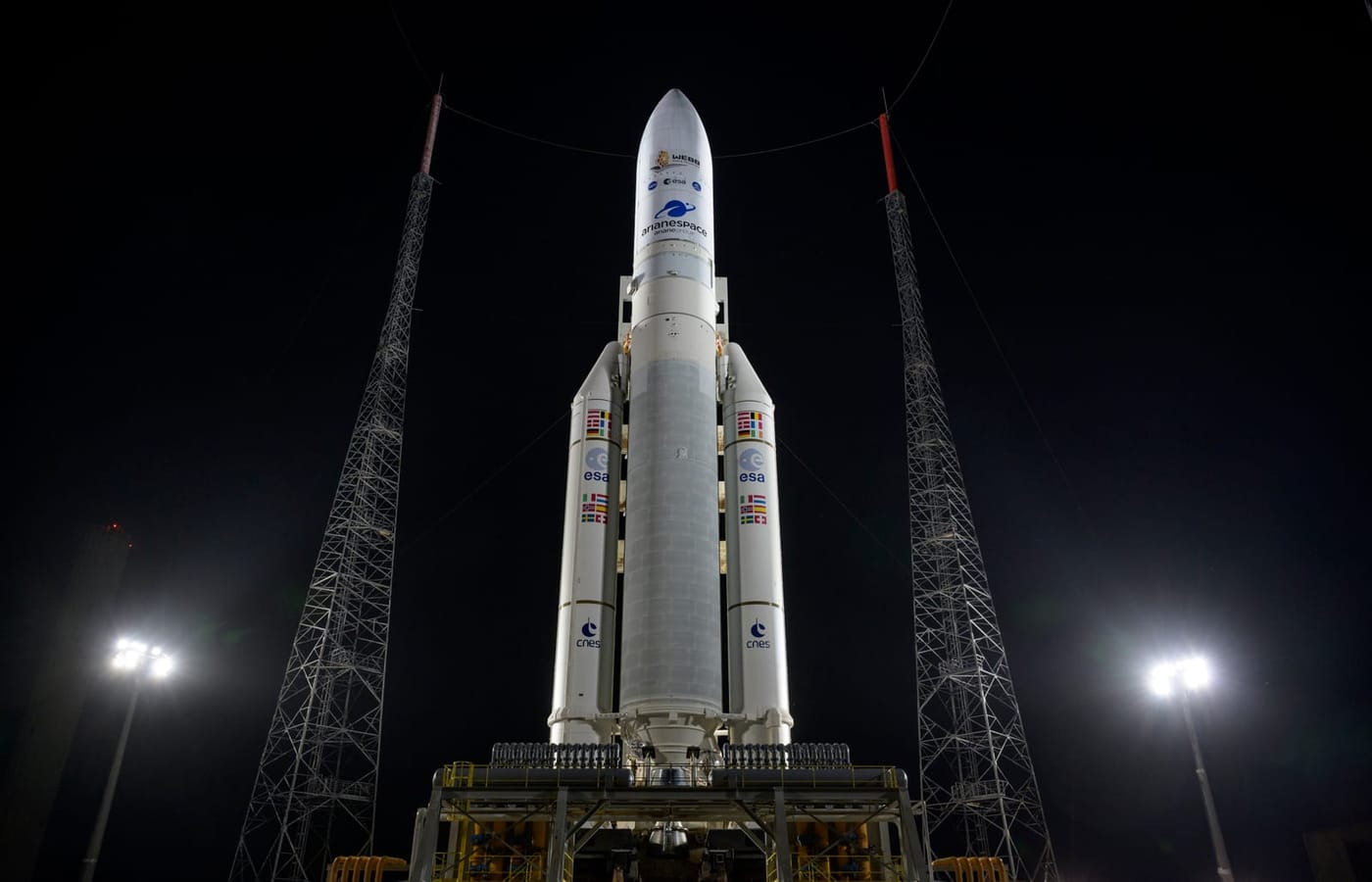
Ariane 5 with James Webb Space Telescope Prelaunch
NASA · NASA media (public domain)
Continue the atlas
Curated next objects
Arianespace
Arianespace is a European launch service provider that markets and operates launches of the Ariane family of rockets from the Guiana Space Centre.
space missionBepiColombo
BepiColombo is a joint ESA–JAXA mission of two orbiters travelling to Mercury, arriving in the mid-2020s.
space missionJUICE (Jupiter Icy Moons Explorer)
JUICE is ESA's mission to study Jupiter's icy moons Ganymede, Callisto, and Europa.
space missionRosetta
Comet orbiter & lander · ESA · launched 2004.
space telescopeJames Webb Space Telescope
launch vehicleAriane 4
A highly successful and flexible Ariane variant with multiple booster configurations that dominated the commercial launch market in the 1990s.
Observation
How this was captured
- Source
- NASA
- Observation date
- 2012-04-30
Gallery
Ariane 5 with James Webb Space Telescope Prelaunch
Arianespace's Ariane 5 rocket with NASA’s James Webb Space Telescope onboard, is seen at the launch pad, Thursday, Dec.
2021
NASA · NASA media (public domain)
Data
Scientific data & provenance
Data & provenance
- Stable ID
launch_vehicle:ariane-5- Type
- Launch vehicle
- Domain
- Scientific connections
- Relationships
- 15
- Graph version
- 1.0.0
Dataset membership
Open data
In the graph export: graph.json · graph.jsonld
Planned API: GET /api/v0/entities/launch_vehicle:ariane-5
Scientific quality
Substantial5 of 7 applicable dimensions complete, 1 partial
- Description
- Complete
- Source coverage
- Partial
- Relationship coverage
- Complete
- Review coverage
- Complete
- Citation coverage
- Complete
- Image coverage
- Complete
- Timeline coverage
- None
Scientific entity. Dimensions that cannot apply to this object are excluded rather than counted as gaps. See the evidence framework and authority dashboard.
Provenance & sources
review 2026.1Asteria Scientific Review Process · verification: sourced · accurate
- High evidenceconfirmed
Ariane 5 was a European heavy-lift rocket operated by Arianespace, powered by a Vulcain 2 cryogenic core with two solid boosters; it launched the James Webb Space Telescope in 2021 before retiring in 2023.
Source: European Space Agency · ESA standard terms
Reviewed by the internal Asteria Scientific Review Process — not an external institutional review. See the evidence framework and authority dashboard.
You might also explore
- Launch siteGuiana Space CentreLinked through BepiColombo
- Comet67P/Churyumov–GerasimenkoLinked through Rosetta
- OrganizationESALinked through BepiColombo
- Launch vehicleAriane 3Linked through Arianespace
- PropellantLH2 / LOXLinked through Ariane 5 core stage (EPC)
- Launch vehicleAriane 1Linked through Arianespace
Sources & references
The primary and reference sources this topic draws on.
- ESAEuropean Space Agency
European missions, observatories, and space science imagery.