Space mission
Hera
ESA's planetary-defense mission to the Didymos–Dimorphos binary, launched in 2024 to survey the aftermath of NASA's DART impact in detail.
- Type
- Space mission
- Domain
- Scientific connections
- Connections
- 10
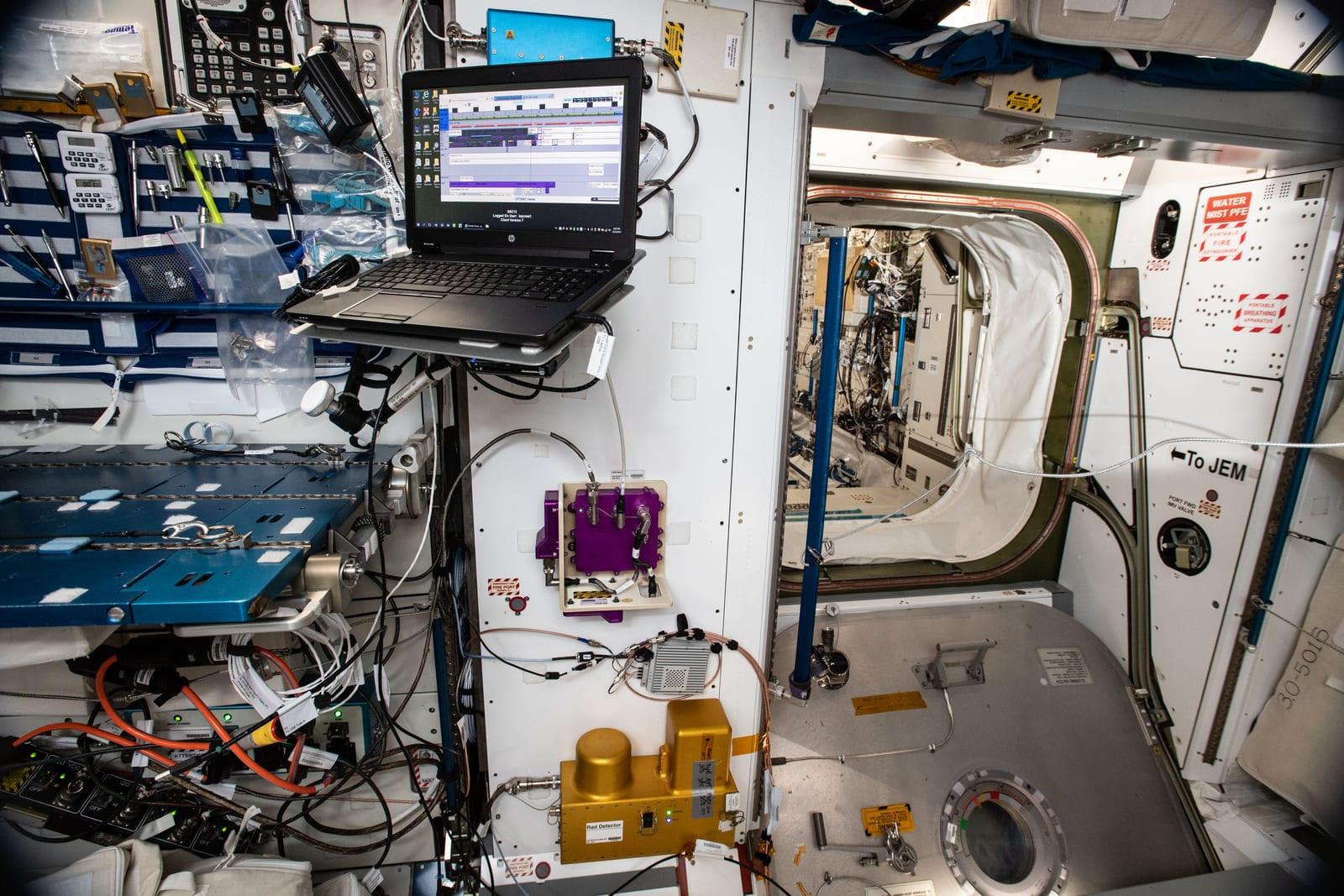
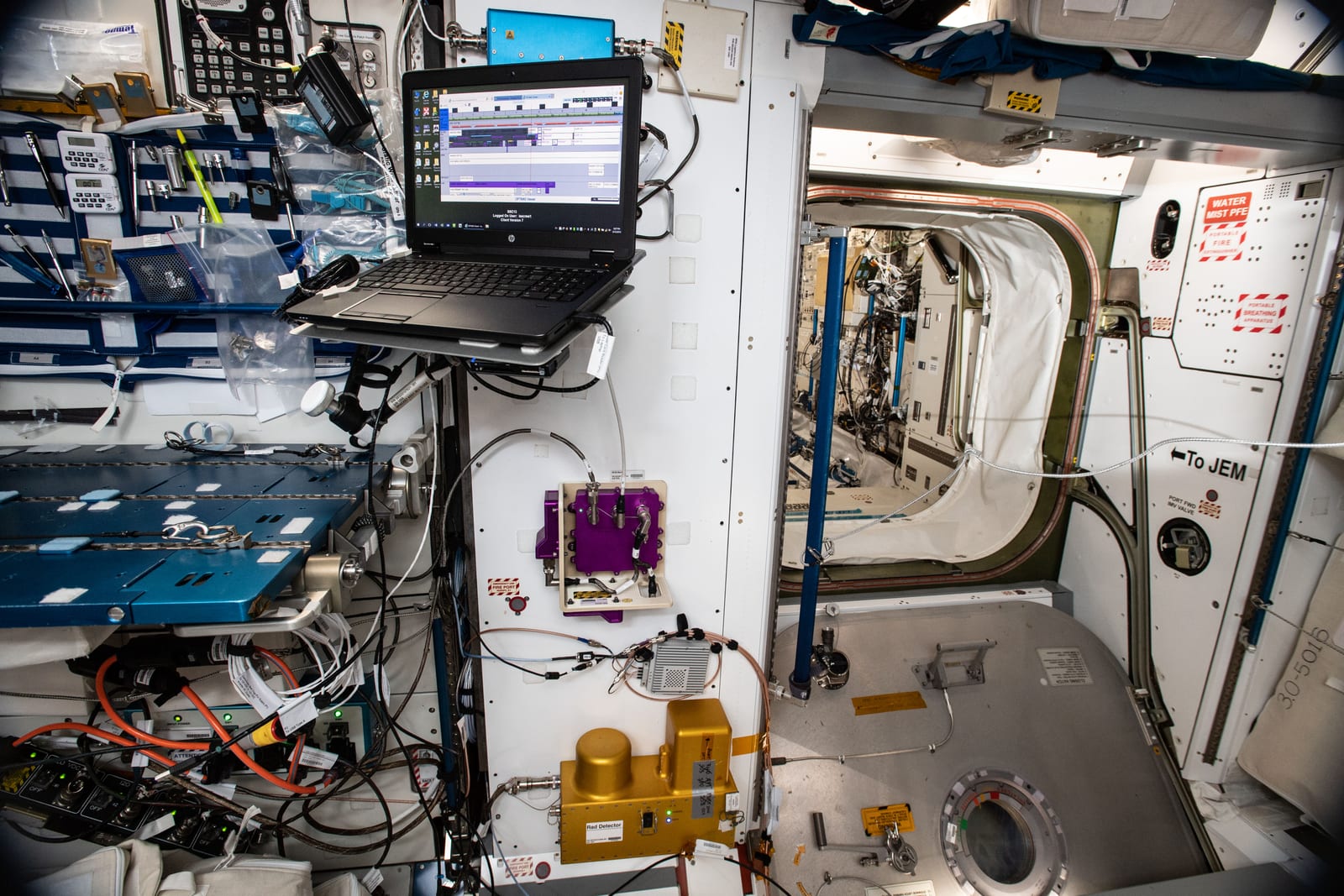
NASA/Johnson · NASA media (public domain)
- Type: Space mission
- Domain: Scientific connections
Experience system V6
Mission dossier
A mission-story layout that emphasizes target bodies, spacecraft, timeline, agency, and evidence-backed status.
- 01
Observe
NASA imagery anchors the visual reading with licensed source metadata.
- 02
Measure
Measurement panels use graph coverage, catalog identifiers, and source availability without inventing values.
- 03
Locate
Target of 65803 Didymos.
- 04
Connect
10 graph relations shape the knowledge viewport.
- Object type
- Space mission
- Graph relations
- 10
- Verified sources
- 1
- Image records
- 1
- Domain
- Scientific connections
- Status
- Graph entity
Scientific map
Mission context
- Target of
65803 Didymos
- Target of
Dimorphos
- Member of group
Orbiter Mission
- Member of group
Rendezvous Mission
Original SVG diagram
Mission architecture
- Agency
- Not recorded
- Launch year
- Not recorded
- Mission type
- Not recorded
- Status
- Not recorded
Visual knowledge graph
Relationships, not isolated facts
This viewport is generated from the Asteria knowledge graph. Science, culture, and interpretive links remain separated by domain so visual context never changes the evidentiary meaning of a relation.
- Target of65803 Didymos
- Associated withAIDA
- Associated withCharacterization
- Target ofDimorphos
- Operated byESA
- Tracked byESTRACK
- Launched byFalcon 9
- Associated withKinetic Impactor
Image provenance
Photography as evidence
Continue the atlas
Curated next objects
65803 Didymos
A near-Earth binary asteroid whose small moon, Dimorphos, was struck by NASA's DART in 2022 — humanity's first test of asteroid deflection.
asteroidDimorphos
The small moon of the near-Earth asteroid Didymos and the impact target of NASA's DART mission — the first object whose orbit humans deliberately changed. ESA's Hera will survey the aftermath.
mission classOrbiter Mission
A spacecraft that enters orbit around a small body to map it globally over time — NEAR at Eros, Dawn at Vesta and Ceres, Rosetta at comet 67P.
mission classRendezvous Mission
A spacecraft that matches a small body's orbit and stays with it for an extended study, rather than flying past. Rendezvous enables detailed mapping and, often, orbiting or landing.
launch vehicleFalcon 9
Falcon 9 is a partially reusable two-stage orbital launch vehicle developed and operated by SpaceX.
organizationESA
Observation
How this was captured
- Source
- NASA
- Observation date
- 2019-02-13
Data
Scientific data & provenance
Data & provenance
- Stable ID
space_mission:hera- Type
- Space mission
- Domain
- Scientific connections
- Relationships
- 10
- Graph version
- 1.0.0
Dataset membership
Open data
In the graph export: graph.json · graph.jsonld
Planned API: GET /api/v0/entities/space_mission:hera
Scientific quality
Partial3 of 7 applicable dimensions complete, 1 partial
- Description
- Complete
- Source coverage
- Partial
- Relationship coverage
- Complete
- Review coverage
- None
- Citation coverage
- None
- Image coverage
- Complete
- Timeline coverage
- None
Scientific entity. Dimensions that cannot apply to this object are excluded rather than counted as gaps. See the evidence framework and authority dashboard.
You might also explore
- Space missionDARTLinked through 65803 Didymos
- Space missionRosettaLinked through Orbiter Mission
- Space missionAIM (concept)Linked through Orbiter Mission
- Space missionDawnLinked through Orbiter Mission
- Space missionNEAR ShoemakerLinked through Orbiter Mission
- Space missionOSIRIS-RExLinked through Orbiter Mission
Sources & references
The primary and reference sources this topic draws on.
- ESAEuropean Space Agency
European missions, observatories, and space science imagery.