Observatory
Palomar Observatory
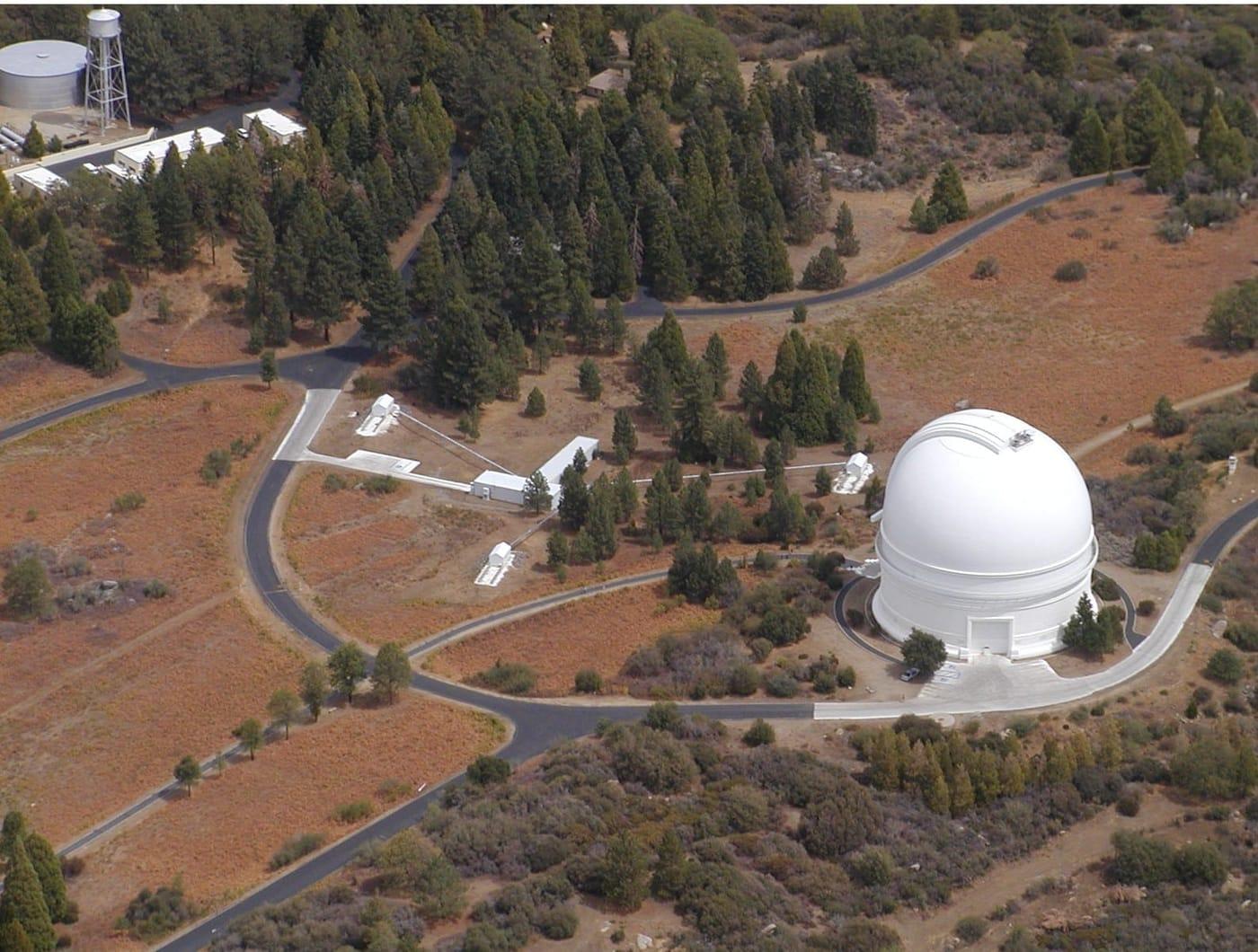
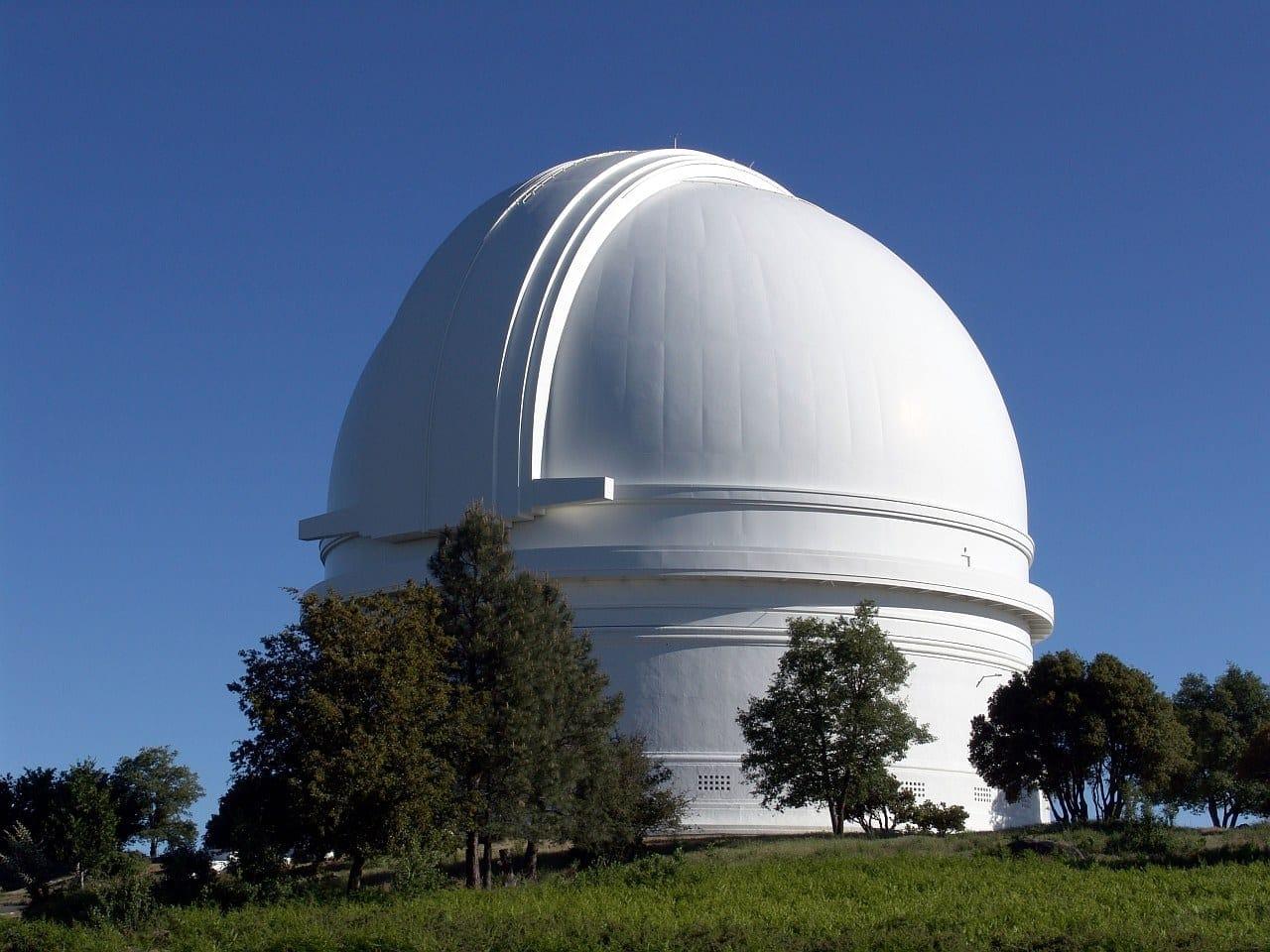
Palomar Observatory is an astronomical observatory in California, home to the historic 200-inch Hale Telescope.
- Type
- Observatory
- Domain
- Scientific connections
- Connections
- 8
Gerard T. van Belle · Public domain
- Type: Observatory
- Domain: Scientific connections
Experience system V6
Observatory scientific profile
A graph-grounded scientific layout that adapts to available evidence, imagery, relations, and source coverage.
- 01
Observe
WIKIMEDIA imagery anchors the visual reading with licensed source metadata.
- 02
Measure
Measurement panels use graph coverage, catalog identifiers, and source availability without inventing values.
- 03
Locate
Studies Andromeda Galaxy.
- 04
Connect
8 graph relations shape the knowledge viewport.
- Object type
- Observatory
- Graph relations
- 8
- Verified sources
- 1
- Image records
- 2
- Domain
- Scientific connections
- Status
- Graph entity
Scientific map
Ground context
- Studies
Andromeda Galaxy
- Operated by
Caltech/IPAC
- Observes
Visible light
- Observes
Near-infrared
Original SVG diagram
Observation system
- Object class
- Observatory
- Catalog numbers
- Not recorded
- Graph relations
- 8
- Sources
- 1
Visual knowledge graph
Relationships, not isolated facts
This viewport is generated from the Asteria knowledge graph. Science, culture, and interpretive links remain separated by domain so visual context never changes the evidentiary meaning of a relation.
- StudiesAndromeda Galaxy
Imaged by the 200-inch Hale Telescope.
- Operated byCaltech/IPAC
- Workplace ofFritz Zwicky
- IncludesHale Telescope
- Workplace ofMaarten Schmidt
- ObservesNear-infrared
- Discovery facility forThe Discovery of Quasars
- ObservesVisible light
Image provenance
Photography as evidence


Continue the atlas
Curated next objects
Andromeda Galaxy
The nearest large spiral galaxy to the Milky Way and the most distant object readily visible to the naked eye.
organizationCaltech/IPAC
IPAC at Caltech provides science operations and data archives for many infrared and survey missions, including Spitzer and WISE.
wavelength bandVisible light
Visible light is the band the human eye sees and the traditional domain of optical telescopes.
wavelength bandNear-infrared
The near-infrared bridges visible and thermal infrared light, key for studying the early universe and exoplanet atmospheres.
telescopeHale Telescope
The 200-inch Hale Telescope at Palomar was the largest in the world for decades and remains a workhorse of optical astronomy.
astronomerFritz Zwicky
Fritz Zwicky was a brilliant, combative astrophysicist at Caltech. In 1933 he measured the motions of galaxies in the Coma cluster and concluded that vast amounts of invisible 'dark matter' must be holding them together — a finding ignored…
Observation
How this was captured
- Source
- WIKIMEDIA
Data
Scientific data & provenance
Data & provenance
- Stable ID
observatory:palomar-observatory- Type
- Observatory
- Domain
- Scientific connections
- Relationships
- 8
- Graph version
- 1.0.0
Dataset membership
Open data
In the graph export: graph.json · graph.jsonld
Planned API: GET /api/v0/entities/observatory:palomar-observatory
Scientific quality
Partial3 of 6 applicable dimensions complete, 1 partial
- Description
- Complete
- Source coverage
- Partial
- Relationship coverage
- Complete
- Review coverage
- None
- Citation coverage
- None
- Image coverage
- Complete
- Timeline coverage
- Not applicable
Scientific entity. Dimensions that cannot apply to this object are excluded rather than counted as gaps. See the evidence framework and authority dashboard.
You might also explore
- Space telescopeHubble Space TelescopeLinked through Andromeda Galaxy
- ObservatoryGemini ObservatoryLinked through Andromeda Galaxy
- ObservatoryW. M. Keck ObservatoryLinked through Visible light
- Sky surveyDark Energy SurveyLinked through Visible light
- Space telescopeEuclidLinked through Visible light
- TelescopeGran Telescopio CanariasLinked through Visible light
Sources & references
The primary and reference sources this topic draws on.
- NASANational Aeronautics and Space Administration
Mission data, planetary science, space telescopes, and public-domain imagery.
Most NASA-produced imagery is in the public domain; individual items are checked for usage terms before publication.