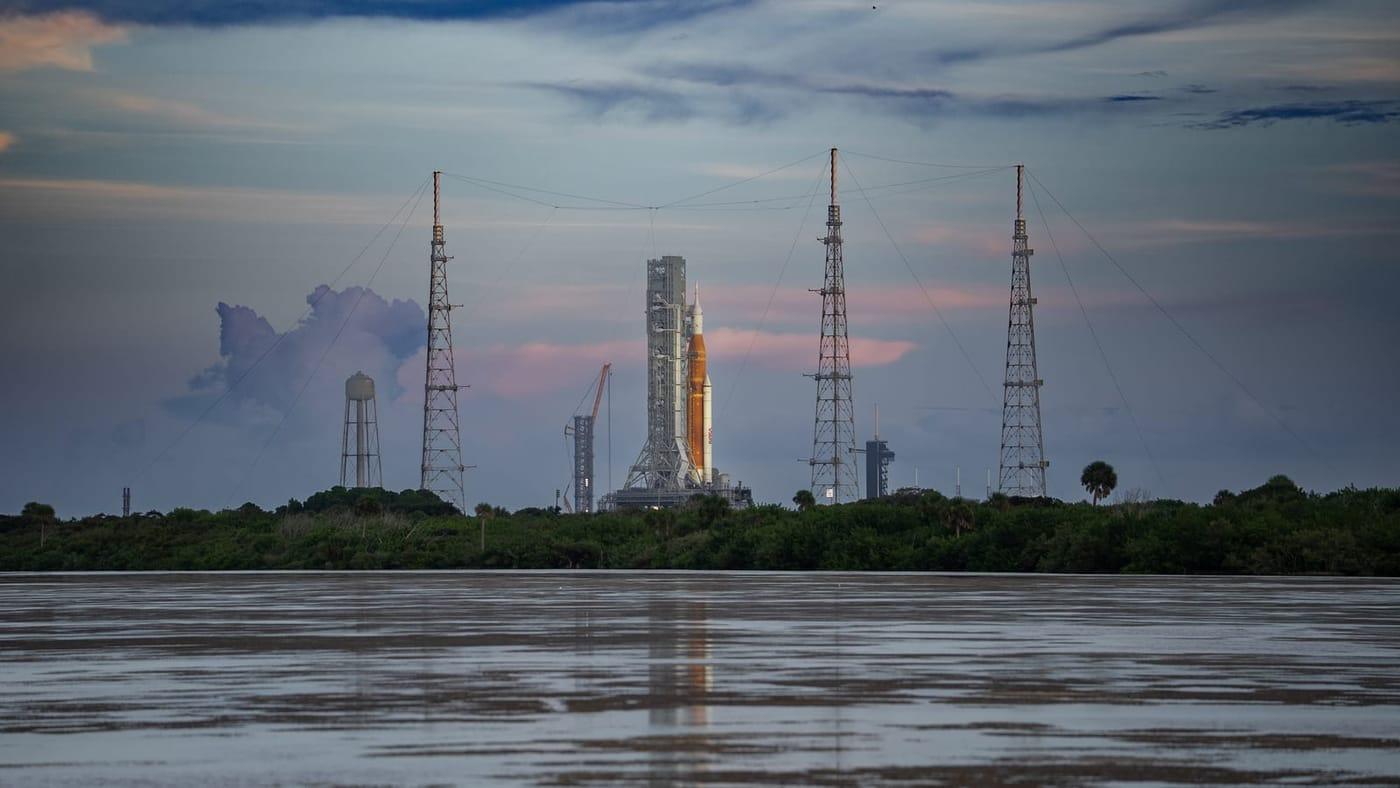
Launch vehicle
Space Launch System (SLS)
The Space Launch System is NASA's super heavy-lift launch vehicle developed to carry the Orion spacecraft and crew under the Artemis program.
- Type
- Launch vehicle
- Domain
- Scientific connections
- Connections
- 10
NASA/Marshall · NASA media (public domain)
- Type: Launch vehicle
- Domain: Scientific connections
Experience system V6
Rocket engineering profile
A vehicle-first layout for staging, launch context, organizations, and mission graph relations.
- 01
Observe
NASA imagery anchors the visual reading with licensed source metadata.
- 02
Measure
Measurement panels use graph coverage, catalog identifiers, and source availability without inventing values.
- 03
Locate
Operated by NASA.
- 04
Connect
10 graph relations shape the knowledge viewport.
- Object type
- Launch vehicle
- Graph relations
- 10
- Verified sources
- 1
- Image records
- 4
- Domain
- Scientific connections
- Status
- Graph entity
Scientific map
Mission context
- Operated by
NASA
- Launched
Artemis I
- Replaced
Saturn V
- Member of family
Space Launch System
Original SVG diagram
Mission architecture
- Agency
- Not recorded
- Launch year
- Not recorded
- Mission type
- Not recorded
- Status
- Not recorded
Visual knowledge graph
Relationships, not isolated facts
This viewport is generated from the Asteria knowledge graph. Science, culture, and interpretive links remain separated by domain so visual context never changes the evidentiary meaning of a relation.
- LaunchedArtemis I
- Part of programArtemis program
- Launched fromLaunch Complex 39B
- Operated byNASA
- Powered byRS-25
- ReplacedSaturn V
- Has stageSLS Core Stage
- Has stageSLS Solid Rocket Booster
Image provenance
Photography as evidence
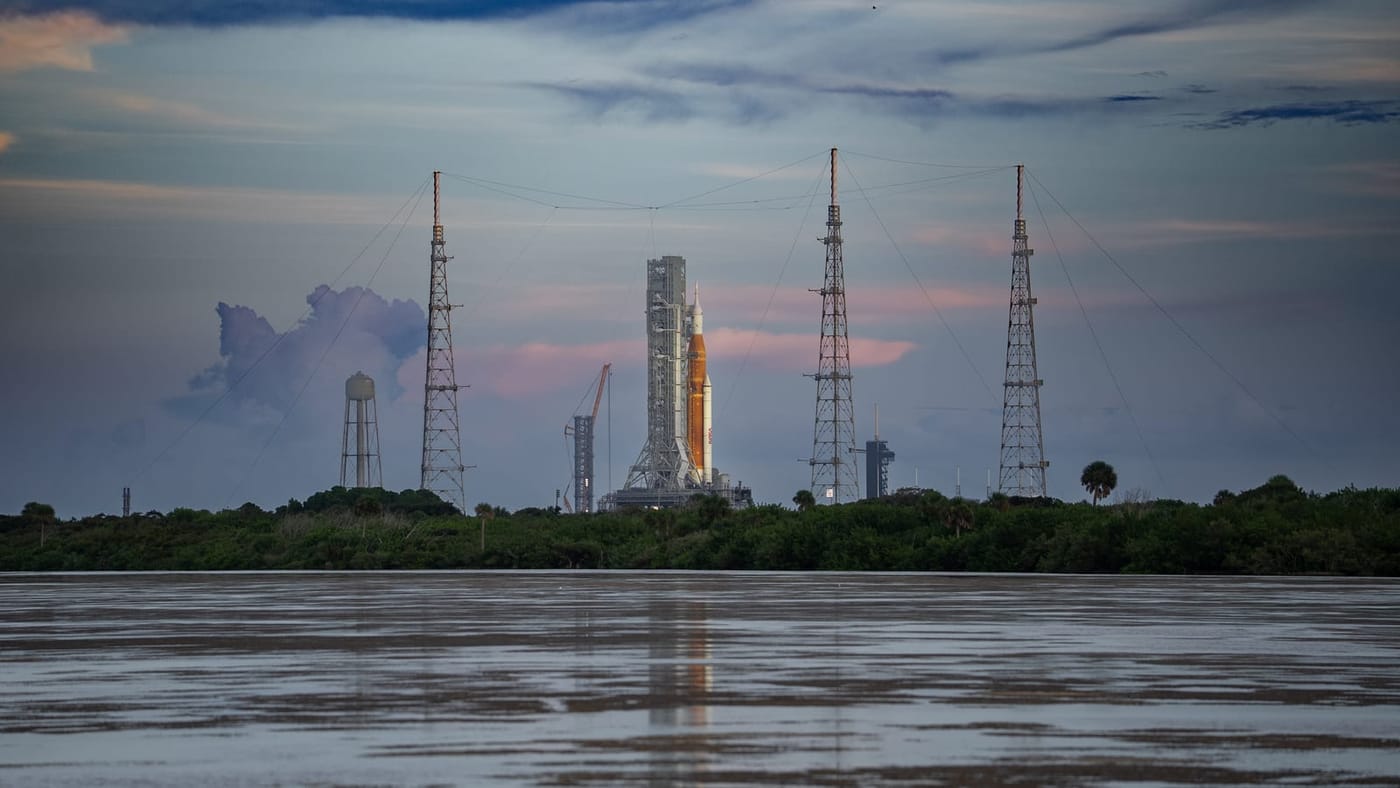
Artemis I Space Launch System
NASA/Marshall · NASA media (public domain)
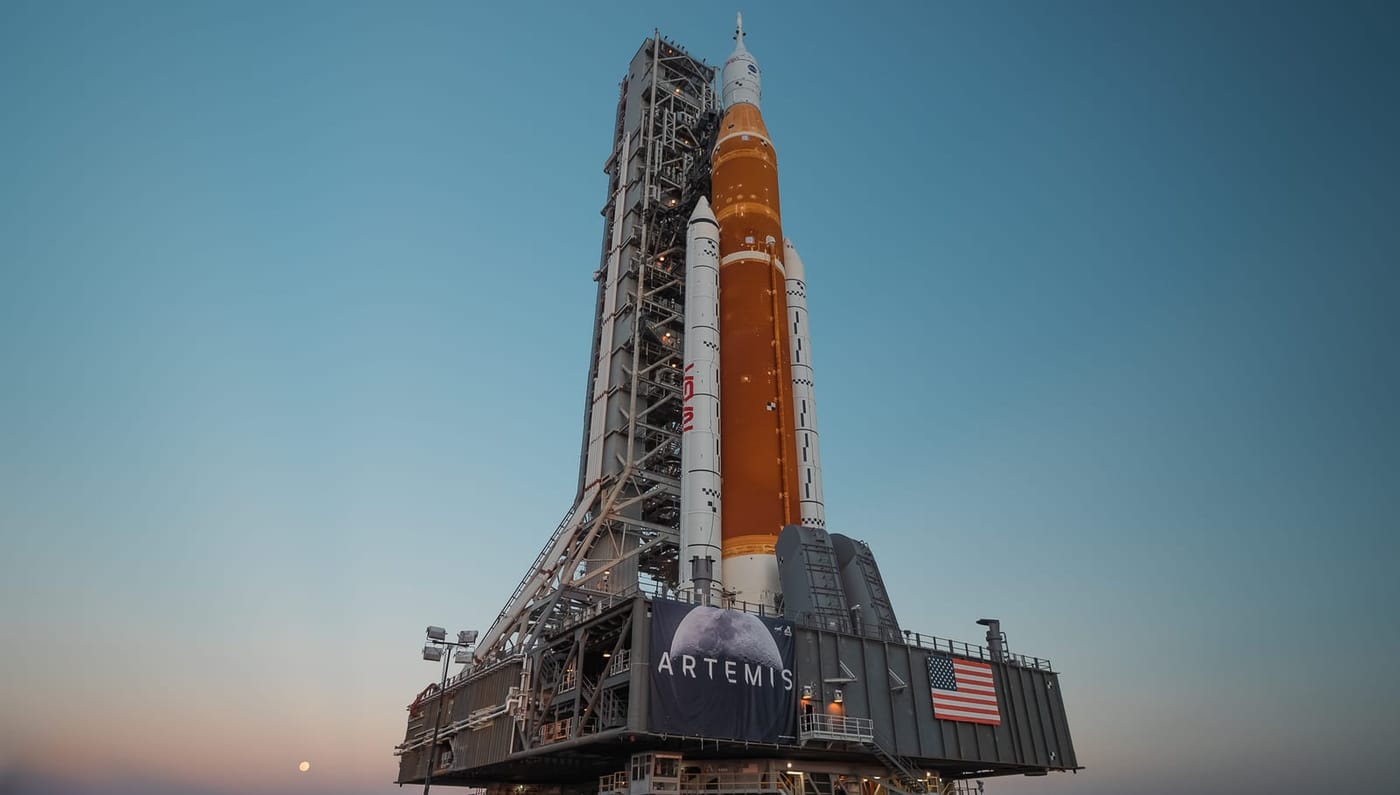
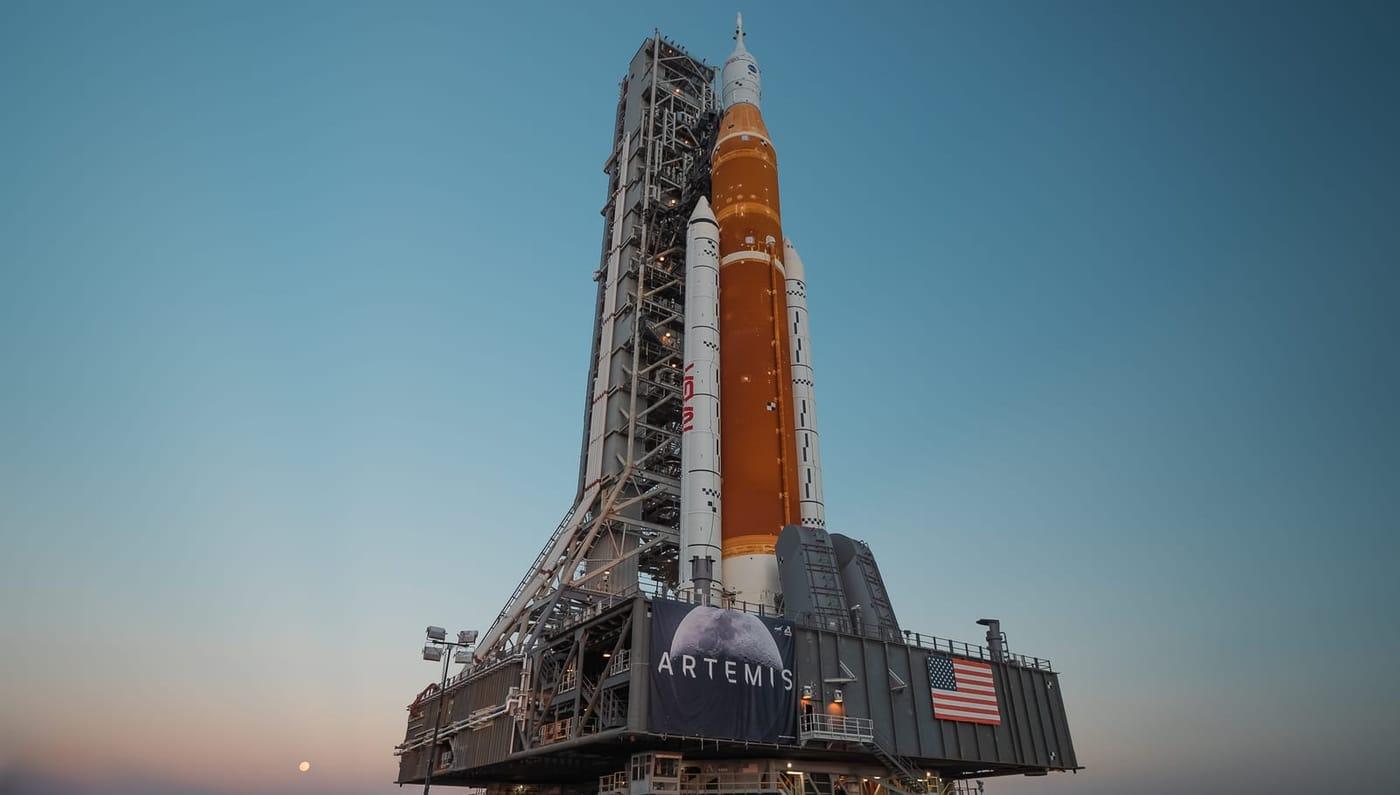
Space Launch System (SLS) rocket and Orion Spacecraft rollout at Kennedy Space Center
NASA/Marshall · NASA media (public domain)
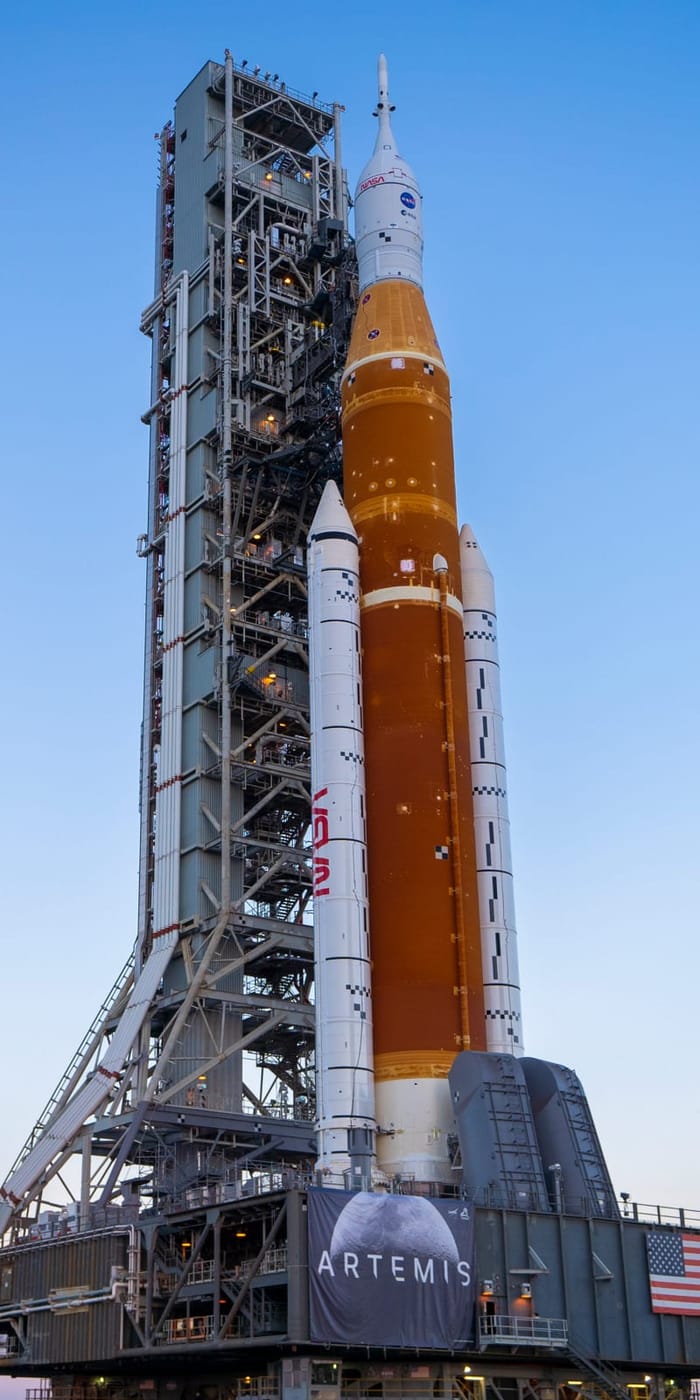
Space Launch System (SLS) rocket and Orion Spacecraft rollout at Kennedy Space Center
n/a · NASA media (public domain)
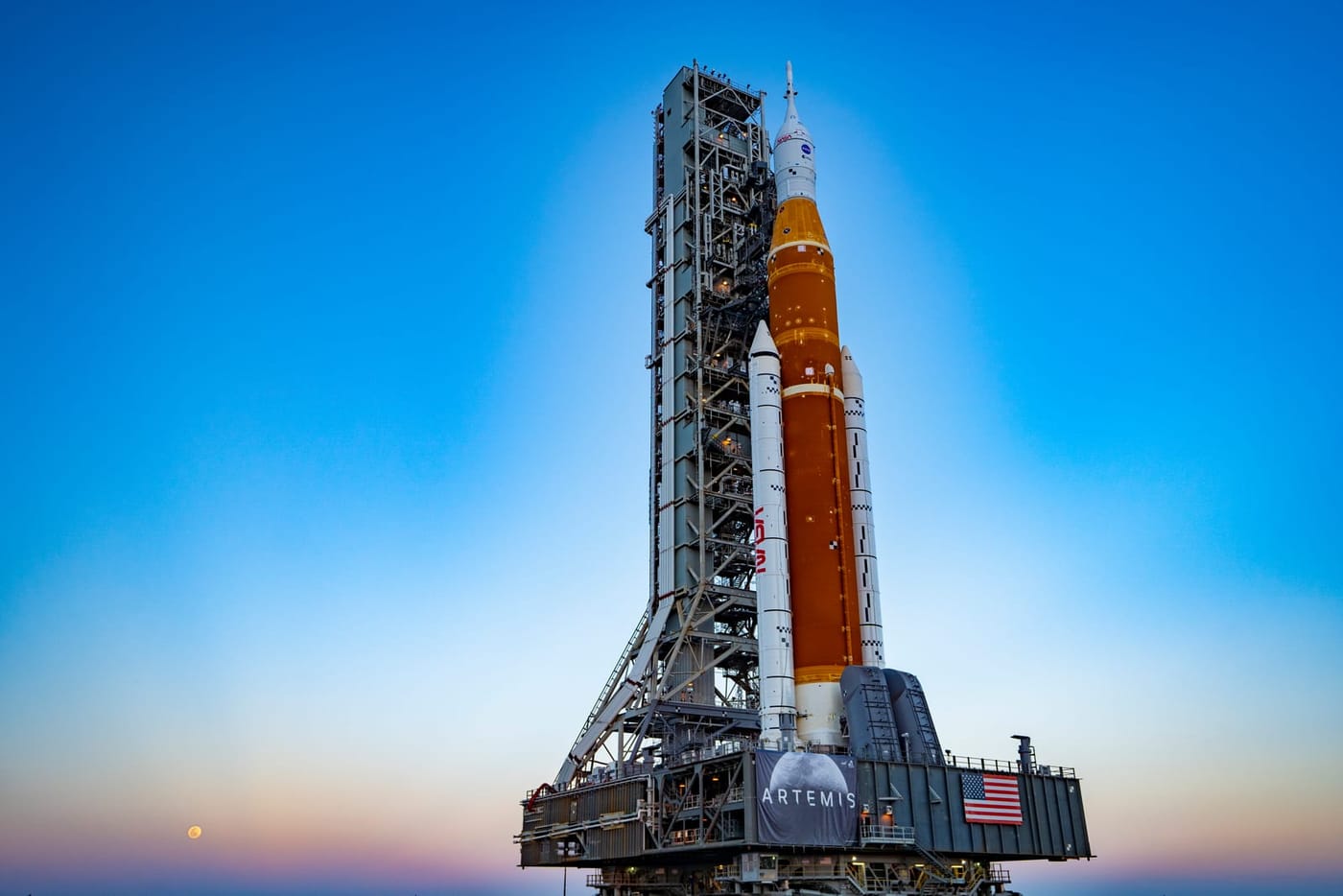
Space Launch System (SLS) rocket and Orion Spacecraft rollout at Kennedy Space Center
n/a · NASA media (public domain)
Continue the atlas
Curated next objects
NASA
space missionArtemis I
Artemis I was the uncrewed first flight of the SLS rocket and Orion spacecraft on a path around the Moon.
launch vehicleSaturn V
The Saturn V was a NASA super heavy-lift launch vehicle that carried the Apollo missions to the Moon and launched the Skylab space station.
rocket familySpace Launch System
NASA's super-heavy-lift family for the Artemis program, planned in progressively more capable Block 1, Block 1B, and Block 2 configurations.
mission programArtemis program
Artemis is NASA's programme to return humans to the Moon and establish a sustainable lunar presence, in partnership with international and commercial partners.
launch padLaunch Complex 39B
A Kennedy Space Center pad used for Apollo, Skylab, and Shuttle launches and rebuilt as a clean-pad for NASA's Space Launch System.
Observation
How this was captured
- Source
- NASA
- Observation date
- 2022-08-25
Gallery
Space Launch System (SLS) rocket and Orion Spacecraft rollout at Kennedy Space Center
2022
n/a · NASA media (public domain)
Data
Scientific data & provenance
Data & provenance
- Stable ID
launch_vehicle:space-launch-system- Type
- Launch vehicle
- Domain
- Scientific connections
- Relationships
- 10
- Graph version
- 1.0.0
Dataset membership
Open data
In the graph export: graph.json · graph.jsonld
Planned API: GET /api/v0/entities/launch_vehicle:space-launch-system
Scientific quality
Substantial5 of 7 applicable dimensions complete, 1 partial
- Description
- Complete
- Source coverage
- Partial
- Relationship coverage
- Complete
- Review coverage
- Complete
- Citation coverage
- Complete
- Image coverage
- Complete
- Timeline coverage
- None
Scientific entity. Dimensions that cannot apply to this object are excluded rather than counted as gaps. See the evidence framework and authority dashboard.
Provenance & sources
review 2026.1Asteria Scientific Review Process · verification: sourced · accurate
- High evidenceconfirmed
The Space Launch System is NASA's super heavy-lift rocket for the Artemis program; its Block 1 configuration launched the uncrewed Artemis I around the Moon in 2022 and places roughly 95 tonnes into low Earth orbit.
Source: NASA Science · Public domain (US Government work)
Reviewed by the internal Asteria Scientific Review Process — not an external institutional review. See the evidence framework and authority dashboard.
You might also explore
Sources & references
The primary and reference sources this topic draws on.
- NASANational Aeronautics and Space Administration
Mission data, planetary science, space telescopes, and public-domain imagery.
Most NASA-produced imagery is in the public domain; individual items are checked for usage terms before publication.