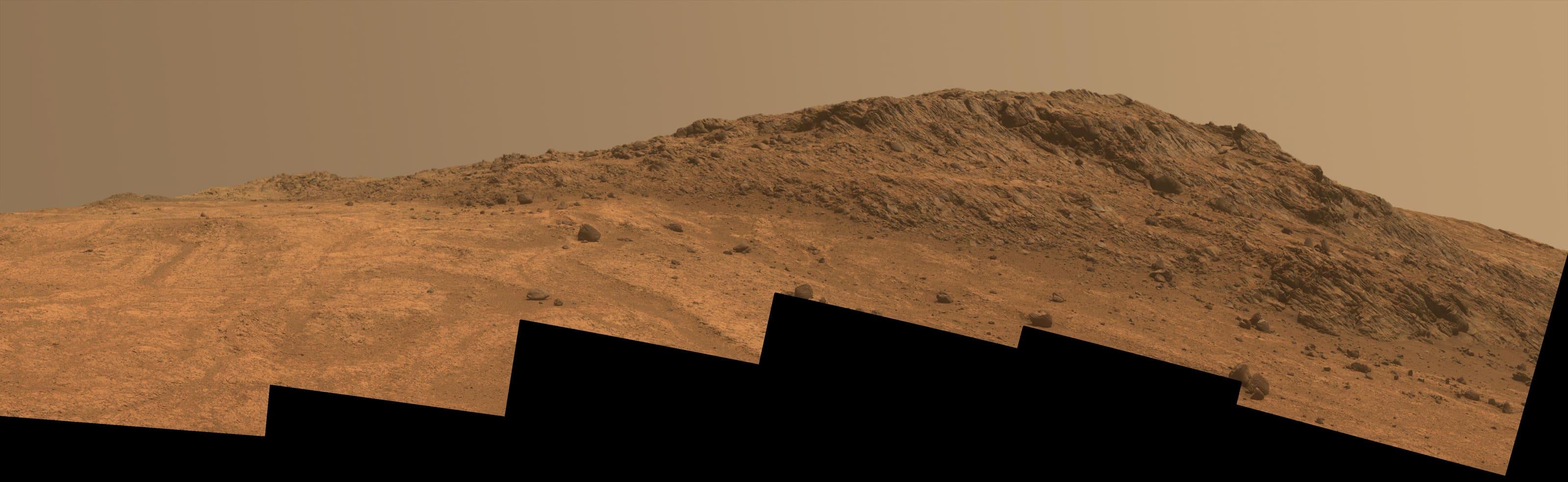
Planet · Terrestrial planet
Mars
- Type
- Terrestrial planet
- Diameter
- 6,792 km
- Distance from Sun
- 227.9 M km
- Surface gravity
- 3.7 m/s²
- Mean temp.
- -65 °C
- Moons
- 2
NASA/JPL-Caltech/Cornell Univ./Arizona State Univ. · NASA media (public domain)
Overview
Scientific overview
Mars is a terrestrial planet in orbit around The Sun, at a mean distance of 227.9 million km from the Sun.
Physical characteristics
- Mass
- 0.642 ×10²⁴ kg
- Diameter
- 6,792 km
- Radius
- 3,396 km
- Density
- 3.933 g/cm³
- Surface gravity
- 3.7 m/s²
- Escape velocity
- 5 km/s
- Rotation period
- 24.6 h
- Mean temperature
- -65 °C
Scale
Compared to Earth
Mars is 1.9× smaller than Earth
6,792 km across · Earth is 12,742 km
Orbit
- Distance from Sun
- 227.9 million km (1.523 AU)
- Orbital period
- 1.88 years
- Perihelion
- 206.6 million km
- Aphelion
- 249.2 million km
- Eccentricity
- 0.094
- Orbital inclination
- 1.9°
- Axial tilt
- 25.2°
- Orbital velocity
- 24.1 km/s
Gallery
Mars Celebration
The Mars celebration Saturday, June 1, 2019, in Mars, Pennsylvania.
2019
NASA · NASA media (public domain)
Observation
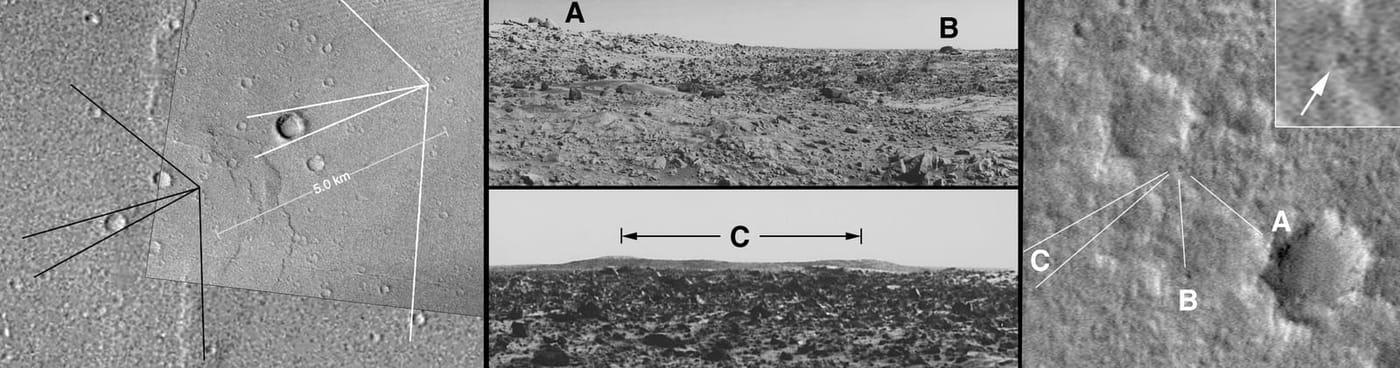
How this was captured
- Observatory / instrument
- Pancam
- Mission
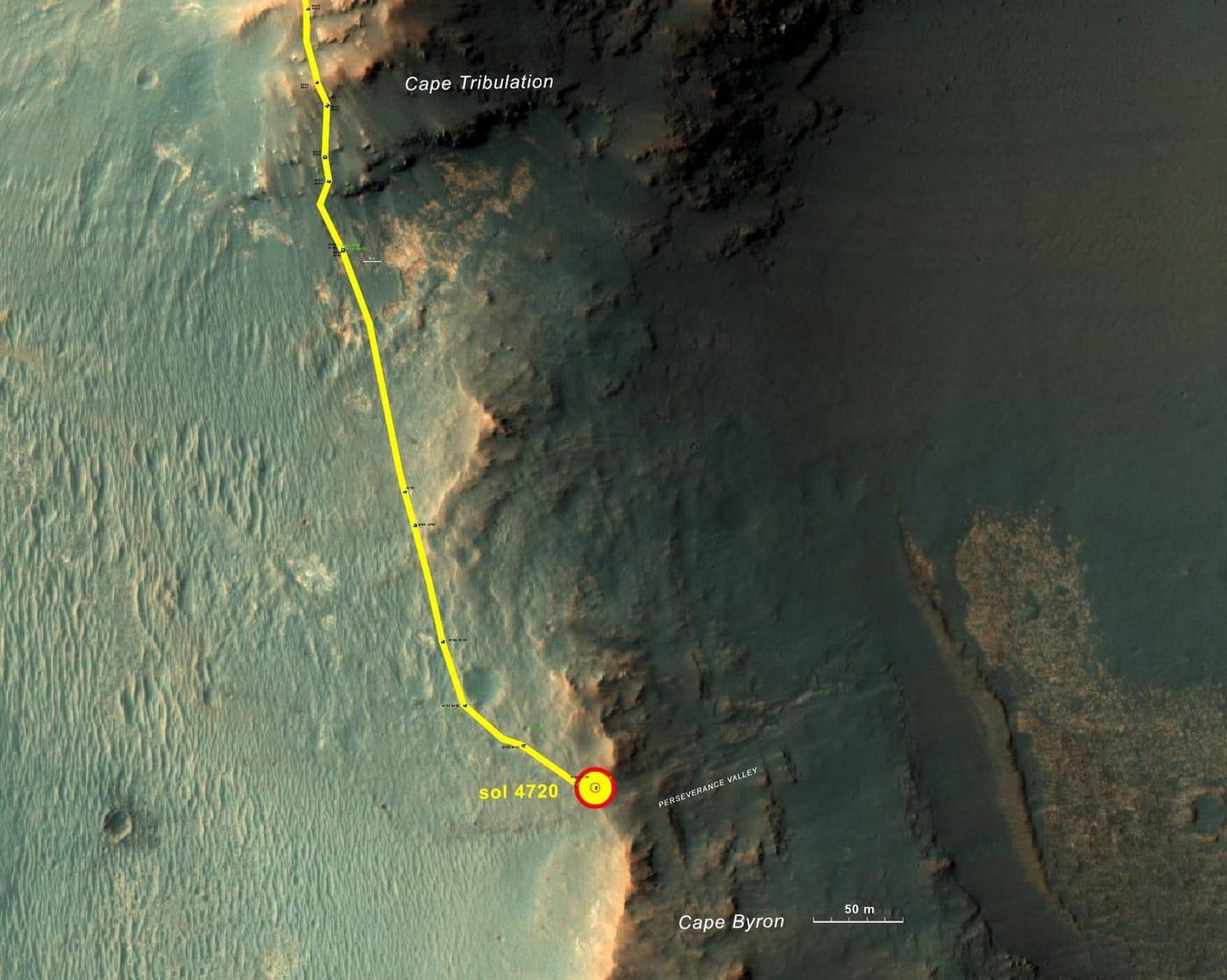
- Mars Exploration Rover Opportunity
- Source
- NASA
- Observation date
- 2015-09-25
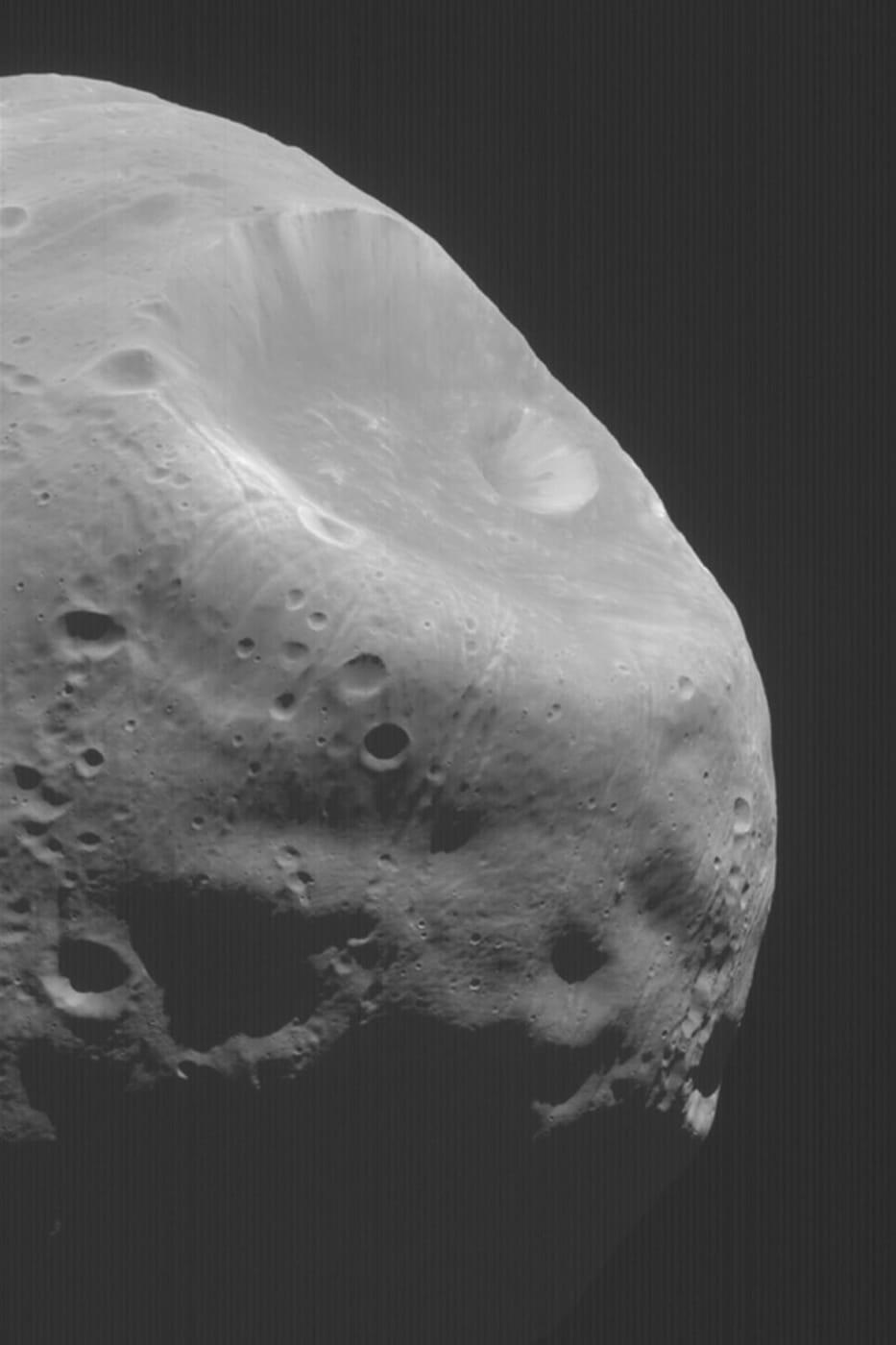
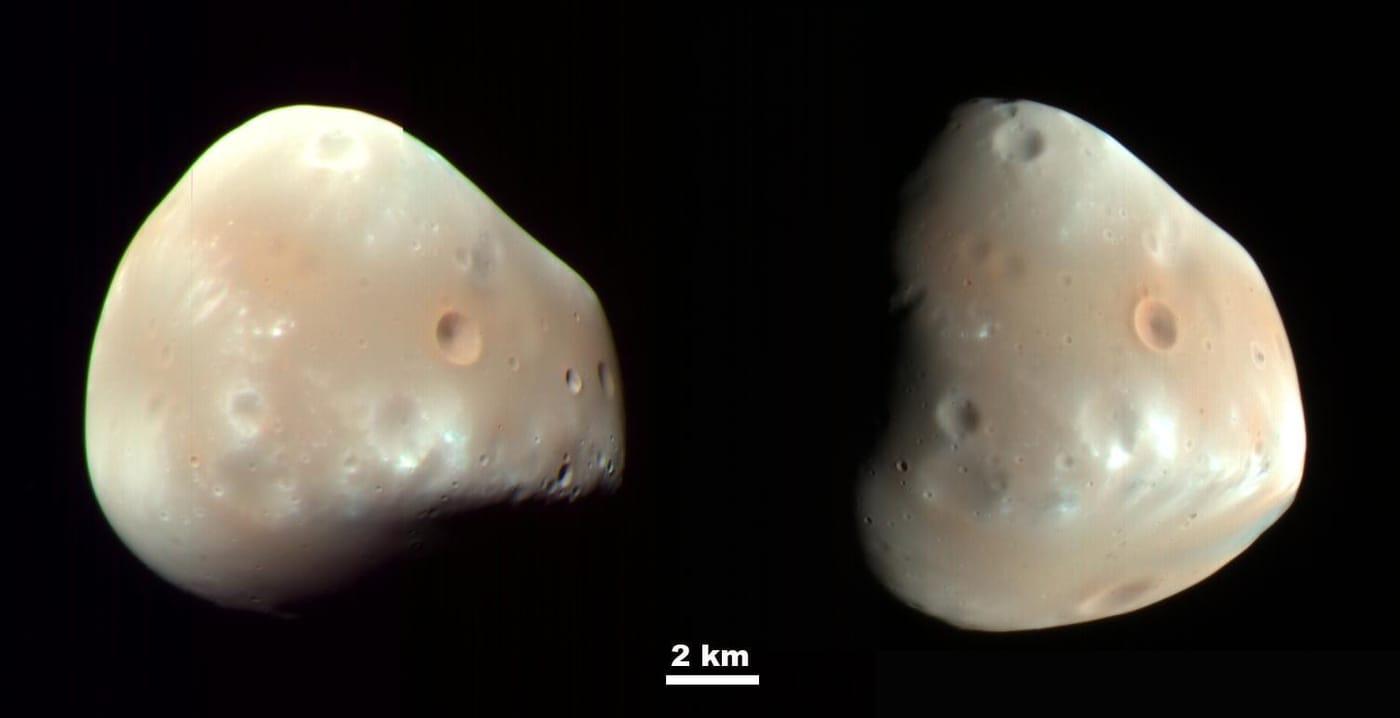
Moons (2)
Notable surface features
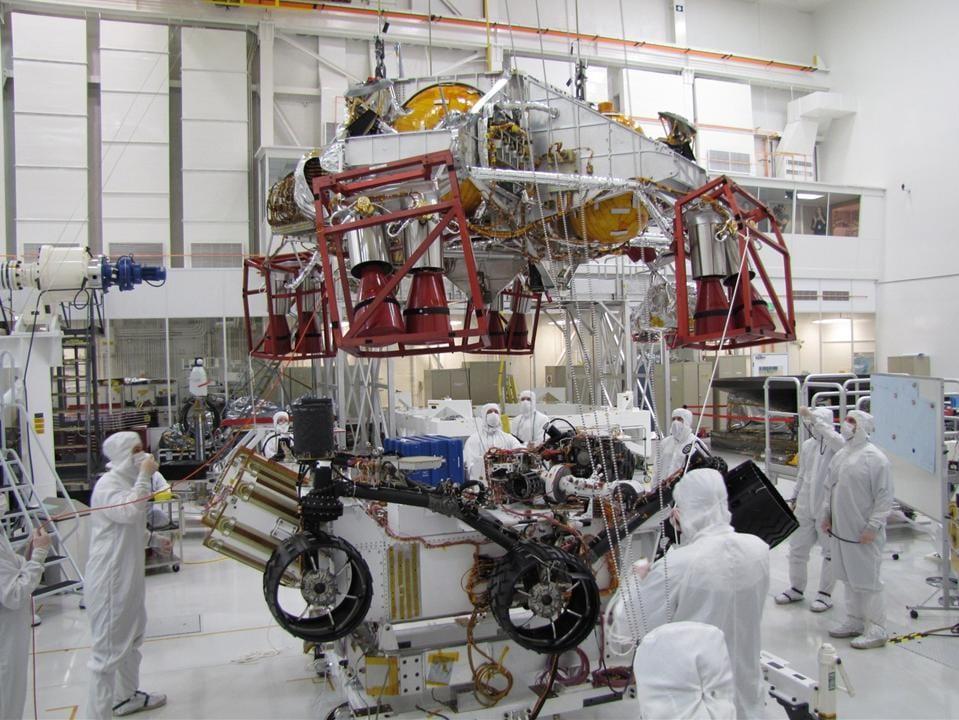
Exploration
Sources
The primary and reference sources this topic draws on.
- NASANational Aeronautics and Space Administration
Mission data, planetary science, space telescopes, and public-domain imagery.
Most NASA-produced imagery is in the public domain; individual items are checked for usage terms before publication.
- NASA JPLJet Propulsion Laboratory / Solar System Dynamics
Orbital data, ephemerides, and small-body parameters for planets, asteroids, and comets.