Launch vehicle
Starship
Starship is a fully reusable super heavy-lift launch system being developed by SpaceX for crewed and cargo missions to Earth orbit, the Moon, and Mars.
- Type
- Launch vehicle
- Domain
- Scientific connections
- Connections
- 3
NASA/Marshall · NASA media (public domain)
- Type: Launch vehicle
- Domain: Scientific connections
Experience system V6
Rocket engineering profile
A vehicle-first layout for staging, launch context, organizations, and mission graph relations.
- 01
Observe
NASA imagery anchors the visual reading with licensed source metadata.
- 02
Measure
Measurement panels use graph coverage, catalog identifiers, and source availability without inventing values.
- 03
Locate
Operated by SpaceX.
- 04
Connect
3 graph relations shape the knowledge viewport.
- Object type
- Launch vehicle
- Graph relations
- 3
- Verified sources
- 1
- Image records
- 4
- Domain
- Scientific connections
- Status
- Graph entity
Scientific map
Mission context
- Operated by
SpaceX
- Launched from
Orbital Launch Pad (Starbase)
- Powered by
Raptor
Original SVG diagram
Mission architecture
- Agency
- Not recorded
- Launch year
- Not recorded
- Mission type
- Not recorded
- Status
- Not recorded
Visual knowledge graph
Relationships, not isolated facts
This viewport is generated from the Asteria knowledge graph. Science, culture, and interpretive links remain separated by domain so visual context never changes the evidentiary meaning of a relation.
- Launched fromOrbital Launch Pad (Starbase)
- Powered byRaptor
- Operated bySpaceX
Image provenance
Photography as evidence
Continue the atlas
Curated next objects
SpaceX
SpaceX is an American aerospace company that designs, manufactures, and launches rockets and spacecraft.
launch padOrbital Launch Pad (Starbase)
SpaceX's orbital launch and catch complex at Starbase for the fully reusable Starship and Super Heavy.
rocket engineRaptor
SpaceX's methane/LOX full-flow staged-combustion engine for Starship and its Super Heavy booster — one of very few full-flow engines ever flown, designed for rapid reuse. Thrust has risen across versions.
launch siteStarbase
SpaceX's development and launch site in South Texas for the Starship super heavy-lift system.
launch vehicleFalcon 1
SpaceX's first rocket and the first privately developed liquid-fueled launcher to reach orbit, in 2008 — the proving ground for the Merlin engine.
launch vehicleFalcon 9
Falcon 9 is a partially reusable two-stage orbital launch vehicle developed and operated by SpaceX.
Observation
How this was captured
- Source
- NASA
- Observation date
- 2001-01-01
Gallery
Around Marshall
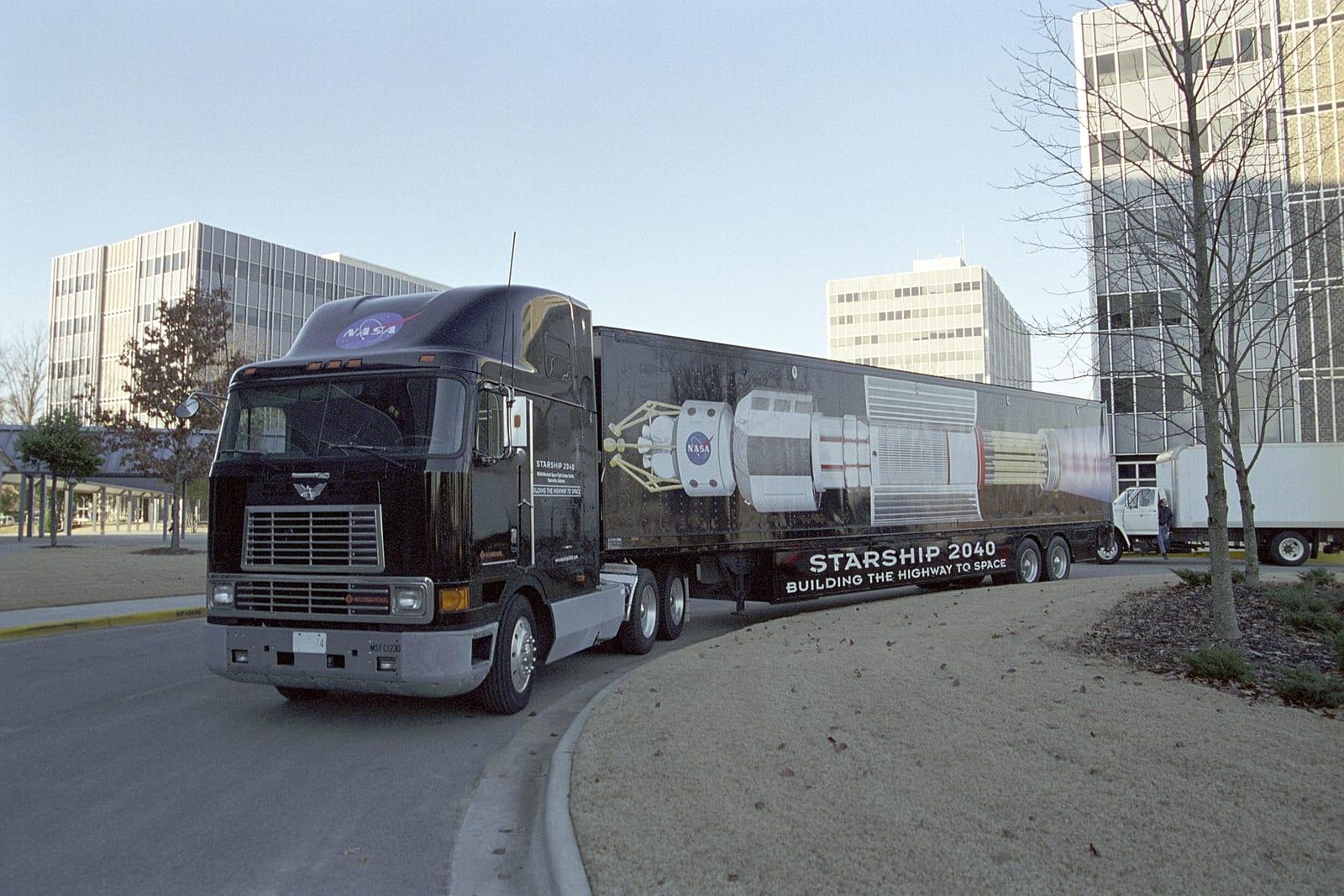
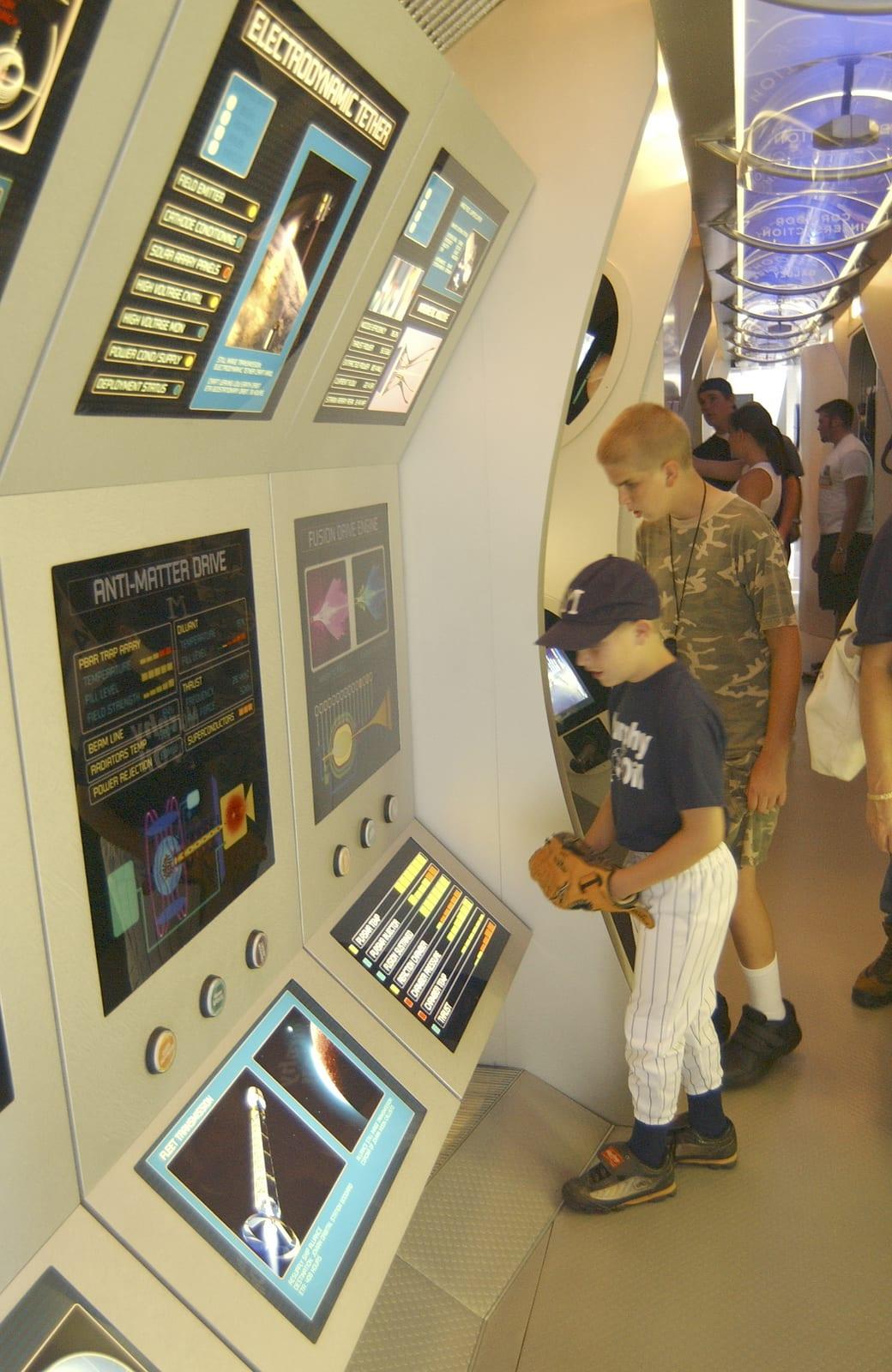
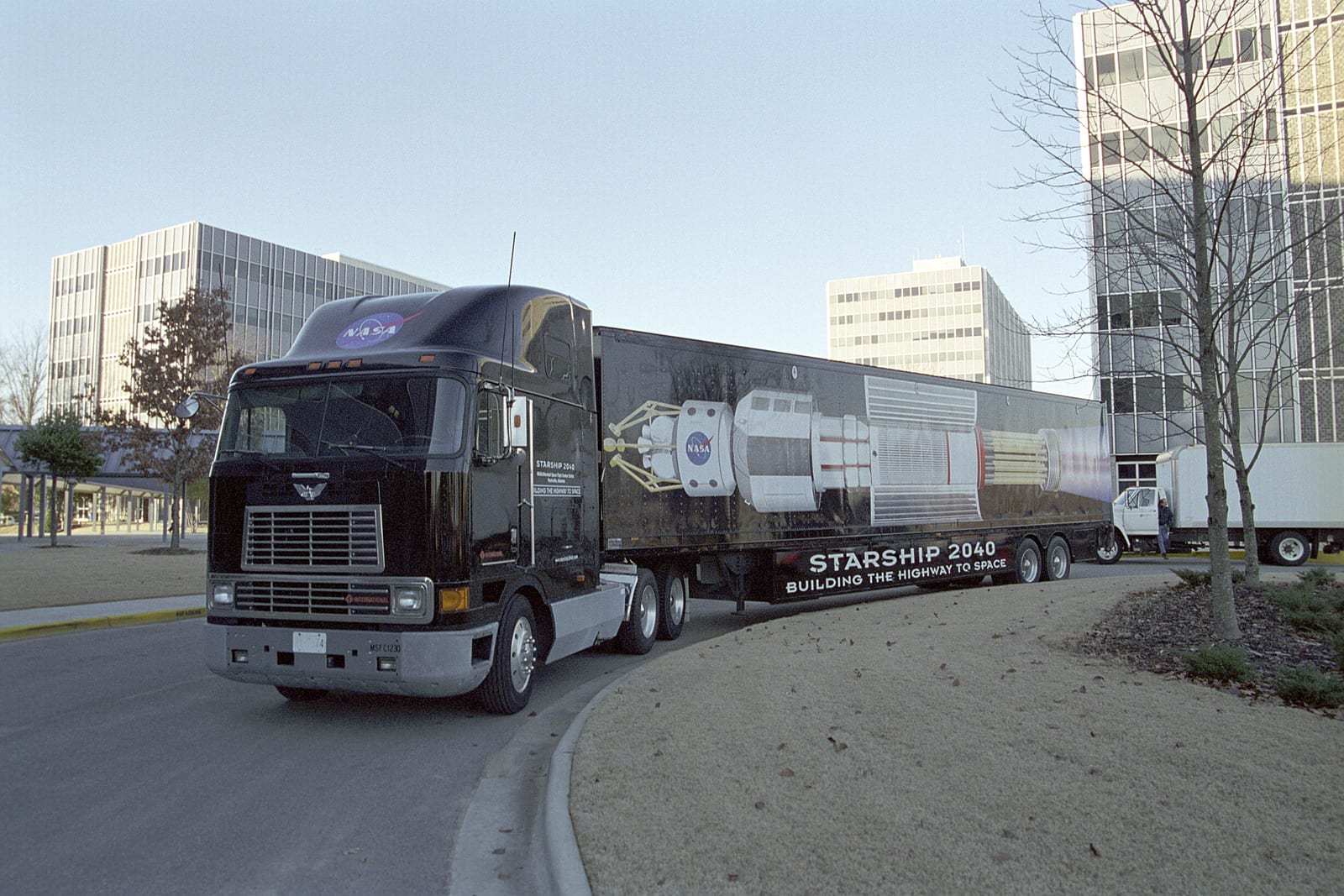
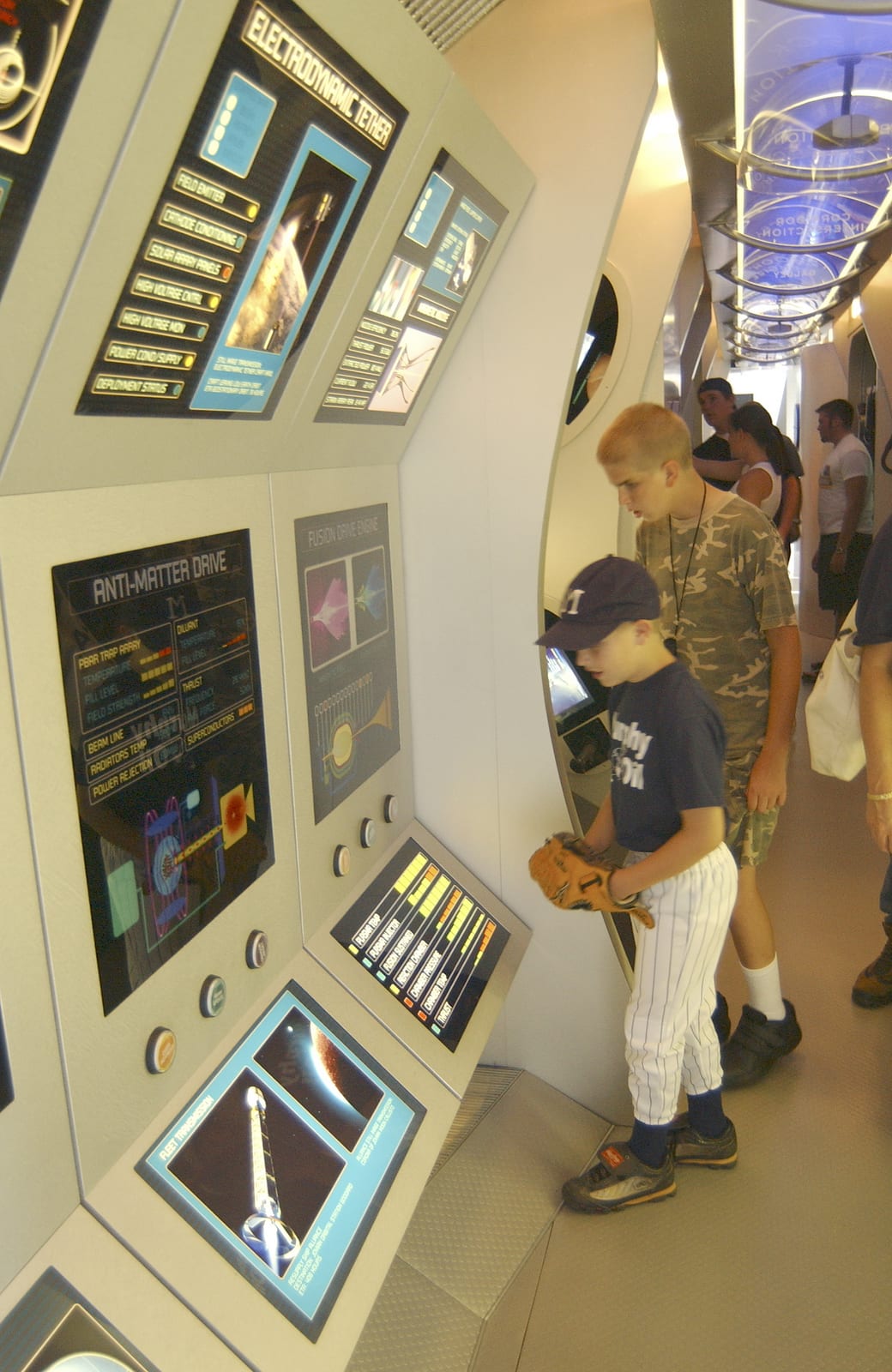
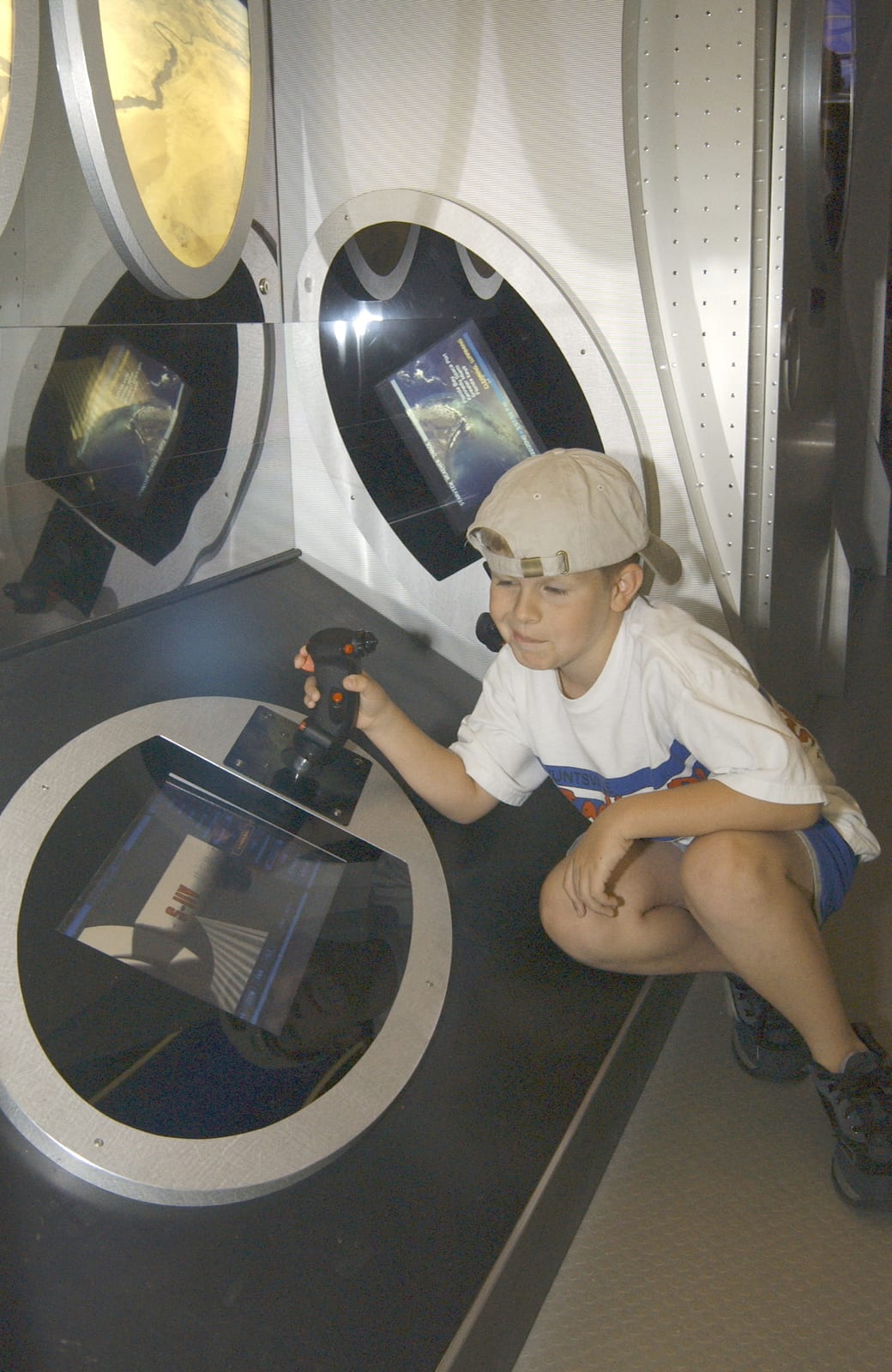
This photograph shows Justin Varnadore, son of a Marshall TV employee, at the controls of one of the many displays within the Starship 2040 exhibit on display at Joe Davis Stadium in Huntsville, Alabama.
2002
NASA/Marshall · NASA media (public domain)
Data
Scientific data & provenance
Data & provenance
- Stable ID
launch_vehicle:starship- Type
- Launch vehicle
- Domain
- Scientific connections
- Relationships
- 3
- Graph version
- 1.0.0
Dataset membership
Open data
In the graph export: graph.json · graph.jsonld
Planned API: GET /api/v0/entities/launch_vehicle:starship
Scientific quality
Partial3 of 7 applicable dimensions complete, 1 partial
- Description
- Complete
- Source coverage
- Partial
- Relationship coverage
- Complete
- Review coverage
- None
- Citation coverage
- None
- Image coverage
- Complete
- Timeline coverage
- None
Scientific entity. Dimensions that cannot apply to this object are excluded rather than counted as gaps. See the evidence framework and authority dashboard.
You might also explore
Sources & references
The primary and reference sources this topic draws on.
- NASANational Aeronautics and Space Administration
Mission data, planetary science, space telescopes, and public-domain imagery.
Most NASA-produced imagery is in the public domain; individual items are checked for usage terms before publication.